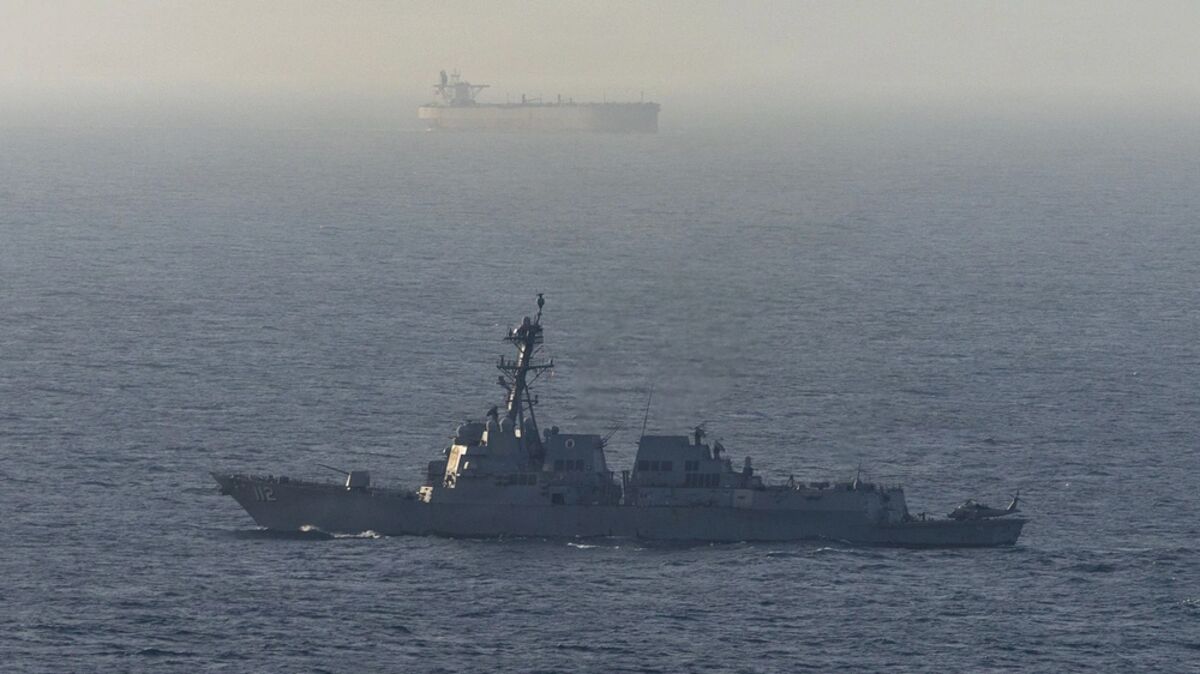
A Pakistani tanker carrying diesel from Kuwait is attempting an outbound transit through the Strait of Hormuz after repeated failed attempts, highlighting continued congestion and operational risk in the waterway. The vessel, Khairpur, is now veering south toward exit and is broadcasting Karachi as its destination with expected arrival on May 4. The report is largely factual, but any disruption in Hormuz can tighten regional energy and shipping conditions.
The key signal is not the tanker itself but the fact that a transit outside the usual stop-start pattern is even possible, which implies the market is still functioning at the margin despite elevated political noise. That matters because the strait’s real risk premium is now being set by micro-frictions: routing delays, insurance repricing, and who can actually secure a slot to move low-value barrels when scheduling becomes nonlinear. In the next 1-3 weeks, that tends to widen spreads first in regional refined products rather than in flat-price crude, because diesel is more sensitive to immediate delivery reliability than to headline supply counts. Second-order beneficiaries are non-Middle East product exporters and shipping/insurance intermediaries with clean compliance records, since every successful passage reinforces the idea that constrained but not closed logistics can still clear. The losers are import-dependent refiners and traders holding prompt barrels into a tight delivery window; they face higher working-capital needs and greater basis volatility even if benchmark oil barely moves. If routing remains cumbersome, the biggest P&L transfer is likely from spot logistics to those with fleet optionality and balance-sheet capacity to wait out delays. The contrarian view is that the market may be overpricing a binary closure risk while underpricing chronic friction. A partially open strait can be more damaging to end users than an outright shock if it forces persistent convoy-like uncertainty, encourages precautionary inventories, and keeps time-charter and marine insurance elevated for months. The reversal catalyst is not just de-escalation; it is evidence that multiple consecutive high-value transits clear without incident, which would compress the geopolitical premium faster than any headline statement.
AI-powered research, real-time alerts, and portfolio analytics for institutional investors.
Request DemoOverall Sentiment
neutral
Sentiment Score
-0.10
