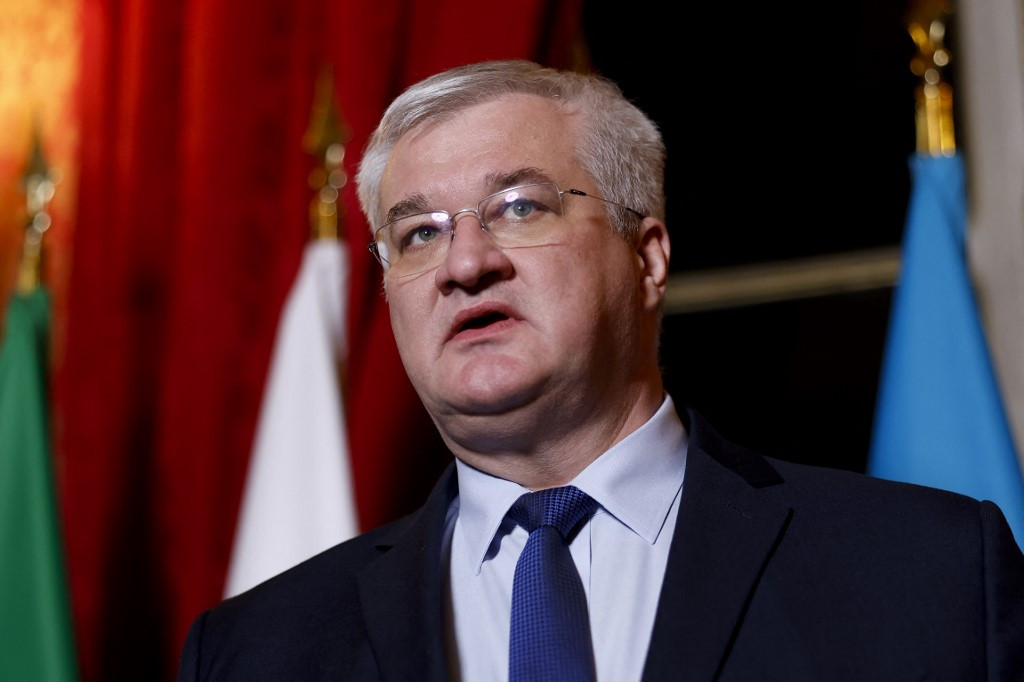
Ukraine said its front line has stabilized and air defenses are now intercepting up to 90% of incoming Russian drones, signaling a materially stronger battlefield position after winter. Foreign Minister Andrii Sybiha also pointed to intensified pressure on Moscow via long-range strikes, which President Zelensky said have cost Russia $7 billion this year so far. The comments suggest improving defense resilience and a more favorable negotiating posture as EU and NATO coordination continues.
The market implication is less about an immediate peace dividend and more about a regime shift in war sustainability. If Ukraine’s air-defense efficiency is genuinely near 90%, the marginal effectiveness of Russia’s low-cost drone campaign falls sharply, forcing Moscow toward more expensive munitions, fewer strike windows, and a higher burn rate per unit of damage. That changes the economics of the conflict in Ukraine’s favor over the next 1-3 quarters and raises the probability that Western aid converts into operational leverage rather than just attrition relief.
The second-order winner is Europe’s defense-industrial complex, not necessarily because new headlines arrive, but because the narrative moves from emergency replenishment to durable procurement. Interceptor demand, radar, command-and-control, and electronic warfare capacity should stay structurally tight even if front-line advances remain limited. The underappreciated loser is any energy/industrial supply chain tied to Russian refining and transport capacity: if Kyiv’s long-range pressure continues, disruptions can ripple into regional product balances and keep a floor under volatility in European diesel and freight-sensitive names.
The contrarian risk is that markets overprice a near-term diplomatic off-ramp. Higher confidence around Ukraine’s position can actually prolong the conflict if Moscow concludes it must negotiate from a worse baseline, which means headline optimism may coincide with more intense strikes before any settlement framework emerges. The key reversal catalyst is Western support fatigue or a pause in air-defense replenishment; because the current advantage is interceptor-intensive, any shortfall could quickly compress the 90% interception rate back toward the mid-60s/70s and reintroduce tail risk within weeks, not years.
AI-powered research, real-time alerts, and portfolio analytics for institutional investors.
Request DemoOverall Sentiment
mildly positive
Sentiment Score
0.45
Ticker Sentiment
