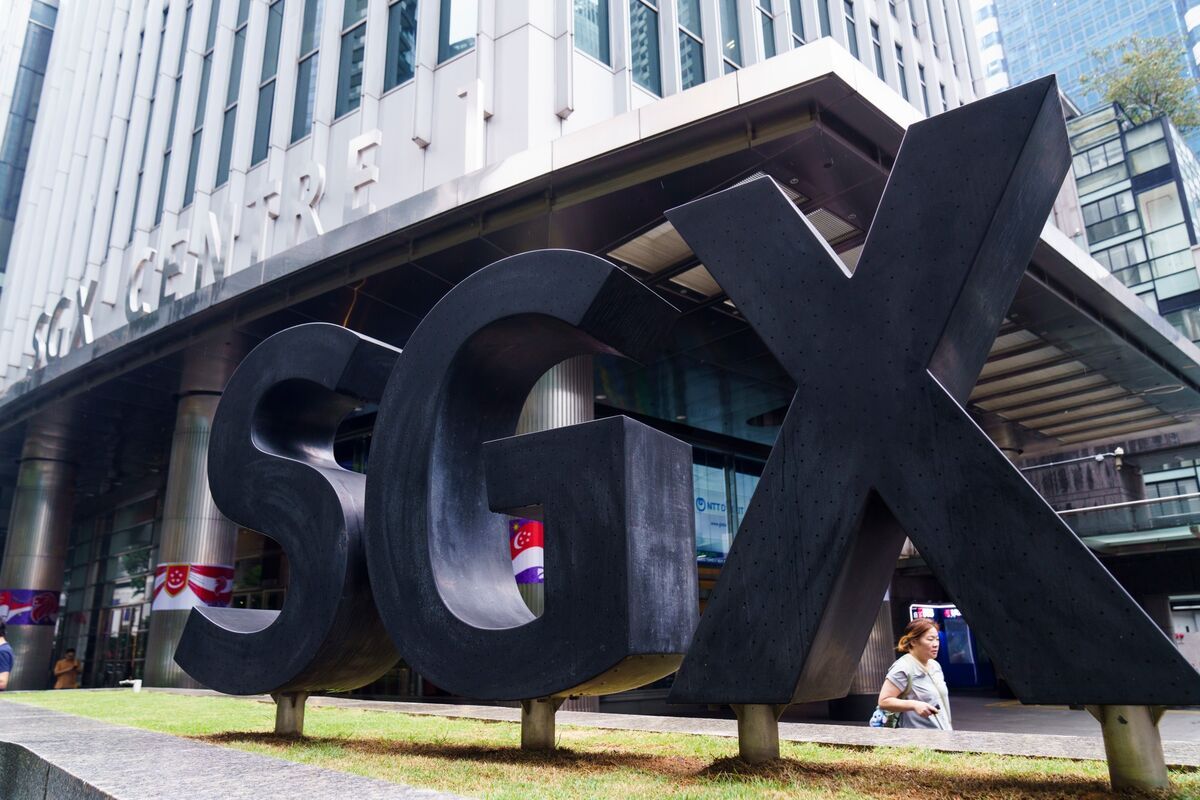
UltraGreen.ai priced its Singapore IPO at $1.45 per share, raising $400 million, and saw its shares jump as much as 12% on debut—the largest non-REIT listing in Singapore since 2017. UOB Kay Hian initiated coverage with a buy and $2 price target, forecasting annualized EPS growth of 22%, and the company said proceeds will fund product development, corporate purposes and strategic M&A to support global expansion. Anchor investors included Aberdeen Group and AIA Investment Management, with Citigroup and DBS arranging the deal, marking a notable boost to Singapore’s IPO activity this year.
Market structure: UltraGreen.ai’s $400m IPO and debut pop (up to +12%, IPO at $1.45) re‑energizes Singapore equity supply; expect increased issuance of mid‑cap healthcare names over next 6–12 months as banks (C, DBS) redeploy balance‑sheet capital into tech/medtech underwriting. Winners: investment banks, listed medtech suppliers, regional distributors; losers: smaller niche competitors in fluorescence imaging facing pricing pressure if UltraGreen scales globally. Average first‑day pop of 4.8% since 2020 implies modest short‑run upside but elevated volatility.
Risk assessment: Key tail risks are regulatory (failed CE/FDA approvals), reimbursement setbacks in major markets (US/EU/China) and execution risk on M&A spend—any one could wipe out >50% of valuation; liquidity risk exists post‑lockup if insiders sell. Immediates (days): IPO price discovery volatility; short‑term (weeks–months): guidance updates, partner contracts; long‑term (1–3 years): margin expansion and 22% EPS CAGR claim must materialize via pricing power and geography expansion. Hidden dependency: success relies on hospital purchasing cycles and distributor contracts—monitor backlog conversion rates.
Trade implications: Direct play: size a disciplined 2–3% long position in UltraGreen.ai (SGX listing ticker to be assigned) at <=$1.80, target $2.00 in 12 months, stop loss 20% (≈$1.16). Options: implement a 12‑month call spread (buy 1.45C, sell 2.50C) to cap premium outlay while retaining upside. Pair: long UltraGreen vs short iShares MSCI Singapore ETF (EWS) sized 2:1 to hedge market beta during first 3 months of secondary trading.
Contrarian angles: Consensus may overrate IPO halo—market may underprice integration and reimbursement friction; if UltraGreen misses one major EU/US approval or delays an acquisition integration by >6 months, re‑rate could be -40%+. Historical parallel: Medtech IPOs that scaled rapidly (eg Intuitive Surgical early 2000s) required multi‑year hospital adoption; failure to secure tier‑1 hospital pilots is a red flag. Action triggers: cut exposure if no material distributor contract or regulatory clearance within 90 days post‑IPO.
AI-powered research, real-time alerts, and portfolio analytics for institutional investors.
Request DemoOverall Sentiment
moderately positive
Sentiment Score
0.48
Ticker Sentiment
