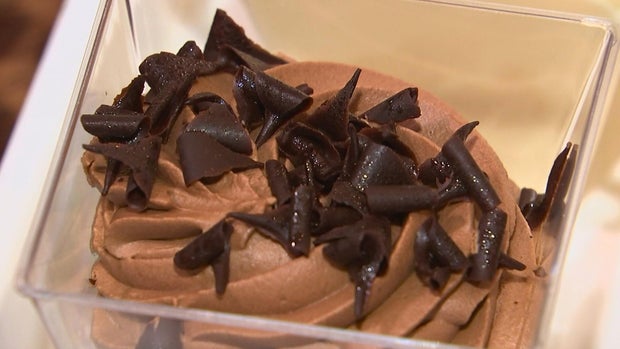
Delaware County businesses are preparing for an influx of nearly 250,000 visitors tied to the 2026 PGA Championship at Aronimink Golf Club. Local restaurants and cafes are highlighting expanded menus, bakery items, and golf-themed drinks to capture higher foot traffic and spending. The article points to a short-term boost for small businesses and hospitality demand, but with limited broader market impact.
The immediate beneficiaries are not the headline event itself, but the small set of local operators with the right mix of throughput, seating, and prep capacity to monetize a short, non-repeatable demand spike. The higher-margin opportunity is in categories that can absorb volume without proportionate labor creep: baked goods, breakfast/brunch, and bundled beverage add-ons. In practice, the event likely shifts mix more than top-line, which matters because fixed-cost leverage can make a 1-2 week surge disproportionately accretive for local independents and regional food distributors. Second-order effects should show up in labor and inventory, not just revenue. Expect temporary wage inflation for hourly hospitality workers, tighter demand for local produce/dairy/bread inputs, and a short-lived spillover to ride-share, convenience, and packaged snack suppliers as traffic and dwell times increase. Competitively, nearby casual dining and QSR names with weak brand differentiation may underperform if they cannot capture the premium “special occasion” spend that favors experiences and photo-friendly menu items. The risk is that this is a very short-duration catalyst: if weather, parking friction, or security constraints reduce local foot traffic, the spend may shift from sit-down dining to on-site concessions or disappear entirely. The market’s consensus likely overestimates the durability of any lift beyond the event window; the real test is whether businesses can convert one-time visitors into repeat customers over the next 30-90 days, which is where CRM, delivery, and loyalty economics matter more than the tournament week itself. There is also a broader consumer-sentiment read-through: premium and novelty items should outperform value-only offerings for the duration of the event, suggesting the consumer is still willing to trade up for experiences even in a mixed macro backdrop. That said, this is not a structural thesis for national restaurant equities unless similar event-driven demand is repeated across a calendar of catalysts. The trade is best viewed as a tactical local-demand pulse, not a re-rating event for the sector.
AI-powered research, real-time alerts, and portfolio analytics for institutional investors.
Request DemoOverall Sentiment
mildly positive
Sentiment Score
0.15
