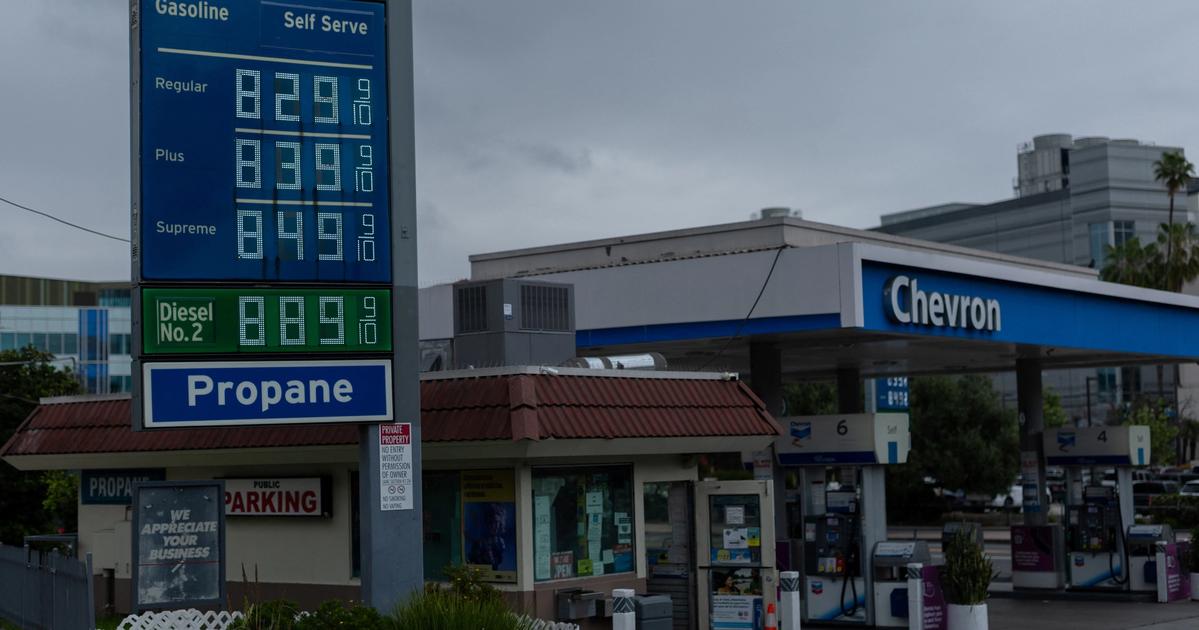
Inflation likely spiked in March after Iran-related closure of the Strait of Hormuz pushed gasoline prices higher, potentially producing the largest one-month CPI jump since 2022. Higher fuel costs have led airlines and delivery platforms (e.g., Amazon) to add surcharges and are coinciding with rising mortgage rates, increasing the risk of an economic slowdown. That scenario creates a Fed dilemma: cutting rates to support growth could rekindle inflation, implying policymakers may remain hawkish and markets could turn risk-off.
The incident created a short-duration risk premium in oil, shipping and air-freight that transmits to headline CPI through transport energy and passthrough surcharges; expect the pricing impulse to show up within 0–6 weeks in headline prints and retail receipts, then fade over 3–6 months absent sustained supply losses. Mechanically, freight and fuel surcharges act like a temporary tax on lower-income discretionary spenders and small sellers on marketplace platforms — this compresses demand elasticities and can shave 2–4% off monthly volumes for price‑sensitive categories before substitution occurs.
Second-order winners are players with crude-to-retail optionality: refiners/ductile midstream capture widened crack spreads almost immediately, while vertically integrated retailers with scale logistics (and hedged fuel books) can defend margins and selectively gain share. Losers are unhedged regional carriers, two‑day/last‑mile sellers (smaller merchants on marketplace platforms) and high‑duration growth names whose valuations assume falling yields; a persistent bump in yields would reprice multiples by 10–20% for names with >0.8 duration sensitivity within 3–9 months.
Key catalysts that will determine persistence are: (1) duration of Strait disruption and rerouting costs (days vs weeks), (2) visible inventory draws or refiner utilization changes over the next 4–8 weeks, and (3) Fed communications once core inflation prints show the shock’s pass‑through — a dovish pivot is the main reversal risk. Hedging through crude-call convexity and targeted put protection on rate‑sensitive longs is the simplest way to bridge the 1–3 month liquidity window while monitoring Brent, bunker premiums and CPI m/m readings as triggers.
AI-powered research, real-time alerts, and portfolio analytics for institutional investors.
Request DemoOverall Sentiment
moderately negative
Sentiment Score
-0.45
Ticker Sentiment
