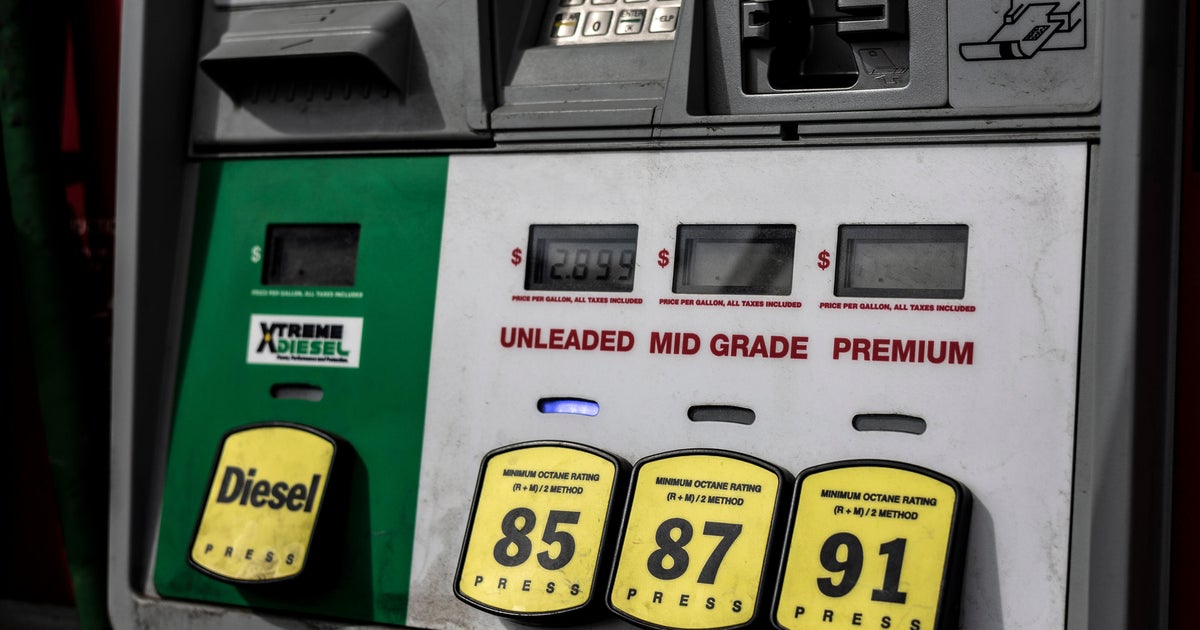
Colorado regulators received more than 200 complaints after contaminated fuel—reported to have been diesel shipped as regular unleaded from a Sinclair facility near Brighton—was sold at stations including Costco, Murphy Express and multiple King Soopers locations between 2 p.m. Wednesday and 6 a.m. Thursday. Mechanics warn affected vehicle owners face repair bills of roughly $1,000–$1,500 for tank drops and flushes, rising substantially if injectors or pumps are needed; state officials are directing consumers to contact the point-of-sale retailers and have provided a complaint line (303-866-4967). Regulators said fines are unlikely absent intent to defraud, and Sinclair and distributors are coordinating outreach while investigating the root cause.
Market structure: The immediate winners are local auto-repair shops and aftermarket parts retailers (e.g., ORLY, AZO) that will see incremental demand for fuel-system flushes and injector/pump replacements; convenience fuel retailers with stronger quality controls avoid reputational damage. Losers are the affected retailers (Costco/COST, Kroger/KR, Murphy-branded sites/MUSA) through out-of-pocket repair reimbursements, lost fuel margins and foot-traffic hits at specific sites; impact is concentrated — expect share moves in the 1–5% range on newsflow, not structural industry shock.
Risk assessment: Tail risks include a coordinated class-action or multi-state fines that could add $50–200M industry-wide of cost for a large supplier, or a supplier contract re-write that forces distributors to assume more liability. Immediate (days): elevated PR/volatility and call-put skew; short-term (weeks–months): margin pressure at affected retailers, insurance claims/indemnities clear up; long-term (quarters): limited — systemic supply-demand for gasoline unaffected unless investigation reveals wider operational failures.
Trade implications: Tactical plays include small, event-driven positions: buy 30–60 day put spreads on the supplier proxy (SBGI as a proxy for “Sinclair” risk) sized 0.5–1% NAV if implied volatility rises >20% and stock gaps down >3%; establish 1–3% longs in AZO/ORLY for 3–6 months to capture incremental parts/repair demand. Pair idea: long COST (buy-on- >2% dip to 2% position) vs short MUSA or KR (0.5–1% each) if retailer confirmations exceed 10 listed sites, targeting mean reversion in 4–12 weeks.
Contrarian view: The consensus overstates persistence — contamination events historically inflict acute reputational pain that fades in 4–12 weeks once lists, reimbursements and recalls are executed; a COST drop >2% creates a buying opportunity because Costco’s fuel is a small proportion of revenue (<5%) and litigation/fine tail is low per regulators’ comments. Watch for regulatory escalation (multi-state coordination) which would invalidate this contrarian stance and justify larger shorts.
AI-powered research, real-time alerts, and portfolio analytics for institutional investors.
Request DemoOverall Sentiment
moderately negative
Sentiment Score
-0.45
Ticker Sentiment
