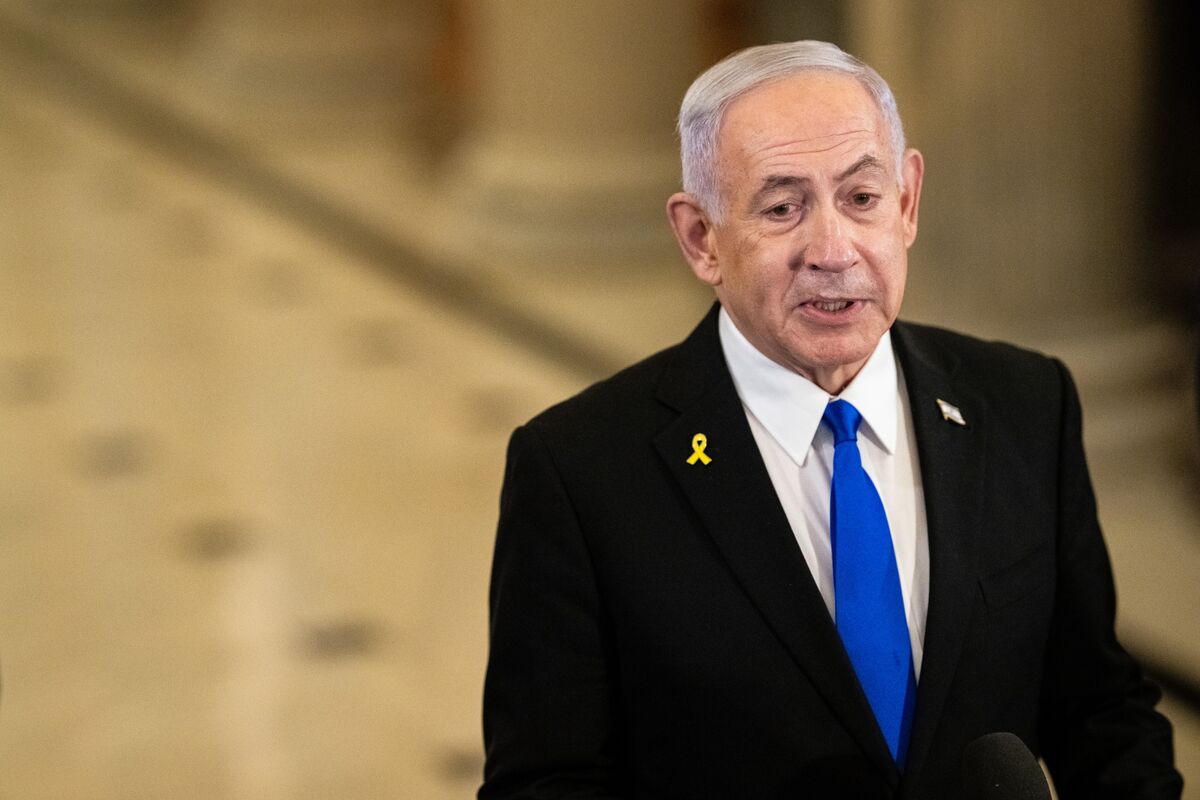
Prime Minister Benjamin Netanyahu's coalition has lost its parliamentary majority, now holding just 50 seats, following the withdrawal of the ultra-Orthodox Shas party (11 members) over a contentious bill to reduce religious exemptions from military service. This development leaves the Israeli government short of the 61-seat threshold, signaling heightened political instability.
The Israeli government's loss of its parliamentary majority introduces significant political instability and policy uncertainty. Prime Minister Netanyahu's coalition now commands only 50 seats, falling 11 short of the 61 required for a functional majority, following the departure of the Shas party over a legislative dispute on military service exemptions. This development severely compromises the government's ability to pass legislation, including potentially critical economic and fiscal policies. The resulting political gridlock elevates country-specific risk for Israel-exposed assets, increases the likelihood of snap elections, and is likely to weigh on investor sentiment until a stable governing coalition can be formed.
AI-powered research, real-time alerts, and portfolio analytics for institutional investors.
Request DemoOverall Sentiment
moderately negative
Sentiment Score
-0.50
