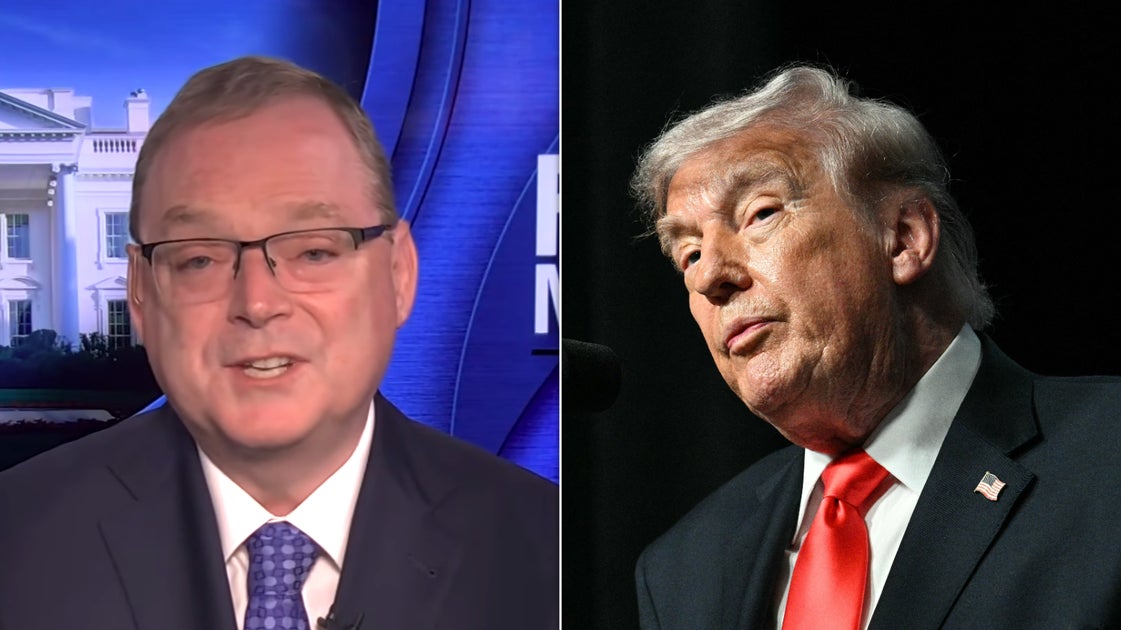
Spirit Airlines ceased operations on Saturday after citing sky-high jet fuel prices linked to President Trump’s war on Iran, highlighting acute pressure on airline margins from the energy shock. White House adviser Kevin Hassett said Spirit had already been in Chapter 11 twice and lacked a viable business model, while Transportation Secretary Sean Duffy said the carrier was in dire straits long before the conflict. The episode underscores geopolitical-driven fuel volatility for airlines and the broader risk to travel-sector profitability.
The immediate market read is not “one airline failed,” but that the shock transmission from geopolitics to consumer transport is now being debated in public before the full P&L impact has shown up. That matters because airlines, logistics, and leisure names trade on forward earnings confidence; once management teams start talking about fuel hedging quality as a competitive moat, the market will begin to re-rate balance-sheet strength and liquidity over headline traffic trends. In practice, this should widen dispersion: better-capitalized carriers with disciplined fuel coverage can preserve margins for 1-2 quarters, while weaker operators face a much faster path from margin compression to covenant stress.
The second-order effect is on pricing power and capacity discipline. A financially distressed low-cost carrier exiting the market reduces seat supply in the most price-sensitive segments, which can lift yields for incumbents even as fuel costs bite. That means the worst outcome is not necessarily for the strongest airlines, but for adjacent beneficiaries like OTAs, leisure hotels, and airport-adjacent service firms that were relying on ultra-low-fare demand elasticity; they may see softer bookings before they see any offset from reduced competition.
The bigger macro risk is duration. If jet fuel stays elevated for more than a single quarter, the market stops treating this as an idiosyncratic airline issue and starts discounting broader consumer travel demand, especially among lower-income leisure travelers. The contrarian point is that the panic may be overstated near term: a one-time fuel shock is manageable for well-hedged carriers, and the policy noise around rescue/liquidation can create tradable overshoots before fundamentals fully reset.
AI-powered research, real-time alerts, and portfolio analytics for institutional investors.
Request DemoOverall Sentiment
strongly negative
Sentiment Score
-0.58
