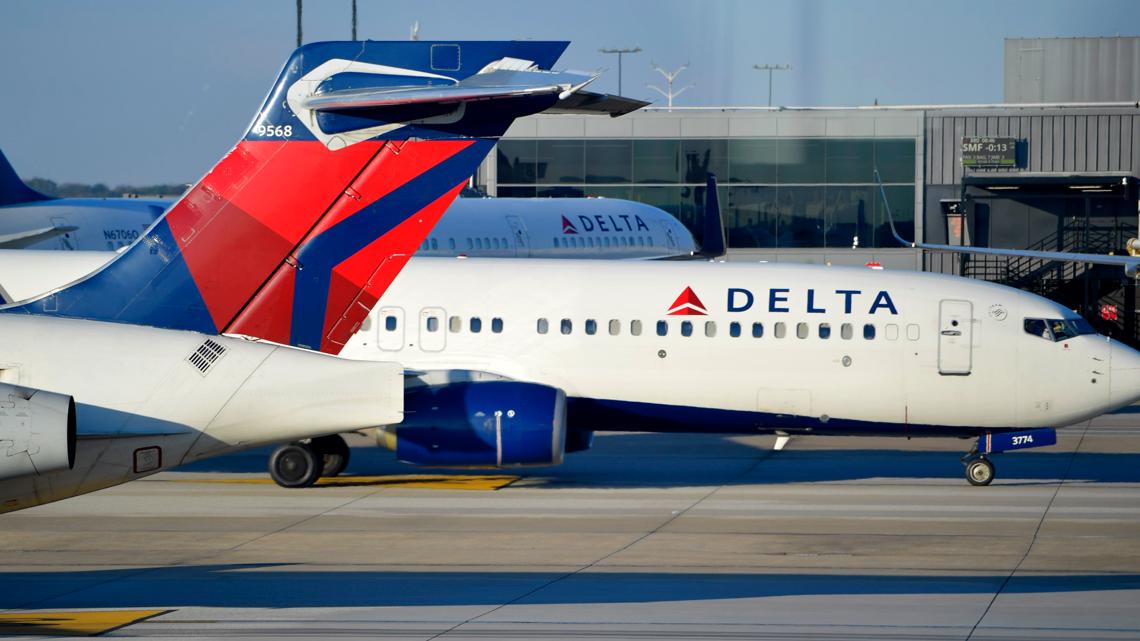
Delta is raising checked-baggage fees by $10 for first and second bags and $50 for a third, bringing fees to $45, $55 and $200 respectively on most domestic and short-haul international routes effective Wednesday. CEO Ed Bastian said higher jet fuel linked to the Middle East conflict has added roughly $400M to Delta’s operating expenses since Feb. 28; U.S. jet fuel averaged $4.69/gal vs $2.50/gal pre-conflict. Long-haul international fees are unchanged, and Delta maintains complimentary bags for premium cabin flyers, military, eligible co-branded cardholders and top loyalty tiers. United, JetBlue and other carriers have made similar moves, indicating broader sector pressure and increased reliance on ancillary fees to offset fuel-driven cost increases.
Airlines are shifting the margin mix toward ancillaries and away from base fares, which amplifies the advantage of carriers with deeper loyalty programs, co‑brand relationships and higher premium mix. Those carriers can raise ancillary pricing with limited immediate unit‑demand loss while preserving load factors in corporate and premium leisure buckets; weaker loyalty franchises will see higher elasticity and quicker revenue bleed.
Second‑order operational effects matter: higher checked‑bag prices will likely increase carry‑on volumes and gate crowding, raising turnaround friction and softening aircraft utilization gains — a multi‑month headwind to CASM ex‑fuel if staffing and on‑time performance degrade. Conversely, banks and card issuers that monetize waived fees via co‑brand agreements gain bargaining power; expect incremental fee revenue to be shared via higher card breakage and retention metrics.
Key catalysts over the next 0–90 days are fuel price trajectory and any regulatory/political scrutiny of ancillary pricing; 3–9 months is when unit revenues and cost saves (or conversely, operational friction) fully flow through to reported CASM and margins. A rapid easing of crude or a durable drop in travel demand would reverse the current repricing and favor fare-led rather than ancillary‑led revenue strategies, flipping the relative winners and losers quickly.
AI-powered research, real-time alerts, and portfolio analytics for institutional investors.
Overall Sentiment
mildly negative
Sentiment Score
-0.15
Ticker Sentiment
