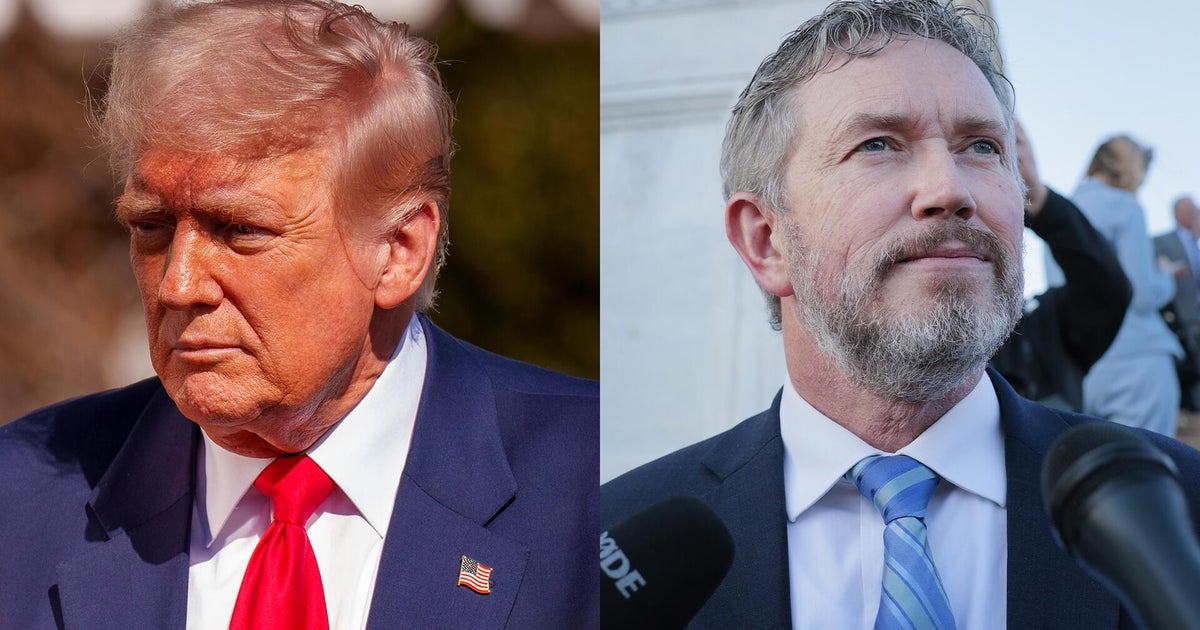
Rep. Thomas Massie says he expects to win Tuesday's Kentucky 4th District primary against Trump-endorsed challenger Ed Gallrein, calling it a near 50-50 race. The contest has drawn unusual attention from President Trump, Defense Secretary Pete Hegseth, and pro-Israel groups spending heavily on behalf of Gallrein, making it a referendum on Israel-related foreign policy and party discipline. The article is politically significant but has limited direct market impact.
The market signal here is not about one House seat; it’s about the current maximum leverage of Trump-backed primaries on the GOP coalition. That leverage appears strongest where the electorate is highly engaged and ideological, but it is not costless: each intervention forces donors, defense/foreign-policy hawks, and local incumbents to choose sides, increasing fragmentation risk for the party’s 2026 fundraising apparatus. The more Trump uses national figures to police down-ballot loyalty, the more he turns relatively cheap primaries into expensive proxy battles that can drain resources from competitive general-election districts.
The second-order effect is on defense and foreign-policy alignment inside the GOP. If anti-intervention members can survive high-profile challenges, it raises the probability of a longer-term intraparty “permission structure” for restraint on Iran and Israel aid, which would matter for defense contractors with exposure to supplemental spending and munitions replenishment. Conversely, if the challenge succeeds, it signals that the party’s median position is shifting further toward unconditional alignment, which reduces policy uncertainty but increases headline risk around escalation and appropriations volatility.
The near-term catalyst is binary and local, but the portfolio-relevant consequences unfold over months: donor flows, committee assignments, and how aggressively GOP members will break with leadership on foreign aid and war powers. The tail risk is not the primary itself; it’s that a Trump win here emboldens more intraparty purges, making legislative bargaining more brittle and raising the odds of stop-start funding fights in the next budget cycle. The contrarian view is that the anti-Israel-aid lane may be more durable than consensus expects because it can be framed as fiscal conservatism rather than ideology, giving it a cross-faction appeal if debt/deficit concerns intensify.
AI-powered research, real-time alerts, and portfolio analytics for institutional investors.
Request DemoOverall Sentiment
neutral
Sentiment Score
0.00
