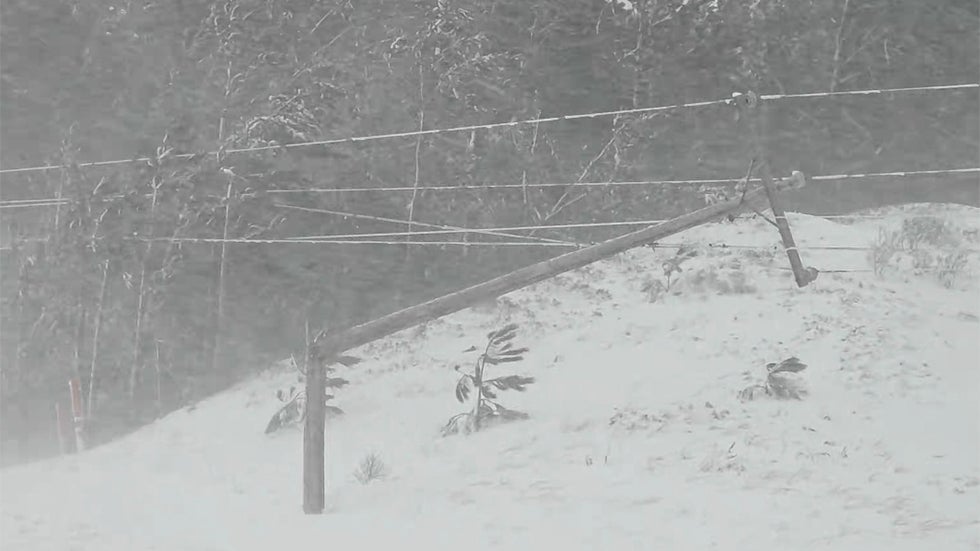
A powerful winter storm (named Ezra) pummeled the U.S. Midwest and pushed into the Northeast, leaving more than 120,000 customers without power (nearly half in Michigan) and over 20,000 outages in New York; Marquette, MI saw as much as 24 inches of snow. The storm produced widespread multi-vehicle crashes and long highway closures — including 25 separate crashes on I-75 in Detroit and a 14-vehicle pileup on I-35 in northern Iowa that closed roughly 100 miles of road — and prompted Minnesota’s governor to authorize National Guard support. The event poses near-term risks to regional transportation, logistics and local power infrastructure, and could lift short-term energy demand and operational disruptions for affected utilities and supply chains.
Market structure: Short-term winners are natural-gas suppliers and spot power generators (MISO/PJM) plus rental & snow‑removal services; losers are regional airlines, ground logistics and any businesses with time‑sensitive supply chains. Expect localized spot electricity and heating‑fuel prices to spike (double‑digit percentage moves regionally) for days–weeks; trucking and emergency contractors will command pricing power while gateways (I‑35, I‑75) impose throughput constraints.
Risk assessment: Tail risks include multi‑week outages that force industrial curtailments, large insurance loss accruals, and state/regulatory inquiries into grid resilience that could trigger accelerated utility capex or rate freezes. Time horizons: immediate (0–14 days) travel & price shock; short (1–3 months) insurance reserve and utility restoration costs become visible; medium (3–18 months) potential structural capex upside to grid/equipment suppliers.
Trade implications: Use tactical commodity exposure to natural gas (expect 5–20% rally in 2–6 weeks if cold persists) and take short, high‑conviction positions in passenger airlines and regionals into the first full‑week after the storm. Favor industrial service names (equipment rental, emergency construction) and grid‑hardware suppliers that win storm repair contracts, and avoid/short names with high regional revenue concentration in the footprint affected.
Contrarian angles: Consensus will focus on a quick mean reversion in prices and travel; that understates a possible persistent policy/capex leg higher for grid resilience which benefits ETN/industrial suppliers over 6–18 months. Airline selloffs may be overdone if cancellations clear in 7–14 days; conversely insurers could underprice future premium increases which benefits reinsurers and specialty contractors long term.
AI-powered research, real-time alerts, and portfolio analytics for institutional investors.
Request DemoOverall Sentiment
mildly negative
Sentiment Score
-0.25
