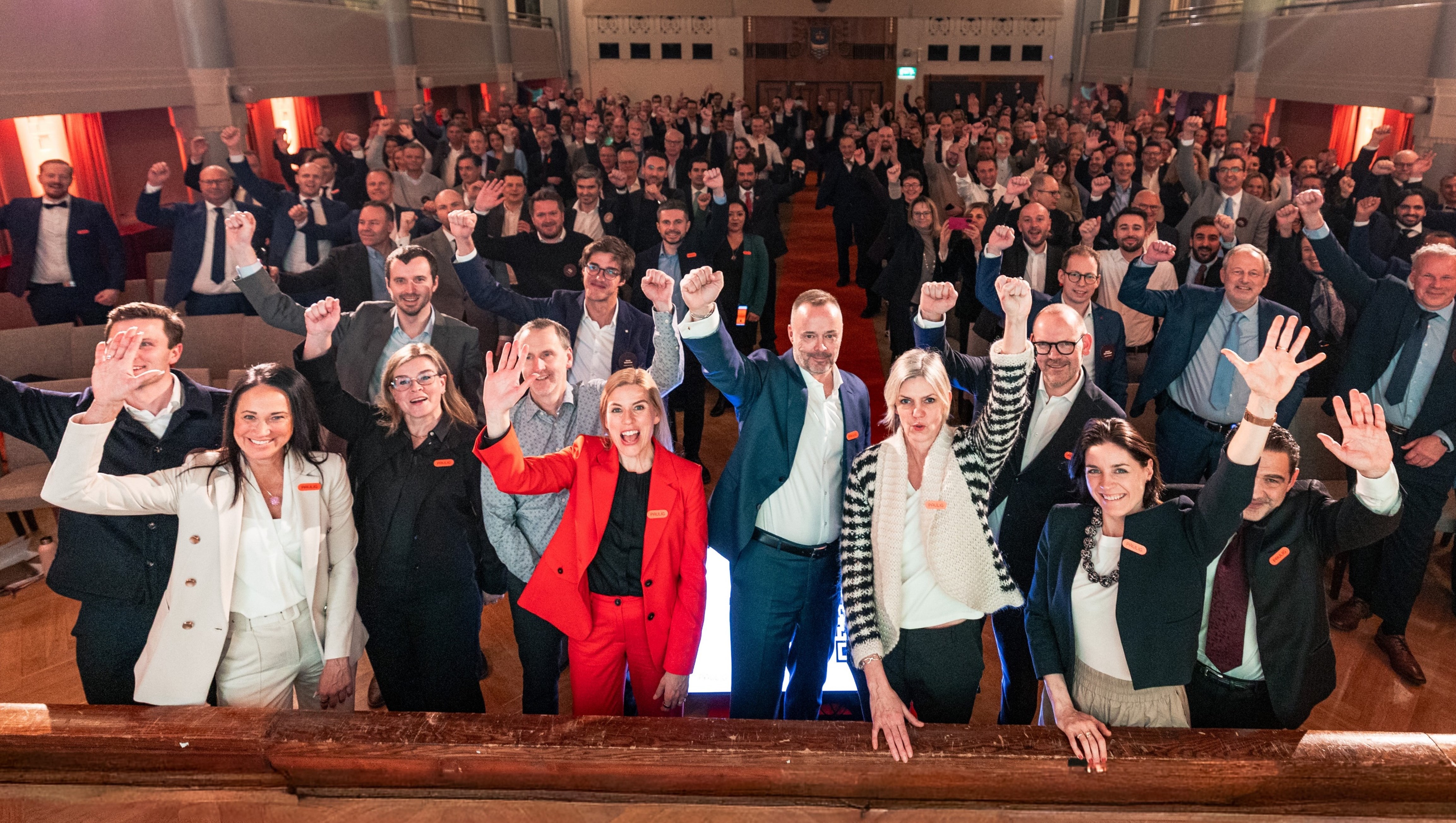
On January 22 Paulig convened its largest-ever Supplier Forum in Helsinki with over 160 global suppliers, focusing on supply-chain sustainability, transparency and climate-related challenges and recognizing top-performing partners. Framed within Paulig's 150th anniversary, management emphasized long-term, mutually beneficial supplier relationships to strengthen product quality, sourcing diversity and ESG credentials — initiatives likely to improve operational resilience and brand value over time but with limited immediate market-moving financial impact.
Market structure: Large branded food & beverage firms (global coffee roasters, Nestlé/Starbucks-class) and logistics/traceability providers are the primary beneficiaries — they can absorb certification costs, extract 5–15% price premiums on premium SKUs, and consolidate supply chains. Losers are small/mid‑cap commodity processors and private‑label manufacturers with thin margins who face ~3–7% margin compression from supplier premiuming and higher inventory/transport costs. Cross‑asset: expect incremental green/ESG bond issuance (raising corporate debt supply) and upward pressure on specialty coffee futures (ICE KC) by 10–25% over 6–12 months; EM FX of key sourcing countries (BRL, COP, GHS) will be increasingly tied to commodity flows and certification payments.
Risk assessment: Tail risks include regulatory mandates (EU/US traceability laws) that could force immediate capex increases, and climate shocks (Brazil frost/drought) that can spike Arabica prices >30% in 3 months. Immediate (days) effects are limited signaling; short term (weeks–months) expect increased RFPs and supplier audits; long term (quarters–years) structural capex and supplier consolidation. Hidden dependencies: retailer pass‑through elasticity — if consumers resist price increases, branded firms eating certification costs could see margins fall 200–500 bps. Catalysts: EU legislation, major climate events, or a large CPG announcing supplier guarantees.
Trade implications: Favor equities of global branded players with traceability programs (SBUX, NSRGY) and logistics integrators (UPS, FDX) — they gain pricing power and freight volumes; buy calls on ICE Arabica (KC) to capture specialty premium inflation. Pair trades: long branded staples (SBUX/NSRGY) vs short smaller packagers without direct sourcing (select small caps) to exploit scale gaps. Options: implement 6–12 month call spreads on KC sized 0.5–1% NAV to limit premium while targeting 20%+ spot moves.
Contrarian angles: The market underestimates that sustainability programs create long‑run pricing power — initial margin drag (12–24 months) can flip to 100–300 bps margin expansion over 3–5 years as certified SKUs command loyalty. Historical parallel: Fair Trade/organic adoption produced multi‑year price premiums and category consolidation; expect similar 2–5 year structural effects. Unintended consequence: accelerated supplier consolidation raises counterparty concentration risk for buyers — monitor top‑5 supplier share rising above 40% as a red flag.
AI-powered research, real-time alerts, and portfolio analytics for institutional investors.
Request DemoOverall Sentiment
moderately positive
Sentiment Score
0.45
