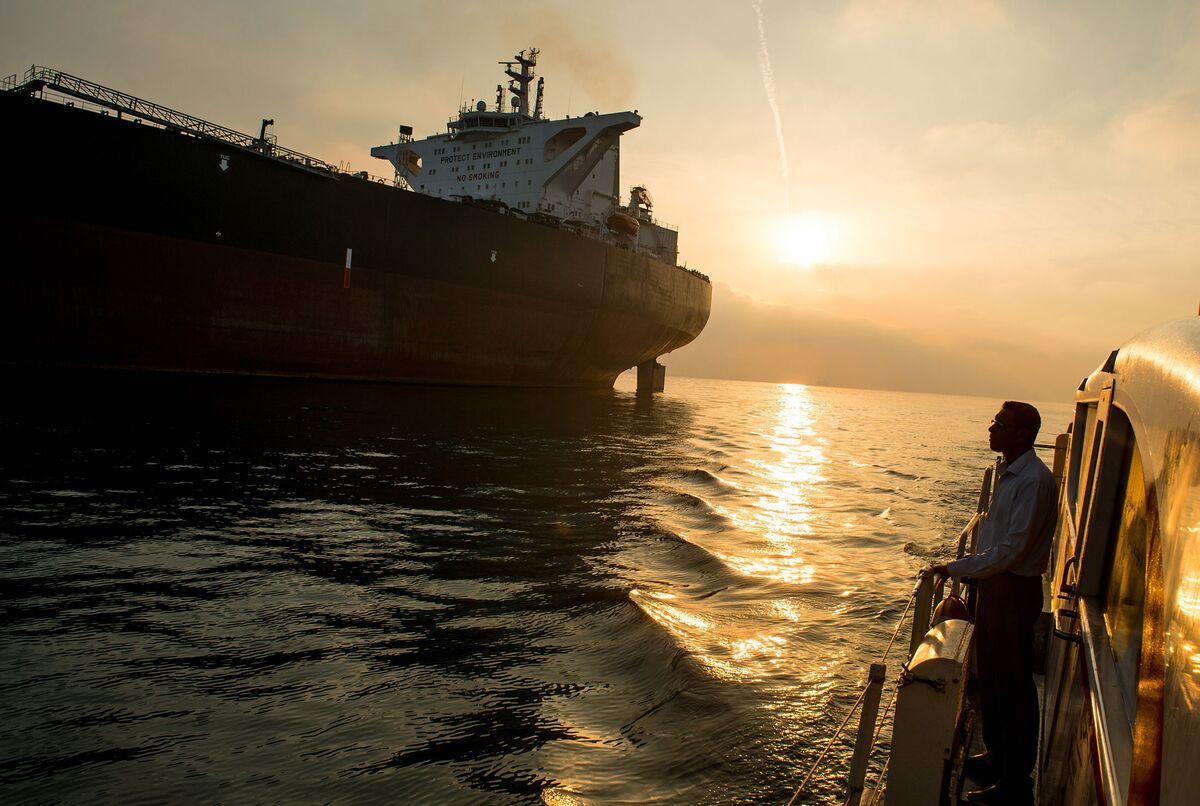
Oil tanker owners and managers are pausing vessel offers for Middle Eastern routes following the escalation of the conflict between Israel and Iran, raising concerns about potential disruptions to crude oil and fuel exports from the Persian Gulf. Shipbrokers and charterers report a decrease in available vessels for booking, while some owners are declining to finalize provisional charters, reflecting increased risk aversion in the shipping market due to geopolitical tensions.
The escalating conflict between Israel and Iran has led some oil tanker owners and managers to suspend offerings of their vessels for Middle Eastern routes since Friday, signaling significant risk aversion in the maritime sector. This operational pause is creating tangible concerns over potential disruptions to crude oil and fuel export flows from the critical Persian Gulf region. Reports from shipbrokers and charterers indicate a scarcity of available ships for booking, and some owners are choosing not to finalize provisional charters agreed upon before the weekend. This reluctance directly impacts the logistics of energy supply, potentially constricting availability and increasing uncertainty. The prevailing market sentiment is strongly negative, with a risk-off tone and a high market impact score of 0.7, reflecting the serious implications for energy markets, commodity prices, and transportation logistics due to geopolitical instability.
AI-powered research, real-time alerts, and portfolio analytics for institutional investors.
Request DemoOverall Sentiment
strongly negative
Sentiment Score
-0.70
