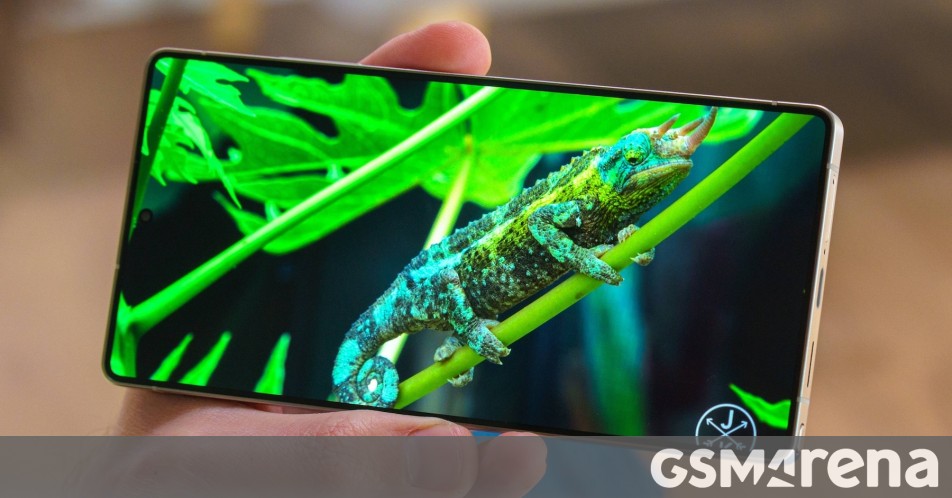
Leaks indicate the Samsung Galaxy S26 Ultra may ship next month with a new-generation 'high-strength' Gorilla Glass and a rumored Privacy Display, building on anti-reflective coatings introduced on recent Ultra models. The combination could reduce or eliminate the need for matte, privacy or tempered-glass screen protectors, a consumer-facing enhancement that is unlikely to meaningfully affect near-term financials but could modestly impact accessory demand if confirmed.
Market structure: The immediate winners are specialized glass suppliers (primarily Corning, ticker GLW) and tier-1 display OEMs (Samsung Electronics, SSNLF/005930.KS and Samsung Display suppliers) as a marginal feature upgrade that can command premium positioning for the S26 Ultra. Losers include accessory makers (e.g., ZAGG, ticker ZAGG) and low-margin tempered-glass players who could see 10–30% localized revenue erosion over 12–24 months if adoption is broad. Competitive dynamics: Differentiation via durability/privacy nudges incremental pricing power for Samsung at the ~$1,300–1,650 price points but is unlikely to move overall ASPs >3–5% across the market; share shifts will be incremental and concentrated in the premium segment. Supply/demand & cross-asset: Expect a modest ~1–3% demand bump for ultra-durable glass from suppliers, negligible commodity impact, small equities re-rating potential, and short-term options volatility around launch and supplier earnings; FX/bond impacts immaterial outside Korea/US supplier sentiment moves.
Risk assessment: Tail risks include production defects/recalls that could force write-downs and channel pushback (low-probability, high-impact) and a consumer backlash if privacy coating degrades clarity causing negative reviews and returns within 0–3 months post-launch. Time horizons: immediate (days) = rumor-driven price moves; short-term (weeks–months) = launch/teardown and supplier bookings; long-term (quarters–years) = accessory revenue structural decline if protection becomes unnecessary. Hidden dependencies include carrier insurance/warranty behavior and third-party protector substitution; catalysts include official launch next month, teardown reports within 1–2 weeks after release, and Corning quarterly guidance.
Trade implications & contrarian: Take small, tactical positions — favor GLW exposure via 1–2% portfolio longs or 3-month call spreads into the next earnings/catalyst window; consider pair trades long GLW / short ZAGG (size 0.5–1% each) to express durable-glass adoption vs accessory erosion. Use 1–3 month options to capture event-driven upside: buy GLW 3-month call spreads sized to cap max loss at ~1% portfolio, and consider protective puts on ZAGG if initiating a short. Contrarian: The market may overestimate accessory revenue loss — historical Gorilla Glass rollouts did not eliminate protectors; if tear-downs show no substantive manufacturing lead for Corning, be ready to unwind within 2–4 weeks. Exit rules: trim positions if GLW guidance does not rise by >=5% within two quarters or if teardown shows inferior optical performance causing >5% negative revision in sell-side notes.
AI-powered research, real-time alerts, and portfolio analytics for institutional investors.
Request DemoOverall Sentiment
neutral
Sentiment Score
0.00
