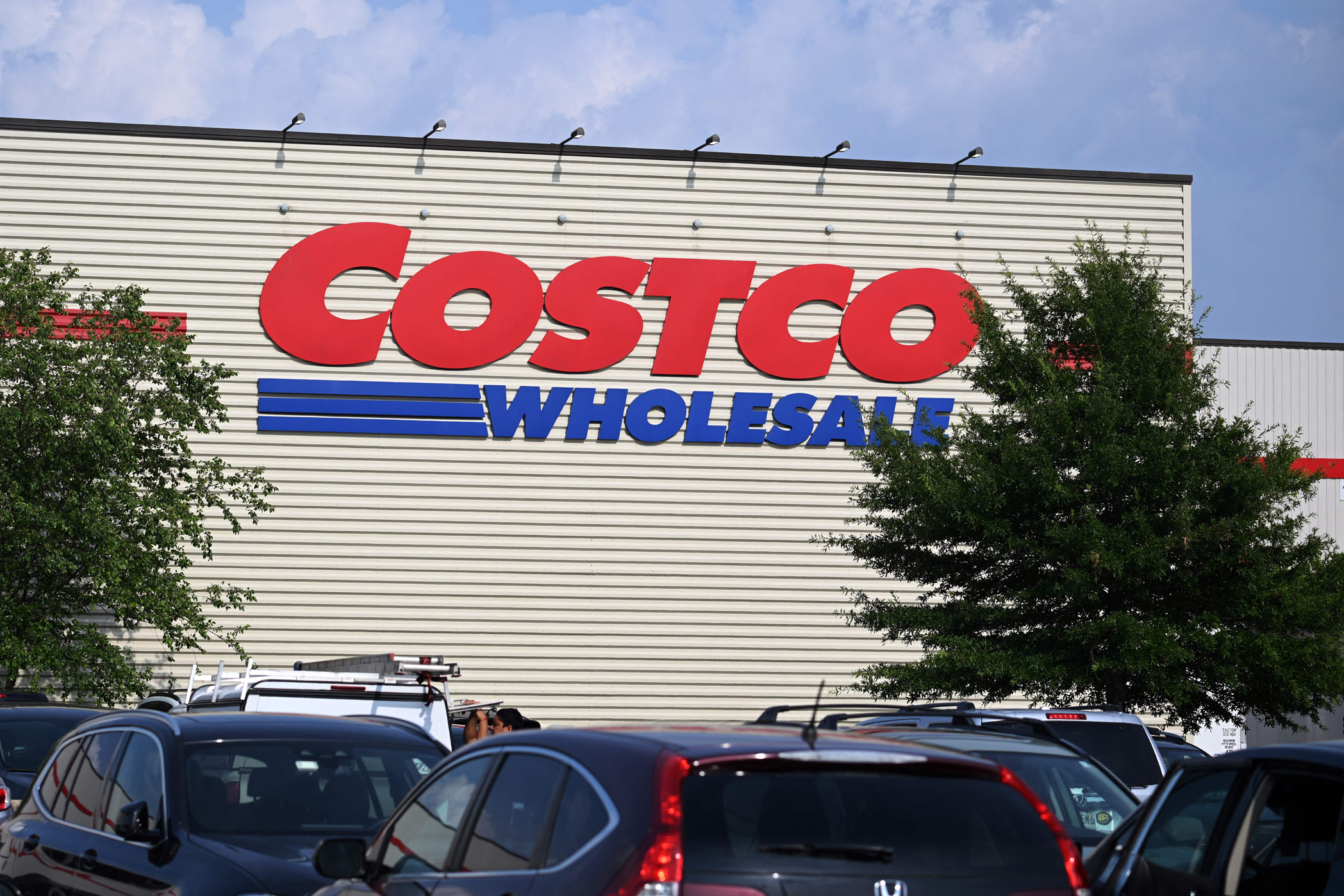
Costco Wholesale's stock has remained largely flat year-to-date, underperforming the S&P 500, despite the company reporting robust results in its latest quarter, with sales up 8.1%, comparable sales up 5.7%, and e-commerce growing 13.6%. The membership-driven model continues to fuel growth, evidenced by a 6.3% increase in paid memberships to 81 million and a 9.3% rise in executive members, who contribute 74.2% of sales. Although global renewal rates slightly dipped to 89.8% due to online sign-ups, Costco is strategically evolving its digital offerings and enhancing executive member benefits. While trading at a high P/E of 50, reflecting market confidence in its consistent growth, the company is positioned as a reliable long-term investment.
Costco Wholesale (COST) has significantly underperformed the S&P 500 year-to-date, with its stock remaining flat against the index's 18% gain, despite robust operational results. In its fiscal fourth quarter (ended Aug. 31), the company reported an 8.1% year-over-year sales increase and 5.7% comparable sales growth. This divergence suggests market pressure unrelated to fundamental performance, potentially due to its elevated valuation.
The core membership model continues to drive strong performance, with paid memberships rising 6.3% to 81 million and executive members increasing 9.3%. Executive members now constitute 47.5% of the total and contribute a substantial 74.2% of sales, highlighting their critical role in revenue generation. E-commerce also remains a strong growth driver, up 13.6%, focusing on bulky items and specialized services.
Costco is strategically adapting to evolving retail dynamics, addressing a slight dip in global renewal rates to 89.8% by targeting younger, online sign-up customers with improved digital engagement and new executive member benefits. Despite its consistent performance, COST trades at a P/E ratio of 50, reflecting market confidence in its reliability but also indicating a premium valuation. This positions it as a reliable long-term investment, though potentially less attractive for investors seeking higher short-term growth.
AI-powered research, real-time alerts, and portfolio analytics for institutional investors.
Overall Sentiment
strongly positive
Sentiment Score
0.70
Ticker Sentiment
