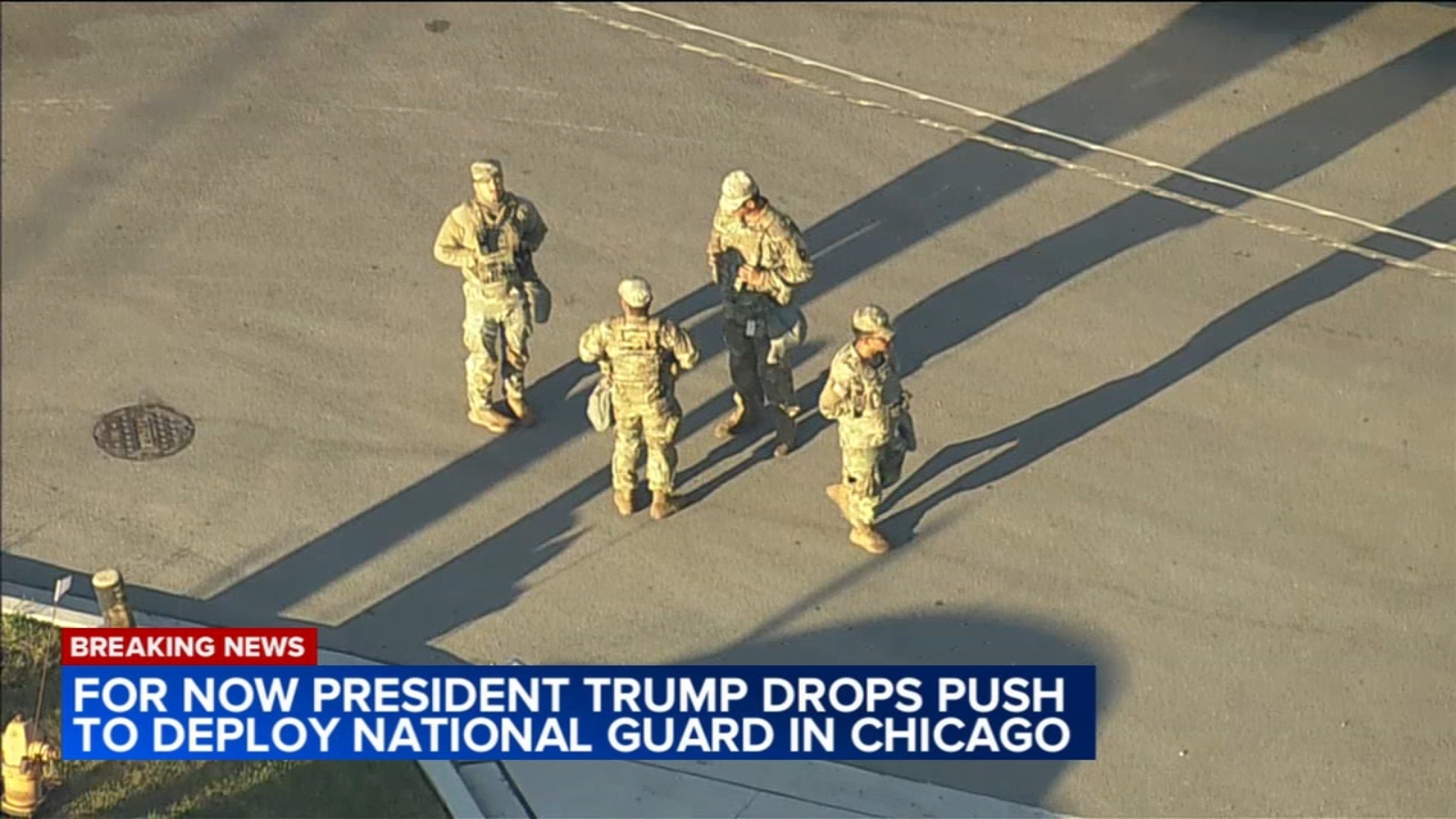
The Supreme Court refused the Trump administration's emergency request to overturn a district court injunction blocking deployment of federalized National Guard troops in the Chicago area, prompting the White House to withdraw plans to deploy forces to Chicago, Portland and Los Angeles for now. The order is preliminary — three justices dissented — and follows related injunctions in Oregon and California; roughly 200 Texas guardsmen were sent home and over 2,200 troops remain in Washington, D.C., with about 300 in Los Angeles prior to earlier reductions. The decision increases legal and political risk around federal use of military forces in Democratic-led cities and is likely to shape numerous pending and future challenges to similar deployments.
Market structure: The Supreme Court rebuke reduces an incremental source of political/legal volatility in Democratic-led cities, favoring municipal credit and local services over federal-security providers. Expect a 10–20 bps compression in Chicago/Illinois muni spreads vs. national munis over 1–3 months if no further federal action materializes, while short-lived demand for private domestic-security goods softens. Defensive/defense equities tied to domestic law‑enforcement deployments see limited negative impact; national defense budgets remain largely intact.
Risk assessment: Tail risks include an administrative escalation (emergency appeals, alternative federal tactics) that could re-introduce volatility across local credit and security names; probability ~15% over 3 months but high impact. Immediately (days) market moves should be muted; short-term (weeks) muni spreads may react; long-term (quarters) the legal precedent constrains future federal domestic deployments, lowering policy uncertainty for city budgets. Hidden dependency: state-level political reactions could shift spending to local law-enforcement or social services, affecting municipal fiscal trajectories.
Trade implications: Tactical trades favor modest long municipal exposure and cautious trimming of pure-play domestic-security beneficiaries. Consider short-dated protective option structures on high-volatility gun/security equities and buy defense/aircraft names on policy-driven pullbacks (thresholds defined below). Cross-asset: small reduction in USD safe‑haven bids likely; slight pressure off short-term Treasuries if muni flows pick up.
Contrarian angles: Consensus underestimates the chance Congress or admin reallocates DHS/ICE dollars to contractors or grants, which would re-rate defense/homeland-security suppliers in 6–18 months. A disciplined, trigger-based approach (buy on >5% pullbacks or on legal reversals) captures asymmetric upside while avoiding headline noise. Historical parallel: 2017–2019 legal pushes produced episodic volatility but net-zero long-term impact on prime defense contractors; position sizing should reflect that.
AI-powered research, real-time alerts, and portfolio analytics for institutional investors.
Request DemoOverall Sentiment
neutral
Sentiment Score
0.00
