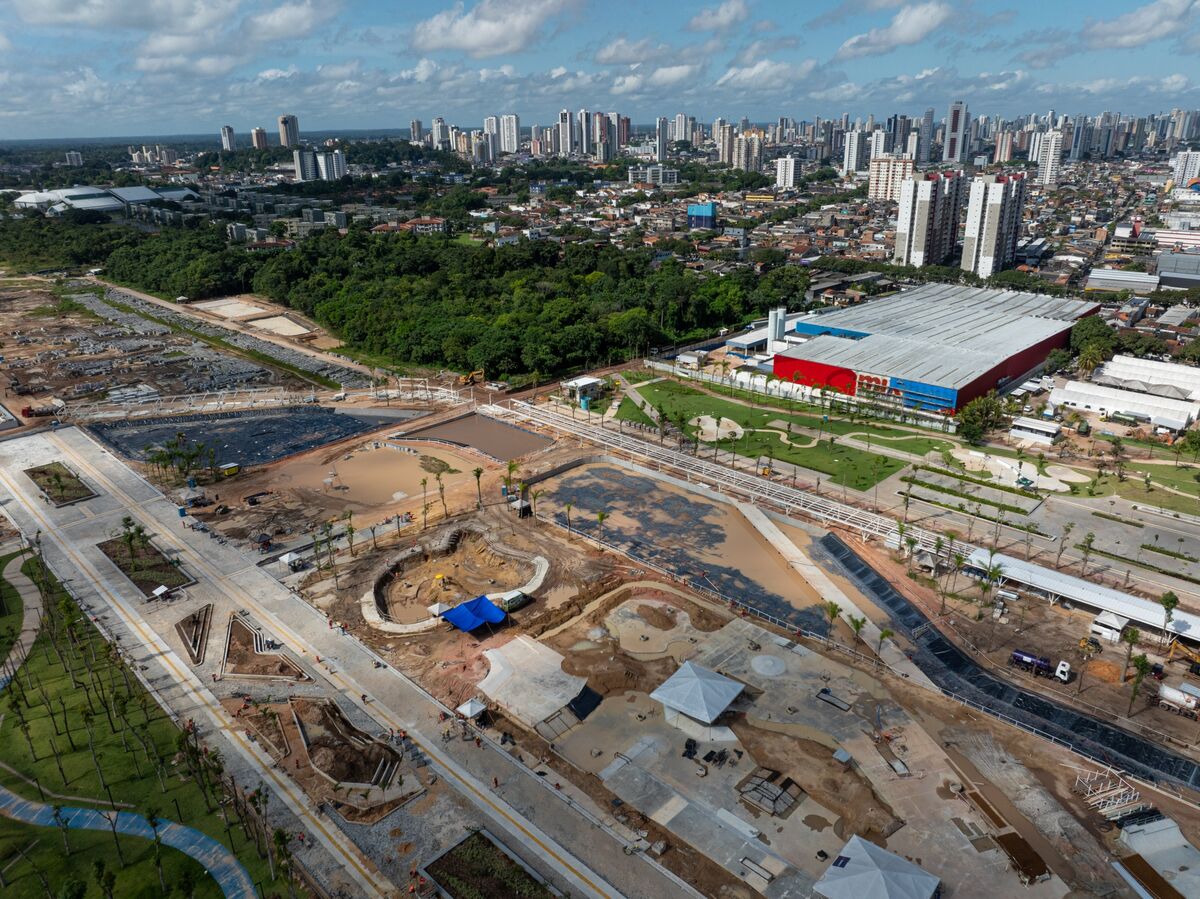
Brazil's upcoming COP30 climate summit in Belém, Amazon, faces a significant logistical crisis less than 100 days out, as a severe shortage of hotel rooms and soaring accommodation costs threaten to derail the event for its anticipated 50,000 participants. Countries are expressing alarm over the host city's inadequate tourism infrastructure, chosen for its rainforest proximity, while Brazil's secretariat recently postponed a crucial meeting to address these lodging issues. This situation raises serious concerns about the summit's operational viability and its ability to achieve its ambitious climate objectives.
The upcoming COP30 climate summit in Belém, Brazil, is facing a significant operational crisis that threatens the event's success and Brazil's international standing. With less than 100 days remaining, the host city's inadequate tourism infrastructure is unable to cope with the anticipated 50,000 attendees, leading to a severe shortage of hotel rooms and prohibitively high accommodation costs. This has drawn formal concern from participating nations. The situation is exacerbated by the Brazilian COP30 secretariat's decision to postpone a critical meeting aimed at addressing these logistical challenges, signaling a lack of immediate solutions. While the direct market impact is currently assessed as low, the fiasco poses a substantial reputational risk for the Lula administration, potentially overshadowing the summit's ambitious environmental agenda and undermining Brazil's credibility as a leader in climate policy.
AI-powered research, real-time alerts, and portfolio analytics for institutional investors.
Request DemoOverall Sentiment
strongly negative
Sentiment Score
-0.65
