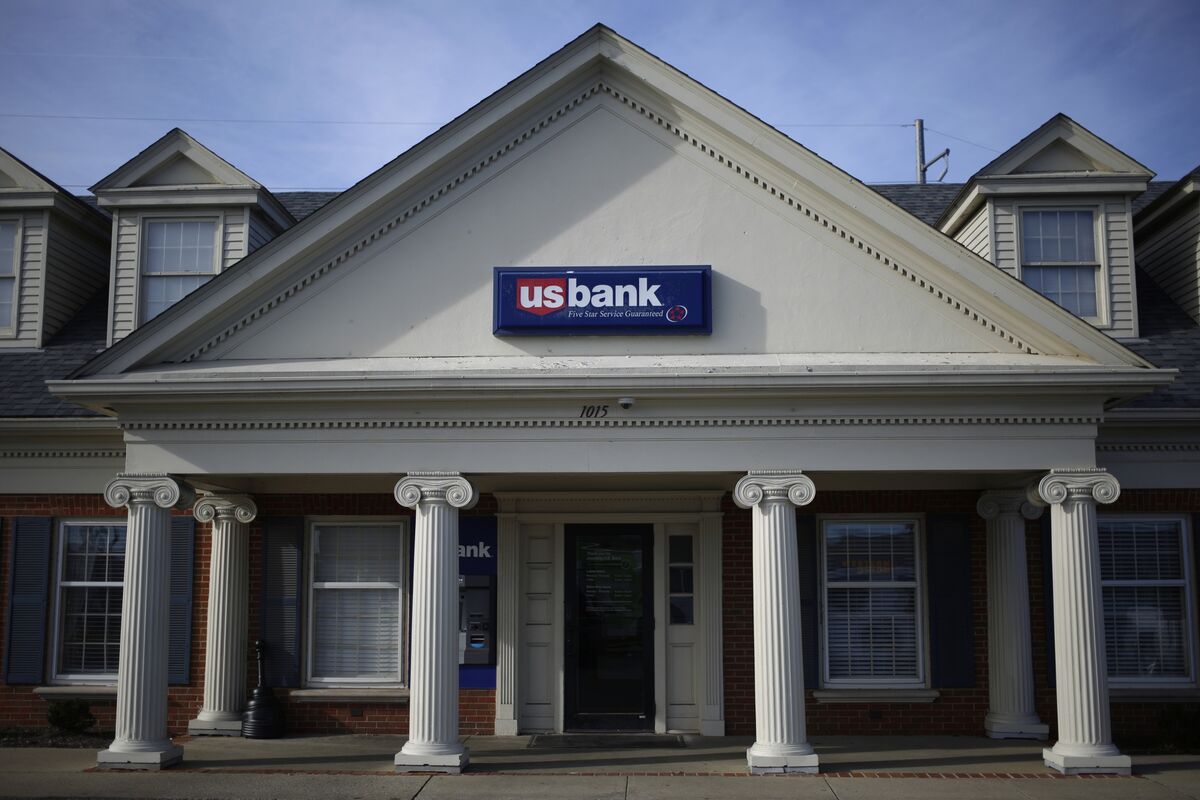
Amazon tapped U.S. Bancorp as the new issuer for its Prime Business and Amazon Business credit cards, replacing American Express and using Mastercard’s network; the refreshed cards will be relaunched in the coming months. The change could shift card processing and rewards economics toward U.S. Bancorp/Mastercard, modestly benefiting U.S. Bancorp’s card business and making Amazon’s business cards more attractive by offering greater rewards on non-Amazon spend.
The issuer switch amplifies the incumbent bank’s distribution leverage rather than creating a one‑off fee windfall: the real P&L lift for the new issuer will come from two channels that compound over 12–36 months — higher interchange and accelerated SME deposit/recurring credit balances — with each dollar of sustained card spend having a multi‑year annuity profile. Expect a staged revenue realization where merchant acceptance elasticity (Mastercard vs closed‑loop networks) and reward mix determine incremental spend; if outside‑Amazon spend rises 10–15% for cardholders, the issuer’s usable receivables and interchange could grow meaningfully without proportional incremental acquisition cost.
Second‑order winners are firms that cross‑sell to small businesses: core processors, SMB lending platforms and deposit gatherers benefit from any uplift in card flows, while premium closed‑loop issuers will face margin compression at the SME end as acceptance widens. Conversely, entrenched premium card franchises lose an embedded data advantage and face pricing pressure to retain high‑value SME accounts; this shift encourages incumbents to monkey with rewards or underwriting, which can compress NIMs or increase acquisition spend over the next 6–18 months.
Key risks: underwriting quality for small business portfolios reacts with a lag — macro deterioration could turn an apparent win into higher charge‑offs within 9–18 months, reversing any valuation multiple expansion; regulatory or merchant pushback on co‑brand economics is a lower‑probability tail that could blunt interchange capture. Monitor quarterly disclosures for card receivables, cross‑sell conversion rates and vintage charge‑off trajectories as the primary catalysts that will move equity multiples over the coming 3–12 months.
AI-powered research, real-time alerts, and portfolio analytics for institutional investors.
Request DemoOverall Sentiment
mildly positive
Sentiment Score
0.20
Ticker Sentiment
