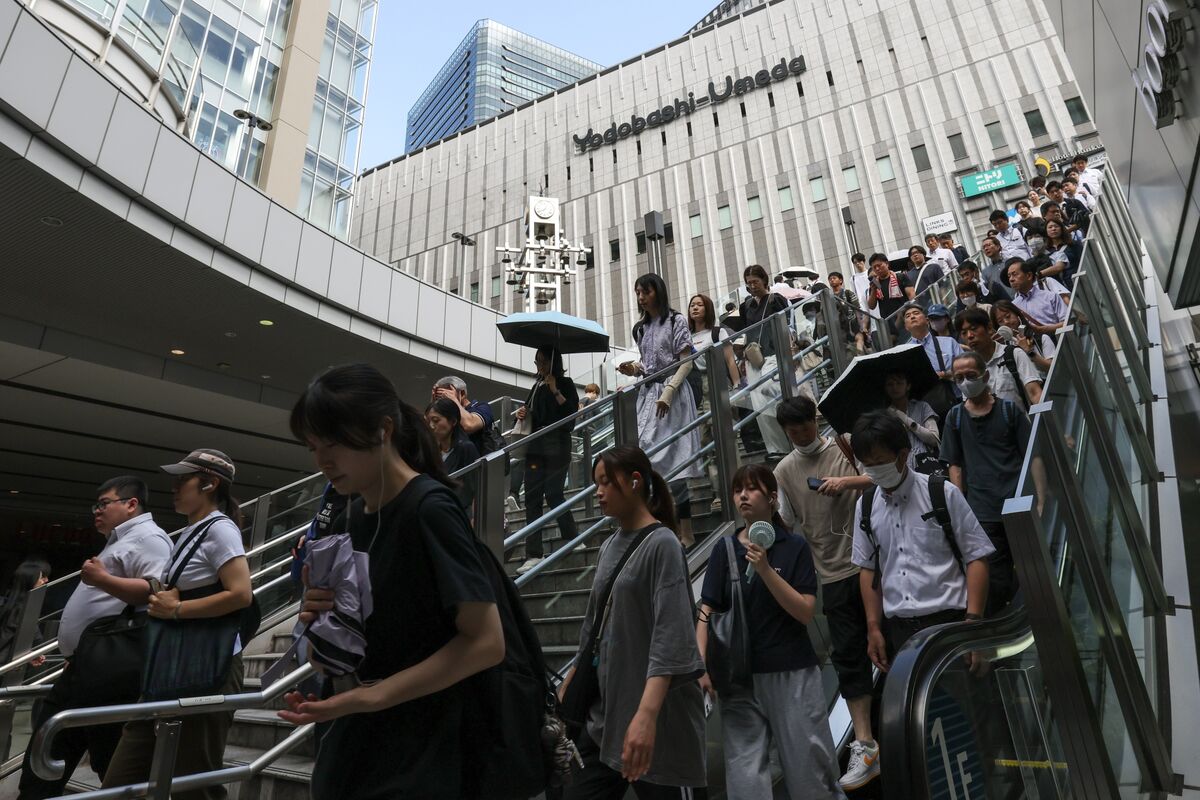
Bank of Japan Governor Kazuo Ueda, speaking at the Jackson Hole symposium, indicated that a tight labor market is expected to sustain upward wage pressure, with growth now extending to small and medium-sized enterprises. This outlook underpins his confidence that stable inflation will take hold, suggesting the Bank of Japan sees domestic demand-led growth as a key driver for achieving its price target.
Bank of Japan Governor Kazuo Ueda's remarks at the Jackson Hole symposium signal a notable increase in confidence regarding the prospects for sustainable, domestically-driven inflation. His key assertion is that a tight labor market is creating durable upward pressure on wages, a trend he specifically notes is now broadening from large corporations to include small and medium-sized enterprises. This development is critical, as it suggests the wage-price spiral, long absent in Japan, may be starting to materialize, providing the foundation for the central bank to achieve its stable inflation target. While Ueda conditioned this outlook on the absence of a "major negative demand shock," the overall tone, rated as moderately positive with a high market impact score of 0.7, points toward a hawkish tilt in the Bank of Japan's thinking and raises the probability of a future monetary policy normalization.
AI-powered research, real-time alerts, and portfolio analytics for institutional investors.
Request DemoOverall Sentiment
moderately positive
Sentiment Score
0.60
