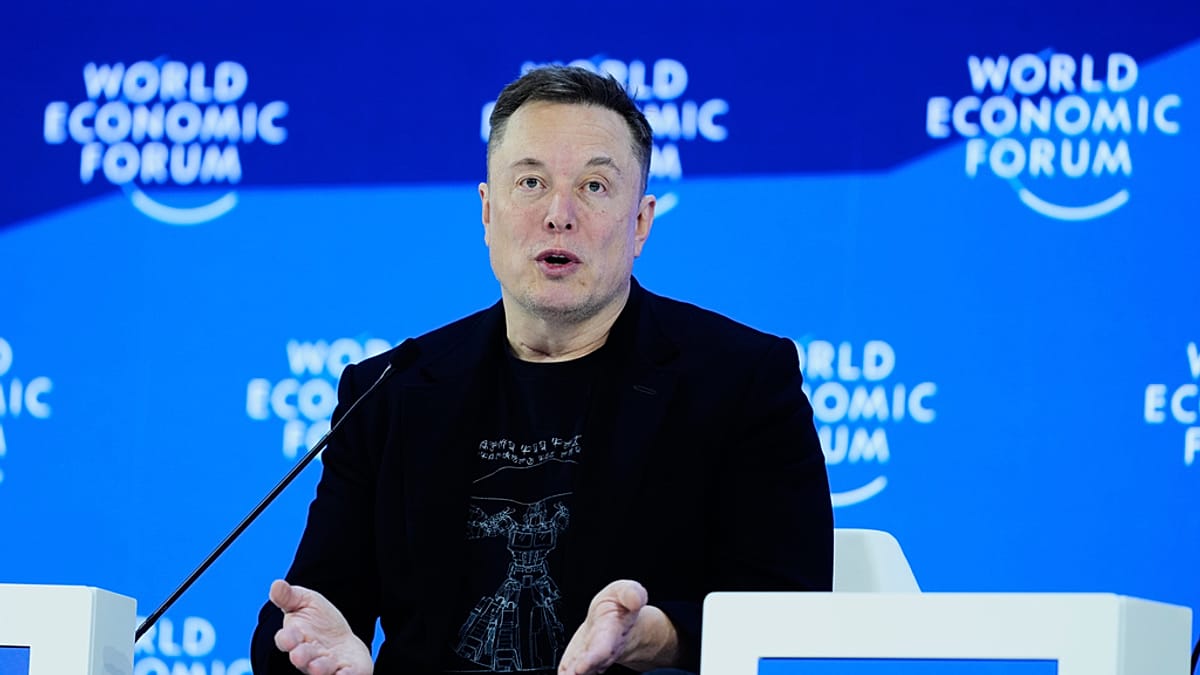
Elon Musk is reportedly exploring merger combinations among SpaceX, Tesla and xAI ahead of a possible SpaceX IPO as soon as 2026, with SpaceX valued at roughly $800bn in a late-2025 share sale and xAI having raised $20bn (and been valued around $230bn in recent rounds). Media reports suggest a combined group could exceed $1 trillion pre-listing—potentially targeting up to $1.5 trillion—intended to integrate rocket and satellite infrastructure, space-based AI compute and Tesla’s AI-driven vehicle and autonomy platforms; discussions are exploratory and unconfirmed, with deal structure and timing unclear.
Market structure: A Musk-led consolidation (SpaceX + xAI ± Tesla) would centrally increase pricing power across launch/satellite infrastructure, AI compute distribution, and vehicle software stacks. Immediate winners: SpaceX suppliers (L3H, RTX, LMT), AI hardware vendors (NVDA, AMAT) and satellite comms customers; losers: pure-play datacenter REITs (EQIX) and standalone cloud margins if space-based compute meaningfully scales. Cross-asset: expect higher TSLA equity IV, wider credit spreads for speculative private-financed strategies, modest USD strength on tech cap raises, and incremental demand for copper/aluminum for EV/space hardware over 12–36 months.
Risk assessment: Tail risks include regulatory/CFIUS block, national-security restrictions on Starlink, a failed SpaceX IPO, or value-destroying internal capital transfers; probability medium but impact multi-hundred-billions. Near-term (days–weeks) risk is rumor-driven volatility; short-term (months) risk is dilution or funding round repricing; long-term (2–5 years) risk is execution/integration and supplier concentration (NVDA/TSMC). Key catalysts: SpaceX S-1, xAI fundraising disclosures, Tesla board moves, and regulatory filings — each can swing prices >20%.
Trade implications: Tactical plays favor long exposure to NVDA (beneficiary of AI compute) and selective aerospace suppliers (LMT, RTX), defended by 12–24 month LEAPs or small equity buys. For TSLA use defined-risk option spreads (9–12 month call spreads) sized 1–3% of portfolio to capture upside without funding open-ended dilution risk. Reduce pure datacenter REIT exposure by 1–2% and rotate into satellite/launch supply chain over 6–18 months.
Contrarian angles: The market overestimates synergies and underestimates conglomerate discounts — historical parallels include AOL–TimeWarner and GE, where integration destroyed value. Regulatory/national-security blockages are underpriced; an announced merger could actually create downside if it triggers CFIUS or forces divestitures. If Musk prioritizes Starlink defense contracts, Tesla operational execution could suffer, creating asymmetric downside for TSLA holders.
AI-powered research, real-time alerts, and portfolio analytics for institutional investors.
Request DemoOverall Sentiment
mildly positive
Sentiment Score
0.30
Ticker Sentiment
