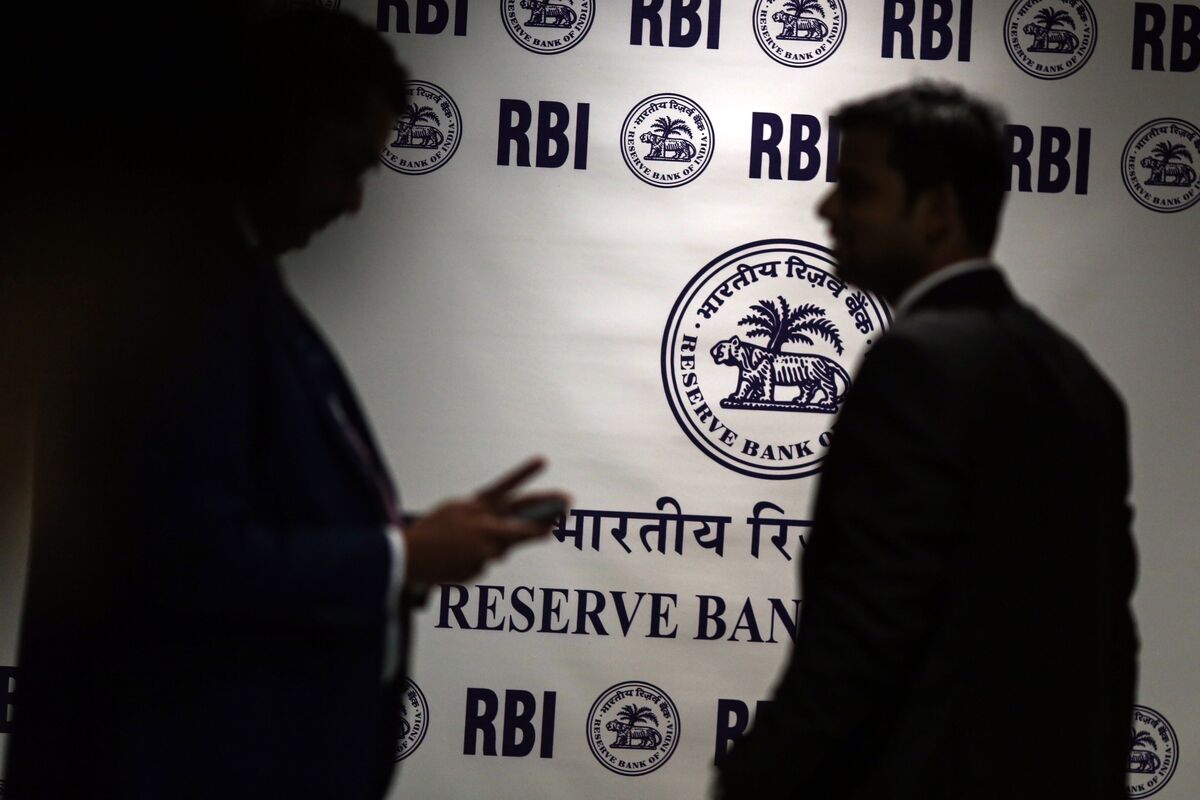
The Reserve Bank of India (RBI) announced a plan to drain one trillion rupees ($11.6 billion) from the banking system on June 27 via a seven-day variable rate reverse repurchase auction. This action marks a significant policy shift, ending months of cash infusions aimed at lowering borrowing costs, and represents the first use of this liquidity-draining tool since November, signaling a tightening of short-term cash conditions.
The Reserve Bank of India has signaled a significant pivot in its monetary policy, shifting from a prolonged period of liquidity infusion to active absorption. The central bank's plan to drain one trillion rupees ($11.6 billion) from the banking system via a seven-day variable rate reverse repurchase auction on June 27 marks the first use of this tool since November. This move represents a clear reversal from its prior accommodative stance, which successfully pushed down borrowing costs by injecting cash into the system. By actively removing excess funds, the RBI is tightening short-term liquidity conditions, which will likely exert upward pressure on money market rates. The moderately negative sentiment signal (-0.35) reflects market concerns that this withdrawal of stimulus could increase funding costs and potentially act as a brake on economic activity or asset valuation.
AI-powered research, real-time alerts, and portfolio analytics for institutional investors.
Request DemoOverall Sentiment
moderately negative
Sentiment Score
-0.35
