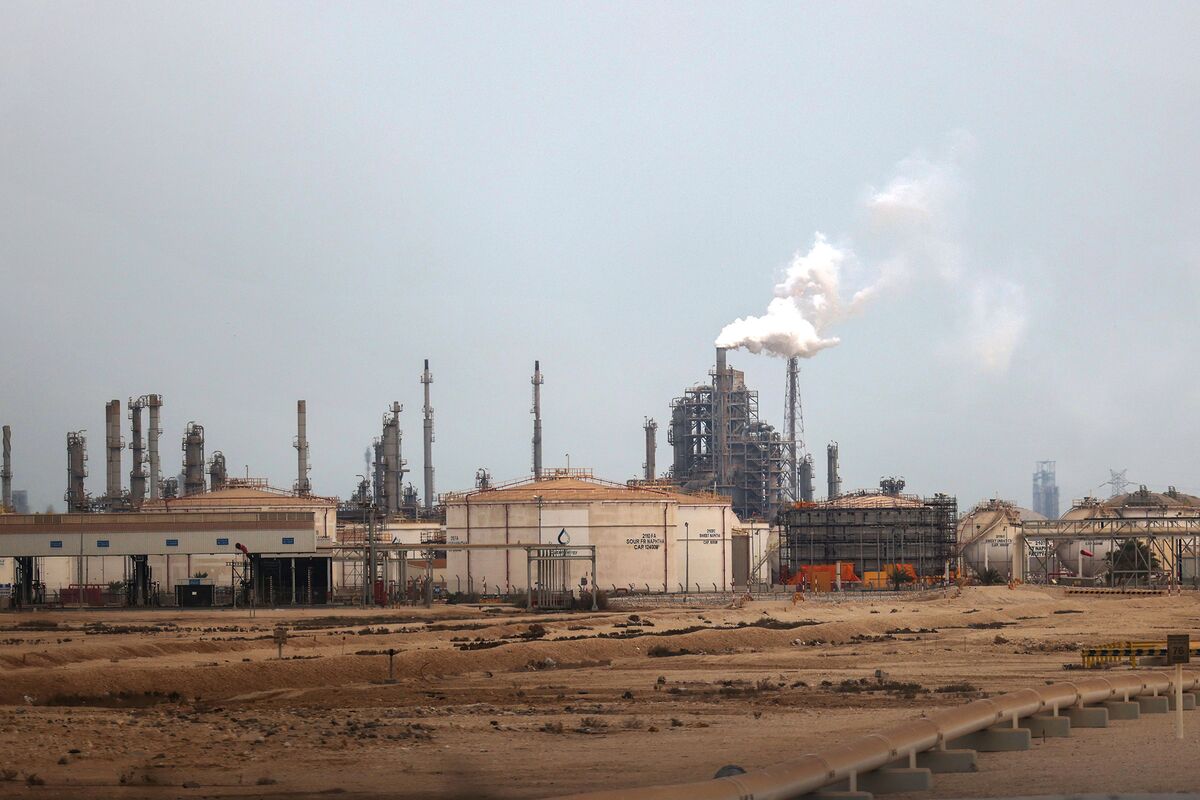
The war in Iran and the effective closure of the Strait of Hormuz has cut off Gulf natural gas supply — including output tied to Qatar's world-leading gas field — and damaged core infrastructure, tightening global supply. That has coincided with oil price spikes and raises the prospect of materially higher global gas prices, with short-term rebalancing increasingly dependent on rapidly rising US LNG exports since Russia's invasion of Ukraine. Expect prolonged repair timelines for Gulf output, elevated market volatility, and accelerated rerouting of LNG flows and infrastructure investment.
The net effect is a reallocation of margin along the gas value chain: exporters and floating/terminal capacity owners are morphing short‑term geopolitical scarcity into multi‑quarter pricing power, while downstream feedstock consumers and fixed‑volume buyers face margin compression that will show up in earnings over the next 1–3 quarters. The key transmission mechanism is shipping and regas flexibility — if you control a cargo, you can arbitrage regional differentials; owners of tonnage and spare regas capacity capture outsized optionality versus pure producers. Time horizons matter. Days-to-weeks drivers will be freight and spot cargo rerouting; months will see repair timelines, FERC/permit bottlenecks and stored inventory draws; full normalization (if it happens) is a 12–36 month story because capex and redeployment of LNG trains and pipelines are lumpy. Tail risks that widen the spread are asymmetric (further attacks, chokepoint closures) while de‑escalation, a warm winter, or a demand shock (China/Europe slowdown) can compress premiums quickly. Consensus is focusing on headline supply loss; it's underweighting two offsets: (1) rapid re‑routing of existing LNG fleets and short‑notice chartering can replace a material share of missing molecules within 4–12 weeks, and (2) demand elasticity (industrial curtailment, fuel switching) historically drops gas demand by a mid‑single digit percent within two quarters when prices spike. That makes selective, time‑boxed exposure superior to blanket commodity longs — favor owners of movable capacity and short duration optionality rather than long‑dated pure commodity exposure.
AI-powered research, real-time alerts, and portfolio analytics for institutional investors.
Overall Sentiment
strongly negative
Sentiment Score
-0.60
