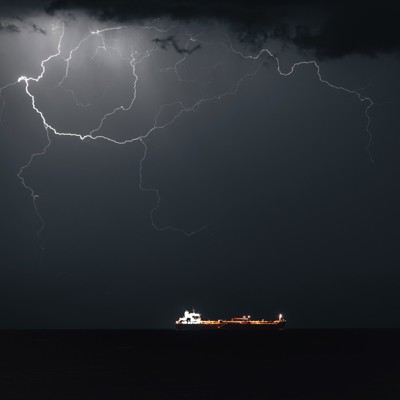
More than 9,000 targets have been struck and 140+ Iranian vessels damaged or destroyed, while roughly one-fifth of global crude is bottled up by the Strait of Hormuz closure, intensifying energy-market stress. The U.S. released 172 million barrels from the Strategic Petroleum Reserve and temporarily eased sanctions on Russian and Venezuelan oil (with plans to remove Iranian oil sanctions), actions that address near-term supply but deplete strategic buffers. Washington may seek a ~$200 billion supplemental and has deployed additional Marines, yet the conflict remains tactically degrading for Iran but strategically uncertain, creating elevated volatility and a risk-off posture for portfolios.
The conflict is creating a durable supply-risk premium in oil and refined products because the policy buffer (SPR) has been used materially and is not replenishable on a 1-2 year timeline; that elevates the probability that any sustained disruption in the Strait of Hormuz or repeated strikes on export terminals will translate into persistent price dislocations (I estimate a 30-40% chance Brent trades >$90 within 3 months if chokepoints remain contested). Energy-exporting nations and traders will therefore reprice forward curves, compressing contango and improving near-term producer cashflow while raising funding needs for refiners who must re-route cargoes and pay higher insurance.
Beyond energy, there are second-order winners in defense, mine-countermeasure and maritime insurance: demand for LCS-type countermeasure solutions, amphibious lift, and air defenses becomes measurable in government procurement cycles (6-36 months), supporting an outsized revenue re-rating for select prime contractors relative to peers. Conversely, sectors with high fuel cost sensitivity and thin pricing power — airlines, container shipping lines with long charter exposure, and consumer discretionary names heavily leveraged to transport costs — face margin compression that will be non-linear if oil stays volatile.
Cyber escalation is an underpriced asymmetric risk: targeted attacks on critical infrastructure or a high-profile contractor could impose bilateral revenue shocks and liability headlines that compress multiples across tech and industrial suppliers within days. Fiscal strain from a large supplemental request (~$200bn+) and stretched defense budgets creates political risk for sustainment procurement timing, meaning some program wins will be front-loaded (short-term revenue) while others get delayed into multi-year backlogs, increasing dispersion among primes.
AI-powered research, real-time alerts, and portfolio analytics for institutional investors.
Request DemoOverall Sentiment
strongly negative
Sentiment Score
-0.65
