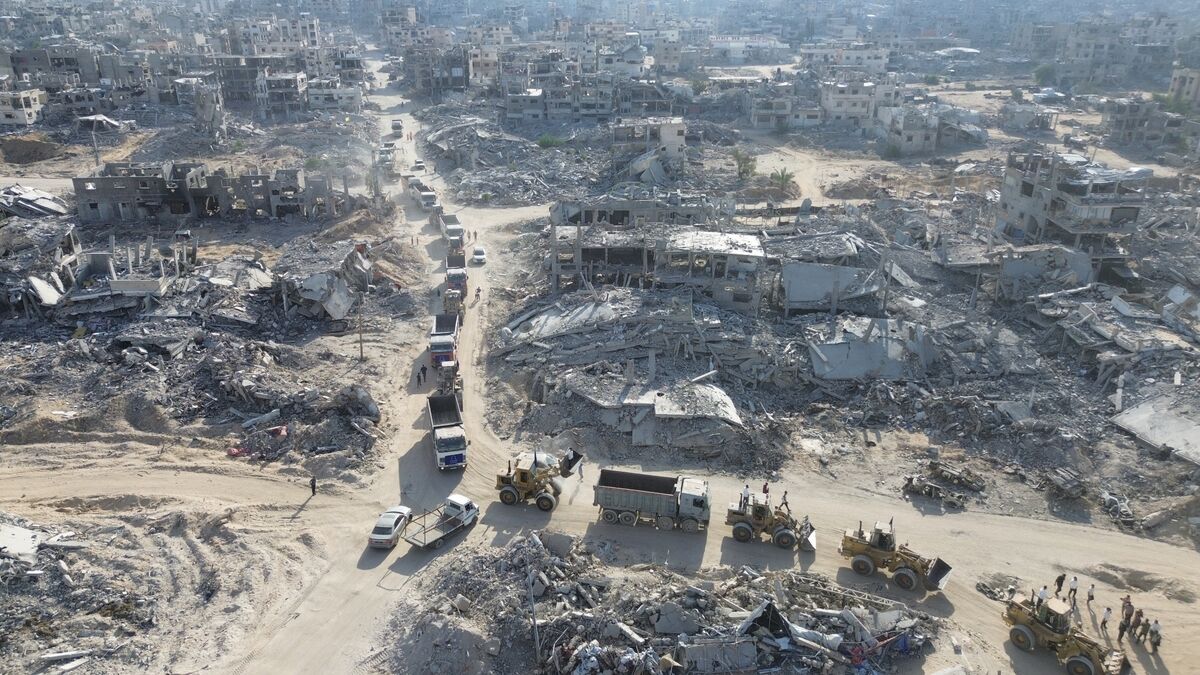
Prime Minister Benjamin Netanyahu has ordered "forceful strikes" against Hamas in Gaza following attacks on Israeli soldiers, jeopardizing a two-week-old US-brokered ceasefire. This escalation, confirmed by Defense Minister Israel Katz who vowed a "heavy price" for Hamas, introduces renewed geopolitical instability in the region, a factor closely monitored by global markets for its potential impact on energy prices and investor sentiment.
Prime Minister Benjamin Netanyahu has ordered "forceful strikes" against Hamas in Gaza, directly jeopardizing a two-week-old US-brokered ceasefire. This directive follows attacks on Israeli soldiers, indicating a significant escalation of hostilities in the region. Defense Minister Israel Katz affirmed that Hamas would "pay a heavy price," signaling a firm response from Israel.
This renewed military action introduces substantial geopolitical instability, reversing recent efforts towards de-escalation. The market signals reflect a "strongly negative" sentiment with a high market impact score of 0.8, underscoring investor concern. Such developments typically correlate with increased volatility across global markets.
The primary economic concern stems from the potential for disruption to global energy markets, given the Middle East's critical role in oil and gas supply. Renewed conflict could lead to upward pressure on energy prices, impacting inflation expectations and corporate input costs globally. Investor sentiment is likely to remain cautious, favoring safe-haven assets in the near term.
AI-powered research, real-time alerts, and portfolio analytics for institutional investors.
Request DemoOverall Sentiment
strongly negative
Sentiment Score
-0.80
