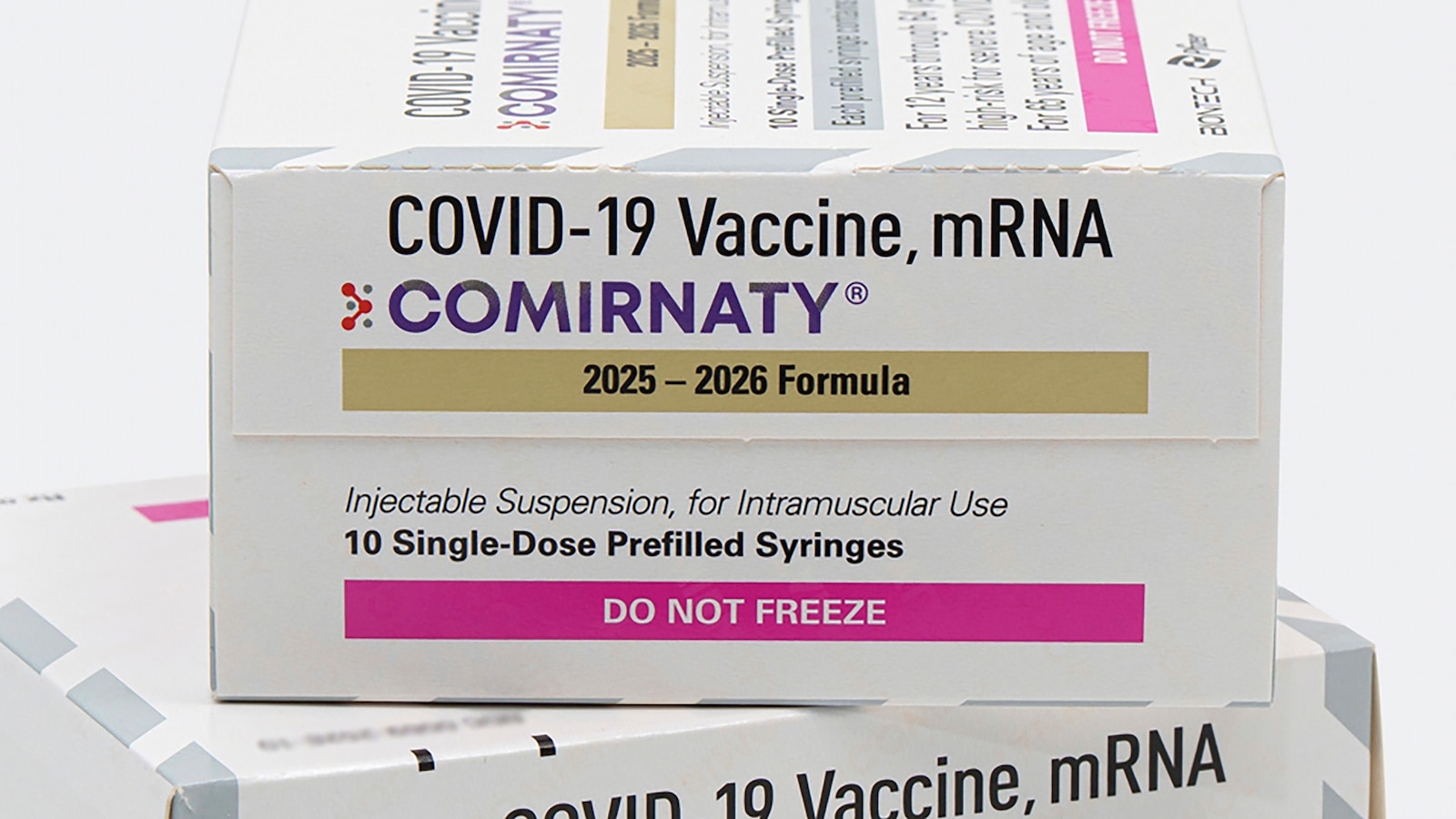
The FDA has approved updated COVID-19 vaccines for the fall/winter season with significant restrictions, primarily for high-risk individuals, marking a departure from previous universal recommendations. This shift, coupled with recent changes to the CDC's vaccine advisory committee, creates material uncertainty regarding insurance coverage and federal program eligibility, potentially leading to increased out-of-pocket costs for consumers (exceeding $140 per shot) and impacting vaccine uptake and revenue projections for manufacturers like Pfizer, Moderna, and Novavax. The differing guidance from leading medical associations further underscores a fragmented policy landscape for vaccine distribution and public health.
The U.S. Food and Drug Administration's (FDA) approval of updated COVID-19 vaccines from Pfizer/BioNTech (PFE/BNTX), Moderna (MRNA), and Novavax (NVAX) represents a significant regulatory and commercial pivot from prior years. The approvals are restricted primarily to high-risk populations, such as adults aged 65 and older or those with underlying conditions, which materially shrinks the addressable market compared to the previous universal recommendation for all individuals aged 6 months and older. This policy shift is compounded by substantial uncertainty regarding insurance reimbursement, stemming from the recent replacement of the CDC's vaccine advisory committee with members who have previously expressed vaccine-skeptic views. As insurers' coverage decisions often hinge on this panel's recommendations, there is a tangible risk that a significant portion of the population will face out-of-pocket costs, cited at over $140 per dose, or find the vaccine excluded from the Vaccines for Children program. This fragmented landscape is further complicated by conflicting guidance from leading medical groups like the American Academy of Pediatrics, which called the FDA's decision "deeply troubling" and continues to recommend vaccination for a broader pediatric group than the new federal guidance allows. Consequently, while the approvals are a necessary step, the restricted scope and looming reimbursement hurdles create substantial headwinds for vaccine uptake and cast significant doubt on the revenue potential for the manufacturers in the upcoming fall/winter season.
AI-powered research, real-time alerts, and portfolio analytics for institutional investors.
Request DemoOverall Sentiment
moderately negative
Sentiment Score
-0.40
Ticker Sentiment
