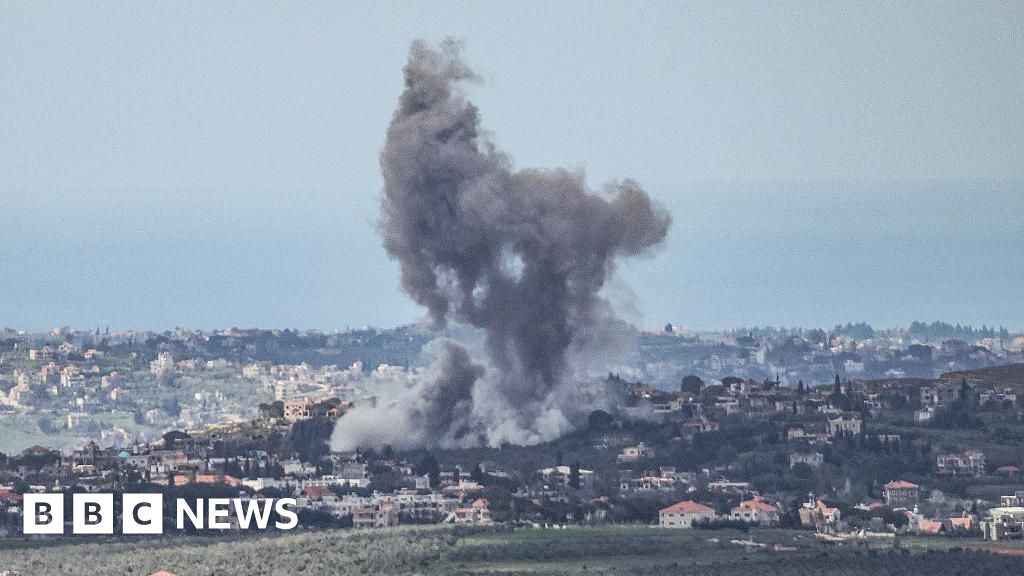
Israel's defence minister announced Israel will establish and retain a security zone inside southern Lebanon up to the Litani River (~30 km from the border) and bar the return of >600,000 displaced residents south of the Litani; he also said houses in border villages will be demolished. The conflict has caused at least 1,238 deaths in Lebanon (including 124 children), over 1 million displaced (~1 in 6 of the population), 51 primary health centres and four hospitals closed, and international condemnation from European states, Canada and the UN. This raises significant geopolitical risk and a heightened risk-off impulse for regional assets, with potential spillovers to risk premia, credit spreads and safe-haven flows.
Markets will price this as a multi-horizon shock: an immediate risk-off episode (days–weeks) driven by higher headline volatility, EM credit outflows and safe‑haven demand, followed by an idiosyncratic regional credit stress in Lebanon and neighboring sovereigns (weeks–months) as deposit flight and disrupted tax bases translate into widening bond spreads. The transmission mechanism is concentrated — small domestic banking systems, limited FX buffers and high external debt make Lebanon and sympathetic issuers prime candidates for rapid sovereign curve repricing; expect local sovereign CDS to reprice far faster than oil benchmarks.
A sustained security perimeter and demolition of housing creates a two‑phase corporate opportunity set: near‑term upside for defense, ISR, munitions, and tactical drone suppliers (procurement cycles measured in months) and medium‑term construction and materials demand if reconstruction is internationally funded (6–36 months), but political/legal risk will re‑route contracts to NATO/EU-aligned firms. Second‑order beneficiaries include RF semiconductor specialists, satellite imagery suppliers and Western prime contractors offering turnkey security architectures — their orderbooks are sticky and typically convert to revenue within 3–9 months.
Tail risks include rapid Iranian escalation or strikes on maritime chokepoints, which would flip oil and shipping into the dominant macro driver and force a different playbook; conversely, strong diplomatic de‑escalation could materially reverse defense sentiment within 30–90 days. Net: favor tactical, hedged exposure to defense and recon—size for optionality, not permanent carry, while using liquid EM credit and volatility instruments as asymmetric hedges.
AI-powered research, real-time alerts, and portfolio analytics for institutional investors.
Request DemoOverall Sentiment
strongly negative
Sentiment Score
-0.80
