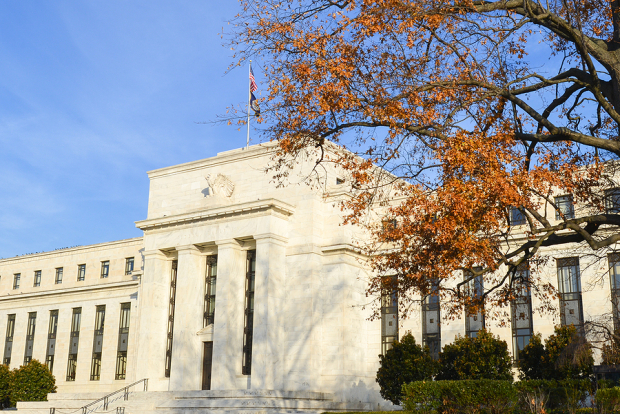
Ahead of the FOMC meeting, August economic data showed stronger-than-expected inflationary pressures, with Retail Sales up +0.6% (double forecasts) and Import Prices rising +0.3% (vs. -0.2% expected), alongside robust Export Prices. These 'warmer' metrics could temper market expectations for imminent rate cuts, potentially complicating the Fed's decision despite the addition of new voting member Stephen Miran, who advocates for deeper rate reductions.
Ahead of the Federal Open Market Committee (FOMC) meeting, new economic data presents a potential conflict with market expectations for imminent monetary easing. August Retail Sales significantly surpassed forecasts, coming in at +0.6% against an expected +0.3%, with core metrics like the Control group also showing robust strength at +0.7%. This indicates resilient consumer demand that could sustain inflationary pressures. Further complicating the outlook, the Import Price Index for August unexpectedly swung to a positive +0.3% from a forecasted -0.2%, marking the first back-to-back monthly increase since February. Concurrently, Export Prices surged +3.4% year-over-year, the fastest pace since 2022. While market futures appear to have discounted these 'warmer' figures, they introduce a hawkish risk to a Fed that is already showing signs of internal division. The committee now includes a new dovish voting member, Stephen Miran, who has previously argued for rate cuts of up to 300 bps, contrasting sharply with the 25 bps cut largely anticipated from Chair Powell. This follows the July meeting which saw the first multi-voter dissent in 30 years, highlighting a fractured consensus. The combination of stronger-than-expected economic data and a splintering committee elevates uncertainty around the Fed's policy trajectory.
AI-powered research, real-time alerts, and portfolio analytics for institutional investors.
Overall Sentiment
mildly negative
Sentiment Score
-0.30
