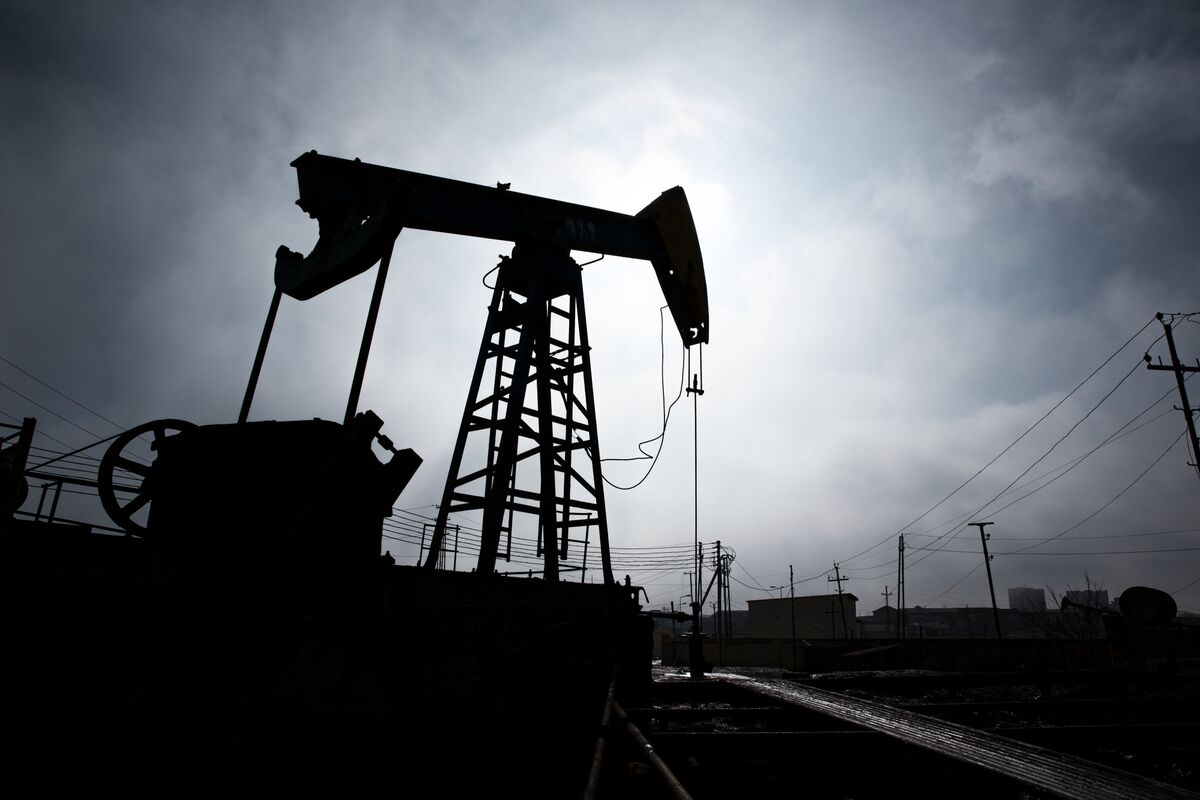
OPEC's crude output rose by 400,000 barrels a day in August to 28.55 million barrels daily, according to a Bloomberg survey, with Saudi Arabia accounting for over half the increase. This planned production hike demonstrates the group's continued efforts to revive halted supplies, signaling a steady increase in global oil availability.
OPEC's crude production increased by a planned 400,000 barrels per day in August, elevating total output to 28.55 million barrels per day, according to a recent Bloomberg survey. This increment aligns with the organization's stated strategy to gradually restore previously halted supplies to the market. Group leader Saudi Arabia was the primary contributor, accounting for over half of the total increase, reinforcing its pivotal role in managing the bloc's production policy. The market's neutral reaction suggests this supply addition was fully anticipated by investors. Nevertheless, the consistent and predictable reintroduction of barrels serves as a key fundamental for the global oil balance, potentially acting as a moderating force on further price increases.
AI-powered research, real-time alerts, and portfolio analytics for institutional investors.
Request DemoOverall Sentiment
neutral
Sentiment Score
0.10
