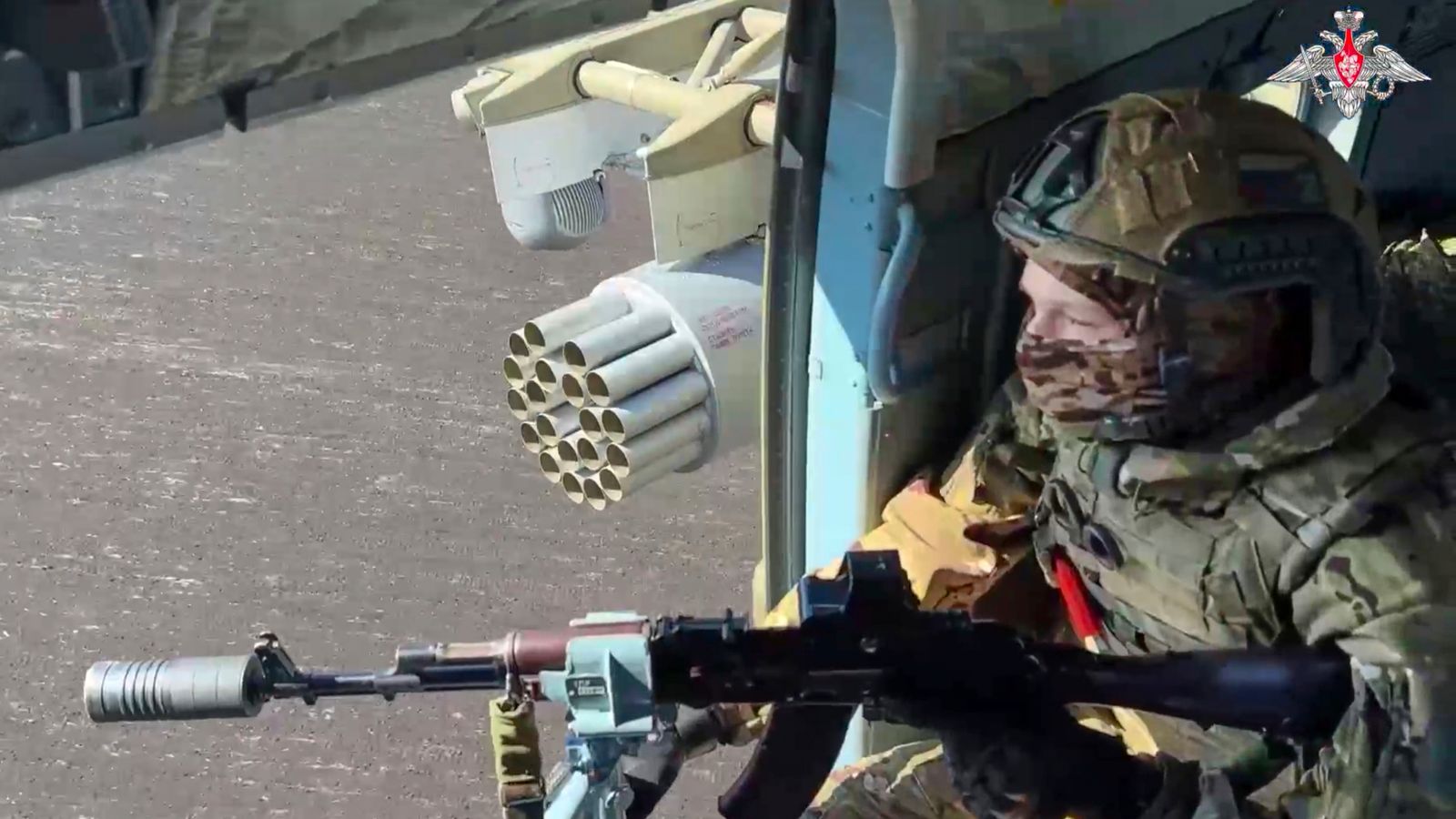
Russian forces are massing near Kharkiv, Ukraine, after reclaiming the Kursk region, prompting speculation about a potential offensive. Analysts believe Russia has a limited "four-month window" to achieve a breakthrough before weather conditions worsen and Soviet-era tank supplies dwindle, potentially impacting their ability to sustain losses with new production. While a direct assault on Kharkiv is considered challenging, Russia might aim to capture surrounding areas, though some experts suggest resources may be insufficient for a major push on Kharkiv or Sumy this summer.
Russian military forces are reportedly concentrating near Kharkiv, Ukraine's second-largest city, as of late May 2025, following an operation that dislodged Ukrainian troops from the Kursk region. This development raises concerns about a potential new Russian offensive, although analysts present varied perspectives on its likely scale and objectives. Military experts suggest Russia faces a critical "four-month window" to achieve a significant breakthrough, constrained by the impending change in weather and, more critically, the anticipated depletion of its Soviet-era tank stockpiles by mid-autumn 2025. Currently, approximately 75% of Russia's armour is drawn from these legacy stocks, and their exhaustion would mean future losses could only be replaced by new production, potentially limiting operational tempo. While some speculate that elite units, such as the VDV airborne, might spearhead an attack if they remain deployed near Kharkiv, other analysts, like Michael Clarke, suggest Russia may have expended the resources necessary for a major strategic offensive on Kharkiv or Sumy this summer, opting instead for broader attritional battles. Dr. Jack Watling from RUSI posits a "soft launch" offensive, characterized by a steady escalation of assaults across a wider front rather than large-scale mechanized manoeuvres, attributing this to limitations in Russian force quality. The general sentiment surrounding these developments is negative, reflecting the heightened risk and ongoing conflict, though the immediate market impact is assessed as moderate.
AI-powered research, real-time alerts, and portfolio analytics for institutional investors.
Request DemoOverall Sentiment
Negative
Sentiment Score
-0.25
