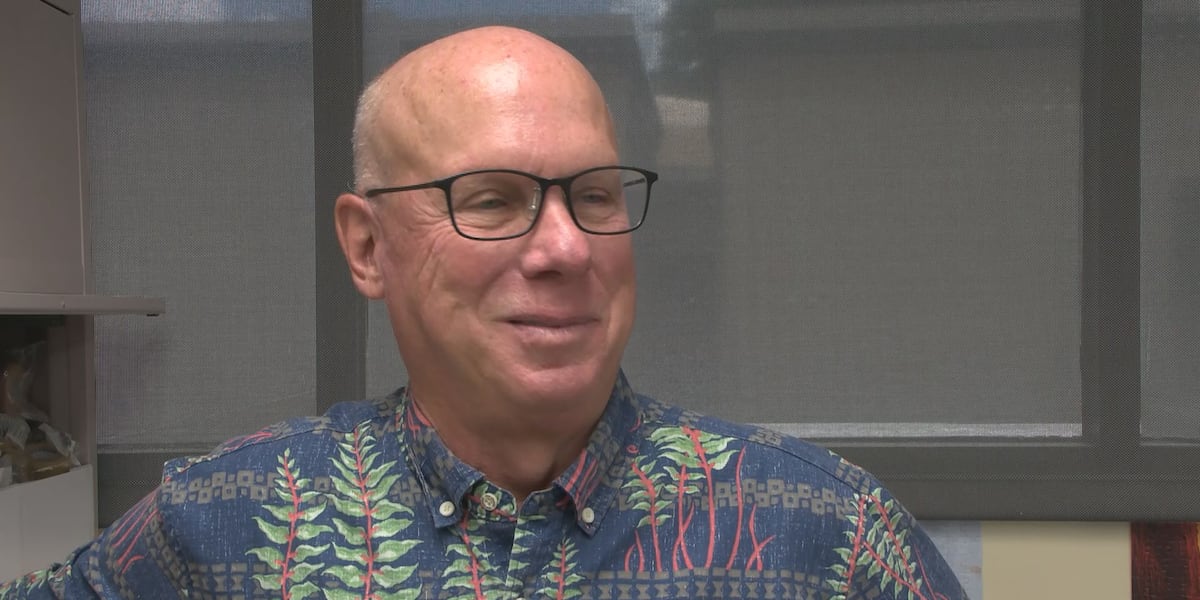
A medical expert said the hantavirus outbreak is "not the next pandemic," noting it is harder to catch than COVID-19 and does not mutate as frequently. The article cites 893 hantavirus cases in the Americas over the last 15 years and 2,500 to 3,000 annual cases in Europe. Hawaii residents interviewed were generally unconcerned and described a cautious but calm response.
This is a de-risking headline for the health complex, not a catalytic pandemic event. The market’s first instinct may be to bid up “infection scare” beneficiaries, but the bigger implication is that this should fade quickly unless there is evidence of broader human-to-human spread or a material increase in detection rates. In other words, the setup favors short-duration volatility rather than a durable repricing of healthcare, travel, or consumer behavior. The second-order trade is around perception, not pathology: any outbreak coverage can temporarily pressure cruise lines, airlines, and Hawaii leisure names, but absent sustained case growth the move should mean-revert within days to a few weeks. More interesting is the asymmetric beneficiary set in diagnostics, rodent-control, and public-health monitoring services if local governments and operators react with cleanup budgets and surveillance spending. Those are small, under-followed revenue lines, but they can see a short-lived activity bump even when the disease itself remains contained. The contrarian point is that the market may still be underestimating how fast “COVID reflexes” can reappear in consumer decision-making. Even a low-probability respiratory headline can trigger booking hesitation, especially for destination travel with older demographics, so the risk is not medical severity but behavioral contagion. If there is no follow-through in the next 1-2 weeks, the trade should be to fade the fear premium; if case counts expand beyond isolated incidents over 1-2 months, then the relevant exposure shifts from biosafety headlines to discretionary travel demand and local tourism spend.
AI-powered research, real-time alerts, and portfolio analytics for institutional investors.
Request DemoOverall Sentiment
neutral
Sentiment Score
0.05
