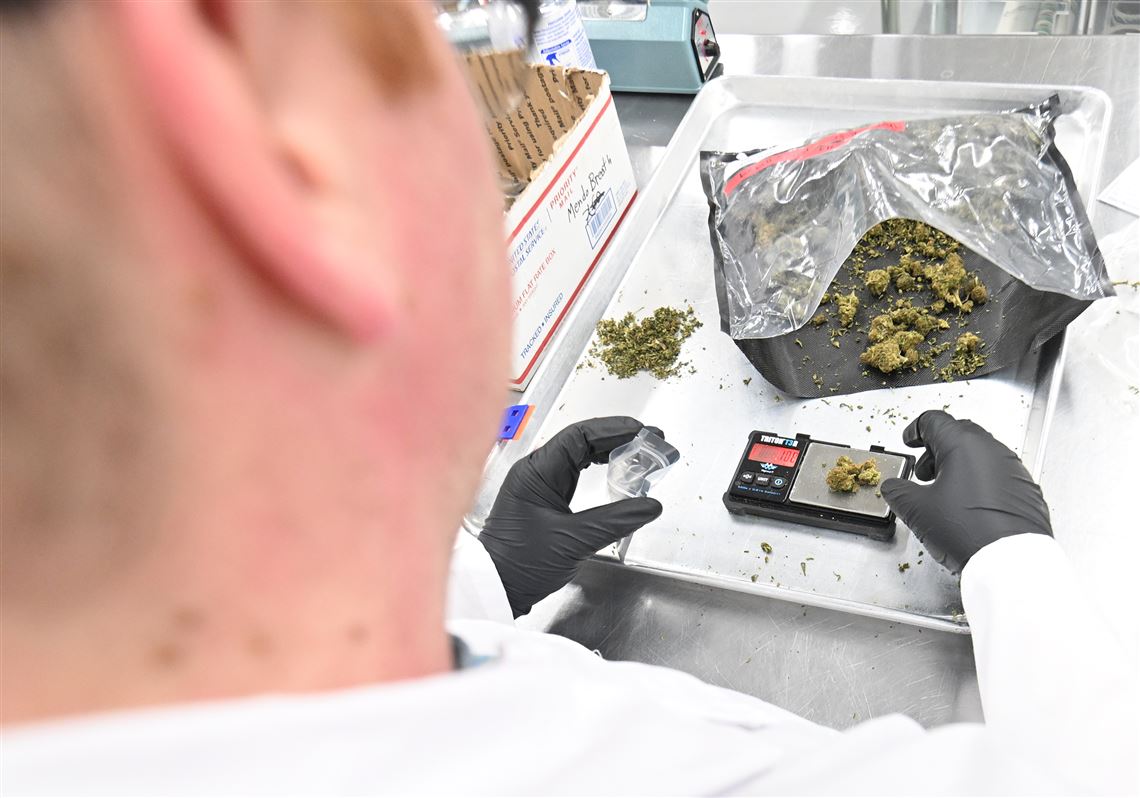
A Mitch McConnell-led amendment inserted into the recent 161-page federal budget bill would rework hemp policy by capping intoxicating THC at roughly 0.4 mg per container (effective November 2026), a shift from the 2018 Farm Bill’s 0.3% THC-by-dry-weight threshold. The rule would render many full‑spectrum CBD products — and a sizeable portion of the roughly $30 billion hemp industry and >$1 billion THC beverage market — federally illegal, threatening jobs, farms and small businesses while raising regulatory risk for cannabis-related producers and distributors; the amendment passed with unanimous GOP support and eight Democratic votes. Investors should expect heightened policy and compliance risk in hemp/cannabis supply chains, potential write-downs or inventory obsolescence for exposed firms, and concentrated state-level political fights as stakeholders lobby for carve-outs or delayed implementation.
Market structure: The McConnell amendment (0.4 mg THC/container, effective Nov 2026) is a concentrated shock to the unregulated hemp/CBD/beverage supply chain (~$30bn industry). Direct losers are pure-play hemp/CBD product makers and upstream commodity/grower inputs; winners are licensed, state-regulated MSOs that can capture displaced demand in recreational/medical markets (TLRY, CRLBF, TCNNF, CURLF). Retail beverage disruption ($1bn+ segment) shifts SKU economics toward licensed producers or the black market, tightening legal supply/demand in regulated states and likely boosting per-store receipts by mid-2026 if enforcement is strict.
Risk assessment: Tail risks include a federal court injunction or Congressional reversal (positive for hemp) and, conversely, rapid enforcement causing bankruptcies and farmer loan defaults (negative for regional banks and ag credit). Immediate (days–weeks): volatility in small-cap hemp tickers and OTCs; short-term (3–12 months): bankruptcies, capex write-offs, cross-border inventory seizures; long-term (>12 months): market consolidation with MSOs gaining 10–30% share of former hemp consumer wallet. Hidden dependencies: state legalization (PA, others) and FDA/DEA litigation outcomes are binary catalysts; reformulated products (THC-free synthetics) could blunt impact.
Trade implications: Tactical longs: overweight state-regulated MSOs (TCNNF, CRLBF, CURLF, TLRY) via equity and 6–18 month call-spread structures; tactical shorts: pure-play hemp/OTC CBD names (small-cap/OTC shelf) via puts or equity swaps sized 0.5–2% NAV. Credit/FX: widen credit spreads on small agricultural credits and local banks with hemp loan concentration; reduce exposure to high-yield paper of hemp-dependent issuers. Options: buy 6–12 month call spreads on CURLF/TLRY (25–35% OTM) and buy puts on hemp OTC names 3–6 month expiries (delta ~0.30) to limit premium spend.
Contrarian angles: Consensus assumes wholesale industry collapse, but regulated MSOs with retail footprints can convert a material share of demand — estimate 10–20% incremental revenue uplift in affected states over 12–24 months. The reaction may be overdone for large-cap MSOs with diversified revenue and branded products (TLRY, CURLF); conversely, alcohol/large beverage names (STZ, BUD) could see modest upside if THC beverages disappear, but this is secondary. Historical parallel: state-level crackdowns on vape products initially crushed small players but consolidated incumbents; expect similar consolidation here, creating 12–36 month alpha for selected MSOs and short alpha for OTC hemp issuers.
AI-powered research, real-time alerts, and portfolio analytics for institutional investors.
Request DemoOverall Sentiment
strongly negative
Sentiment Score
-0.70
