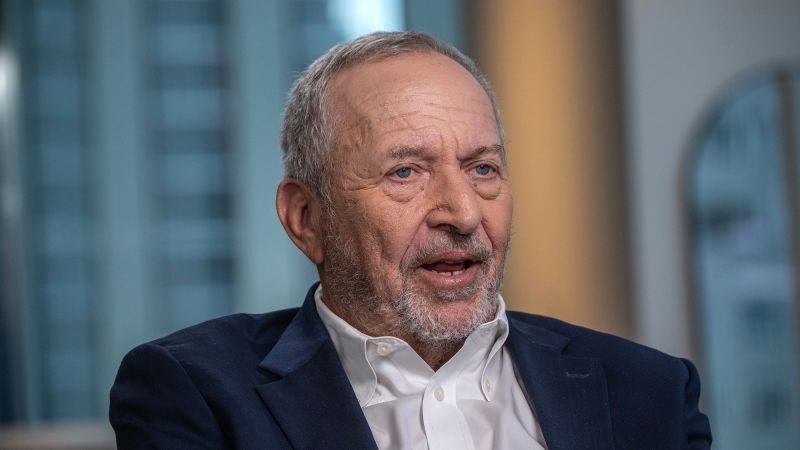
Former U.S. Treasury Secretary and Harvard professor Larry Summers has resigned from the OpenAI board and is stepping away from his instructor role at Harvard after a House committee released emails showing years of personal correspondence with convicted sex offender Jeffrey Epstein, including sexist remarks and requests for romantic advice; he also resigned from the international advisory board of Santander. OpenAI said it respected his decision, Harvard confirmed he will not finish the semester and has gone on leave as director of the Mossavar‑Rahmani Center for Business and Government, and the university has launched an investigation amid calls from Sen. Elizabeth Warren to cut ties. Summers, who joined OpenAI’s board in 2023 during the company’s leadership turbulence, faces reputational and governance fallout as major institutions distance themselves.
Larry Summers has resigned from the OpenAI board and his Harvard instructor role after a House committee released years of personal correspondence with convicted sex offender Jeffrey Epstein that included sexist comments and requests for romantic advice; he also stepped down from Santander’s international advisory board. OpenAI publicly stated it respected his decision; Summers joined the board in 2023 amid the company’s leadership turbulence following Sam Altman’s brief ouster. Harvard confirmed Summers will not finish the semester, has gone on leave from directing the Mossavar-Rahmani Center for Business and Government, and has launched an internal investigation while Sen. Elizabeth Warren urged the university to cut ties. The disclosures create a reputational and governance issue for institutions associated with Summers, producing a mildly negative sentiment signal and a low but non-zero market impact score (0.15), indicating limited immediate financial contagion but meaningful governance risk that could influence partner, donor and investor perceptions.
Investors should treat this as a governance- and reputation-driven event rather than a direct financial shock to markets; the primary implications are potential distraction for OpenAI leadership, renewed scrutiny of board composition and donor/institutional relationships, and the risk of further disclosures. Key near-term indicators to watch include additional email releases, the findings of Harvard’s investigation, any OpenAI board nominations or governance changes, and public statements by OpenAI and its partners that could materially shift investor confidence.
AI-powered research, real-time alerts, and portfolio analytics for institutional investors.
Request DemoOverall Sentiment
mildly negative
Sentiment Score
-0.30
