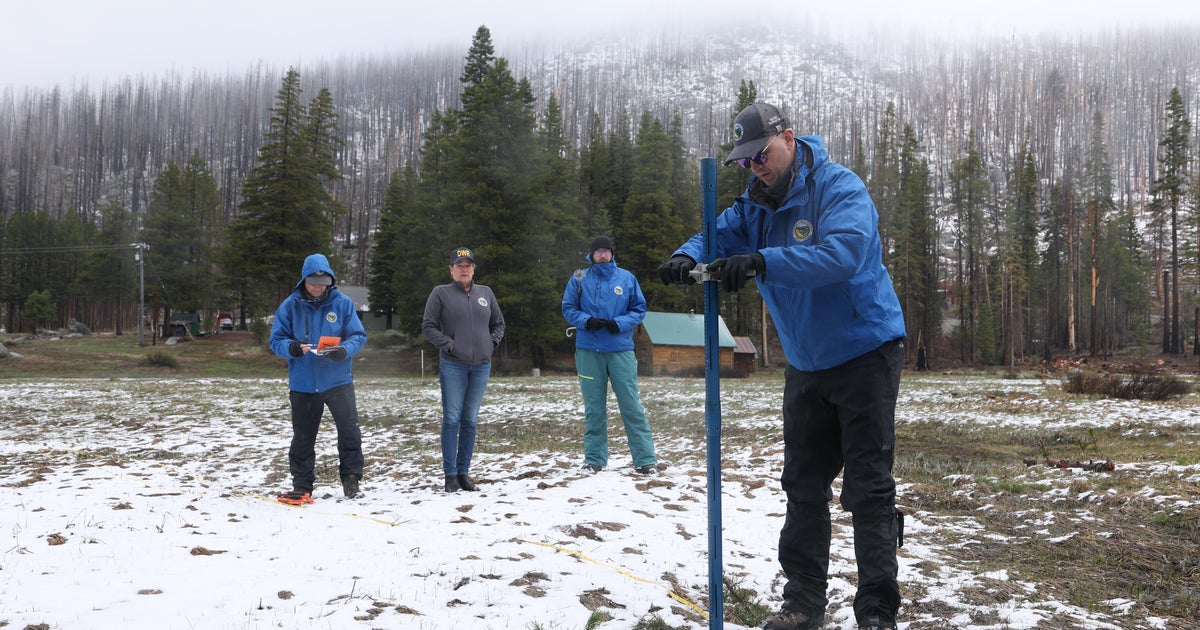
Statewide snowpack measured at 18% of normal for April 1 (northern Sierra at 6%), with Phillips Station recording no measurable snow and signaling likely the second-lowest April snowpack on record. Automated sensors indicate the season’s peak likely occurred on or near Feb. 24 after a record-heat March melted snowpack weeks early; a recent storm is not expected to replace lost snow. DWR added 100 mid-month surveys and warns of implications for water supply management and the need to retrofit aging water infrastructure for more volatile precipitation patterns.
If upstream seasonal water storage underperforms relative to historical carryover, expect a multi-layered reallocation of demand: accelerated groundwater pumping, higher summer peak electricity demand to run pumps, and faster drawdown of reservoir emergency reserves. These linkages compress municipal liquidity and raise the probability of out-year rate cases and special assessments; utilities with predictable rate bases will outperform entities reliant on one-off emergency funding.
For equipment and technology vendors, shorter, more volatile wet seasons favor point-of-use and telemetry solutions over heavy civil storage projects because procurement cycles and permitting for large dams are multi-year. This shifts margin capture toward specialist OEMs and recurring-software-service models (sensors, control systems, variable-speed pumps) and away from commodity civil contractors whose revenue is lumpy and tied to political approval.
Key catalysts to monitor in the next 3–18 months are: PUC/regulatory rulings on emergency cost recovery, federal/state grant approvals, and the timing of meaningful precipitation events that could replenish carryover storage. Tail risks include wholesale litigation over water allocations and compulsory buyouts of junior water rights; a wet season concentrated in late winter could materially reverse market-implied scarcity within weeks, while infrastructure re-rating plays out over years.
Contrarian angle: market headlines will push cyclicals into a ‘build-everything’ narrative for desalination and large conveyance upgrades; in reality, desalination is capital- and energy-intensive with multi-year permitting, so near-term revenue reallocation will favor modular tech and O&M suppliers. Position sizing should reflect policy and funding cadence rather than headline severity—short-term spikes in demand are rarely captured fully by large-cap engineering firms within a 12-month horizon.
AI-powered research, real-time alerts, and portfolio analytics for institutional investors.
Request DemoOverall Sentiment
mildly negative
Sentiment Score
-0.30
