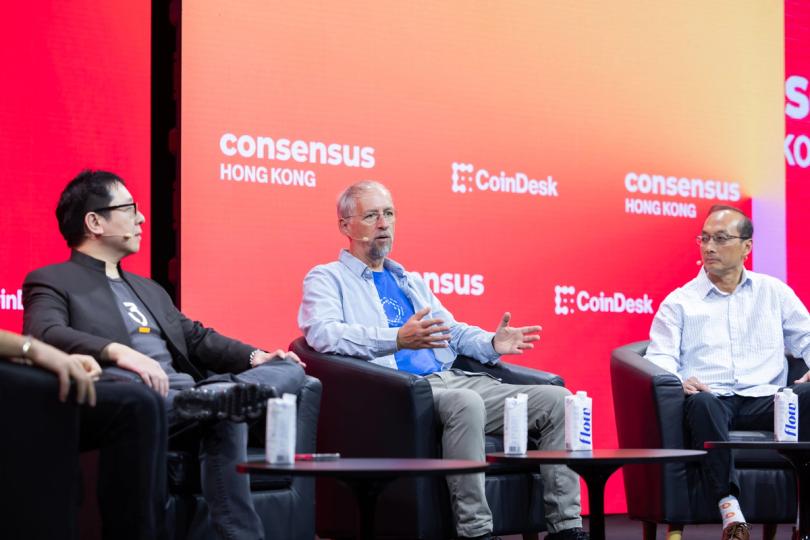
Adam Back publicly denied being Satoshi Nakamoto after a New York Times story argued he is the strongest candidate. He attributed similarities between his decades-long cryptography/e-cash work and Bitcoin to shared cypherpunk ideas and coincidence, not hidden authorship. Commentators and early Bitcoin figures expressed skepticism about the NYT’s evidence and warned that unmasking Satoshi could endanger that individual's privacy and safety.
The media scrum around identifying Bitcoin’s author is more of a narrative catalyst than a fundamentals event for either crypto markets or legacy media. Expect a measurable but short-lived traffic bump to outlets that run the story — on the order of low-single-digit percentage lifts in daily unique visitors and a similar bump in retail trading volumes for spot/derivative bitcoin products over the next 7–21 days — but a sustained reputational hit if the reporting is judged invasive, which can translate into higher churn over the next 1–3 quarters.
For crypto markets, the real lever is identity uncertainty concentrated around known early-key addresses. Market-moving outcomes require a credible path from identification to private-key access or sale; absent that, the primary second-order effect is increased retail attention and volatility (VIX-like realized vol for BTC could rise 20–50% from baseline for 2–6 weeks). The tail risk that meaningfully crushes prices is low probability but high impact: credible proof that an early-key holder with ~1M BTC intends to liquidate would force liquidations across leverage-sensitive players and could create 30–50% downside in stressed scenarios within days.
Longer-term, the episode accelerates demand for privacy-preserving tech, key custody, and blockchain forensics services. Expect incremental enterprise spend on custody and privacy tooling (measurable as 5–15% uplift in procurement cycles over 6–12 months) and a bifurcation in investor preference toward coins and services that credibly offer stronger metadata resistance; simultaneously, regulatory and law-enforcement attention will rise, creating asymmetric regulatory risk for exchanges and custodians over the same timeframe.
AI-powered research, real-time alerts, and portfolio analytics for institutional investors.
Request DemoOverall Sentiment
neutral
Sentiment Score
0.00
Ticker Sentiment
