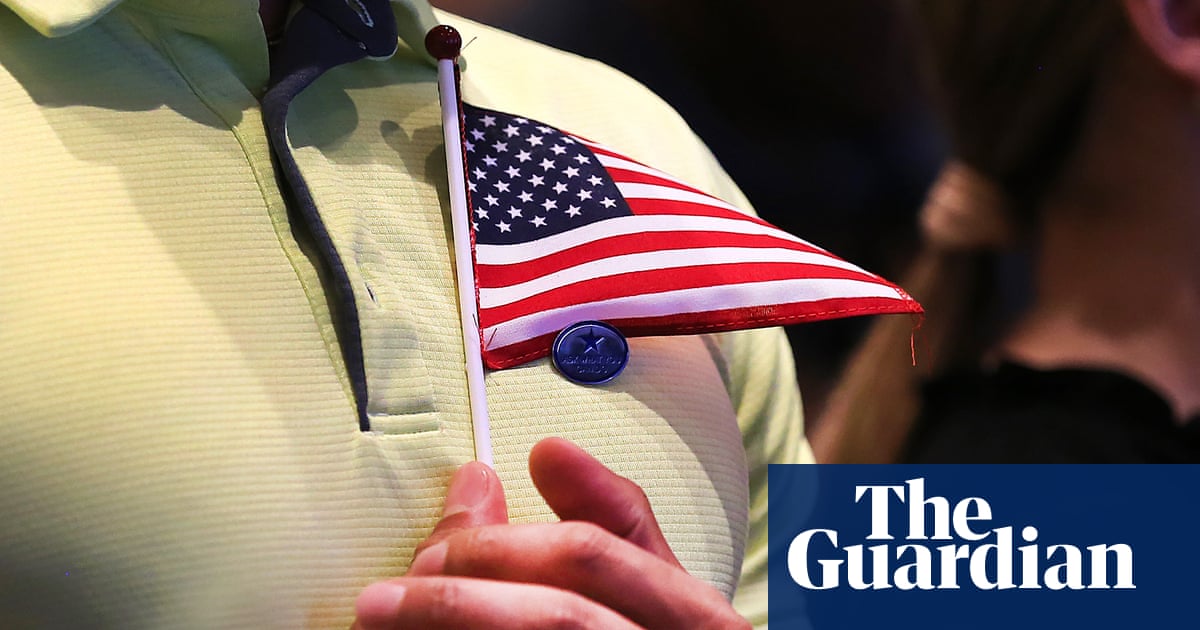
USCIS issued a memo that could force many green card applicants already in the US to pursue consular processing abroad, creating uncertainty for H-1B, F-1 and EB-5 visa holders. The policy has raised fears of delayed residency, forced travel, job disruption and family separation, especially for applicants from India, Hong Kong and mixed-status families. While USCIS later said some applicants may still continue on their current path depending on individualized circumstances, the memo has intensified concerns that legal immigration pathways are becoming less predictable.
This is less about immigration optics than about a sudden increase in the expected cost of US labor permanence for a very specific cohort: high-skill, high-income foreign workers whose consumption, housing, and capital formation have been anchored on the assumption that the US path to residency was operationally predictable. The first-order economic hit is small, but the second-order effect is that the US becomes a less reliable “risk-free asset” for global talent, especially for Indians, Chinese, and other nationality buckets already facing long queues. That matters because the most productive marginal worker is also the one most able to arbitrage jurisdictions; even a modest rise in perceived policy entropy can redirect future cohorts toward Canada, the UK, Singapore, or remote-first arrangements.
The near-term losers are not just immigrant households; they are the businesses monetizing their settlement decisions. Think private education, suburban housing, consumer durables, immigration legal services, and the entire H-1B-adjacent ecosystem that depends on workers upgrading from temporary to permanent status and then spending locally. A forced shift toward consular processing also creates a friction tax: more travel, more legal spend, more time out of the country, and higher abandonment risk for pending applications. Over 6-18 months, that can dampen housing turnover in tech-heavy metros and reduce incremental demand from the very demographic that tends to buy homes, cars, and services quickly after receiving green-card visibility.
The policy also introduces a selective-benefit regime, which means the market should expect administrative discretion to become the real variable, not the headline rule. That creates tail risk around uneven enforcement: applicants tied to employers, investors, or “national interest” arguments may continue through while everyone else is forced into uncertainty, amplifying the value of regulatory connections and legal sophistication. The catalyst to watch is not the memo itself but whether courts or internal guidance force a narrower interpretation within weeks; absent that, the chilling effect can persist for multiple admission cycles even if actual denials remain limited.
Consensus may be underestimating how much of the damage is behavioral rather than legal. Even a policy that is partially reversed can still depress marriage, relocation, and housing decisions for a full year because households optimize on worst-case path dependence, not official probabilities. That makes this a classic lagged policy shock: small direct GDP impact, but meaningful micro-level dislocation in sectors that rely on high-income immigrant formation and household formation.
AI-powered research, real-time alerts, and portfolio analytics for institutional investors.
Request TrialOverall Sentiment
moderately negative
Sentiment Score
-0.45
