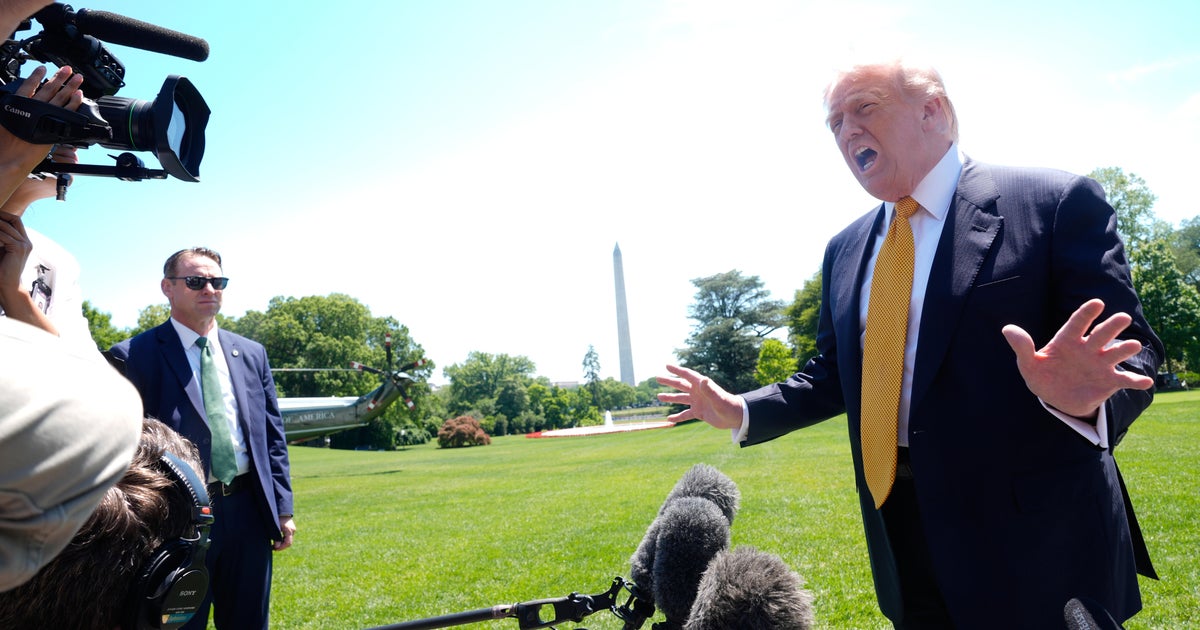
Trump said Iran's nuclear threat is his only focus, explicitly stating he does not think about Americans' financial situation as motivation for a deal. The article links the standoff to higher oil and gas prices, with the Strait of Hormuz largely closed, the U.S. national average gasoline price at $4.50/gal, and a potential move to $5/gal if the strait stays shut. April inflation rose to 3.8%, its highest level in 2023, underscoring the broader economic backdrop.
The market is being asked to price a policy regime where geopolitical risk outranks household pain, which is usually a bearish setup for broad risk assets even if the immediate headline is not a direct sanctions shock. The first-order transmission is energy: any sustained closure/disruption premium in the Gulf tends to flow straight into gasoline, then into consumer discretionary demand with a lag of 2-6 weeks, and into margin pressure for transport, airlines, chemicals, and small-cap retail over the next quarter.
The more important second-order effect is inflation persistence. If the energy impulse holds for even one monthly CPI print, it raises the odds that real rates stay higher for longer and pushes the Fed into a harder tradeoff between growth and inflation. That is negative for long-duration equities, especially unprofitable tech and rate-sensitive sectors, but it is supportive for upstream energy and refiners with feedstock flexibility and pricing power.
There is also an asymmetric political risk channel: if gasoline approaches a psychologically damaging level, policy response risk rises sharply, but the tools are slower than the market cycle. That means the near-term trade is not to fade the move immediately, but to respect a 2-8 week window where volatility can remain elevated and hedges are cheap relative to the potential shock. A quick diplomatic de-escalation would likely unwind the premium faster than the macro damage, so the setup favors options over outright directional cash exposure.
Consensus is probably underestimating how uneven the burden is across sectors. Households with higher fuel sensitivity cut other spend first, which hurts lower-income consumer names and payment-volume-linked businesses before it shows up in aggregate data; meanwhile, energy equities can outperform even if the broader tape weakens. The move is not about oil beta alone — it is about inflation optionality and the probability distribution of policy mistakes.
AI-powered research, real-time alerts, and portfolio analytics for institutional investors.
Request DemoOverall Sentiment
mildly negative
Sentiment Score
-0.15
