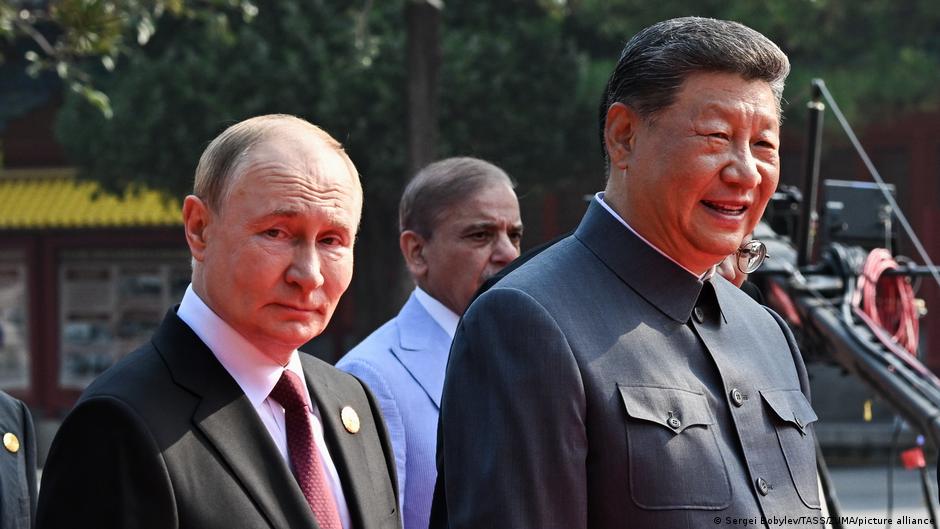
Russia’s trade dependence on China has deepened sharply since 2022: Russia shipped about $129 billion of goods to China in 2024, while China exported nearly $116 billion to Russia and supplied roughly 90% of Russia’s sanctioned technology imports in 2025. China has also bought more than €319 billion ($372 billion) of Russian fossil fuels since the war began, providing Moscow with hard currency despite Western sanctions. The article highlights growing yuan settlement, technology shortages, and potential pipeline expansion that could further tilt leverage toward Beijing.
The market implication is not just that Russia is more dependent on China; it is that China has become the marginal supplier of both Russia’s war-fighting capacity and its external financing channel. That creates a classic buyer’s-market dynamic: Beijing can squeeze pricing on commodities, demand more favorable settlement terms, and extract strategic concessions without needing to formalize an alliance. The second-order effect is that Russian exporters become structurally less price-elastic, which should keep discounts on Urals-style flows wide even if headline energy prices stabilize.
The bigger overhang is on sanctioned industrial supply chains. If China is providing the bulk of restricted machine tools, electronics, and dual-use inputs, then enforcement pressure is likely to migrate from Russia-facing sanctions to China-facing export controls and entity-level designations. That raises the odds of a rolling compliance premium across mainland and Hong Kong intermediaries, freight forwarders, and payment rails over the next 3-12 months. A thaw in US-China relations could slow that escalation, but it does not eliminate the strategic incentive for Washington to target the enabling layer rather than only the end user.
For energy markets, the near-term bullish impact on Russian export continuity is offset by a medium-term bearish signal for globally traded LNG and seaborne crude: if China prefers overland Russian molecules for resilience, it reduces its marginal exposure to spot LNG and some Middle East barrels in a blockade scenario. That is incrementally negative for Atlantic Basin LNG sellers and supportive of pipeline geopolitics over maritime trade. The contrarian point is that this dependence is asymmetric and therefore fragile: any Chinese willingness to reprice, delay pipelines, or tighten credit could quickly expose Moscow’s fiscal stress and force deeper discounts, especially if sanctions enforcement improves.
AI-powered research, real-time alerts, and portfolio analytics for institutional investors.
Request DemoOverall Sentiment
mildly negative
Sentiment Score
-0.15
