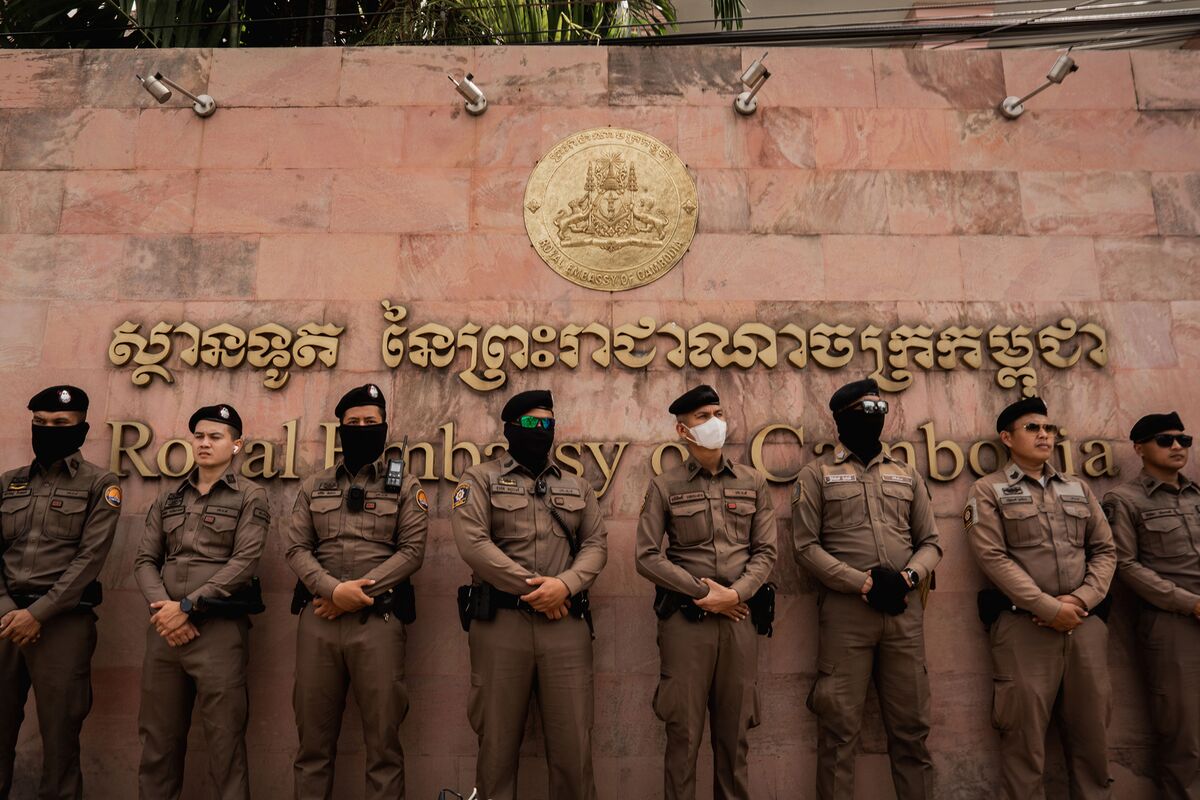
A long-standing border dispute between Thailand and Cambodia has escalated into the deadliest fighting in over a decade, with contested frontier zones experiencing a second day of heavy bombardment including rockets, artillery, and airstrikes. This renewed conflict, rooted in unresolved early 20th-century treaty issues, signifies a significant uptick in geopolitical risk in Southeast Asia.
A long-standing border dispute between Thailand and Cambodia has escalated into a significant military conflict, characterized as the deadliest in over a decade. The engagement, which has persisted for two days, involves heavy weaponry including rockets, artillery, and airstrikes, indicating a material increase in the intensity of hostilities. The conflict's roots in unresolved early 20th-century treaties suggest a deep-seated and potentially persistent source of regional instability. The situation registers an extremely negative sentiment score (-0.8) and a volatile tone, reflecting the severity and unpredictability of the clashes. This escalation introduces considerable geopolitical risk into the Southeast Asian region, with potential implications for regional trade, investment, and economic stability, even though no specific corporate entities are directly implicated in the initial reports.
AI-powered research, real-time alerts, and portfolio analytics for institutional investors.
Request DemoOverall Sentiment
extremely negative
Sentiment Score
-0.80
