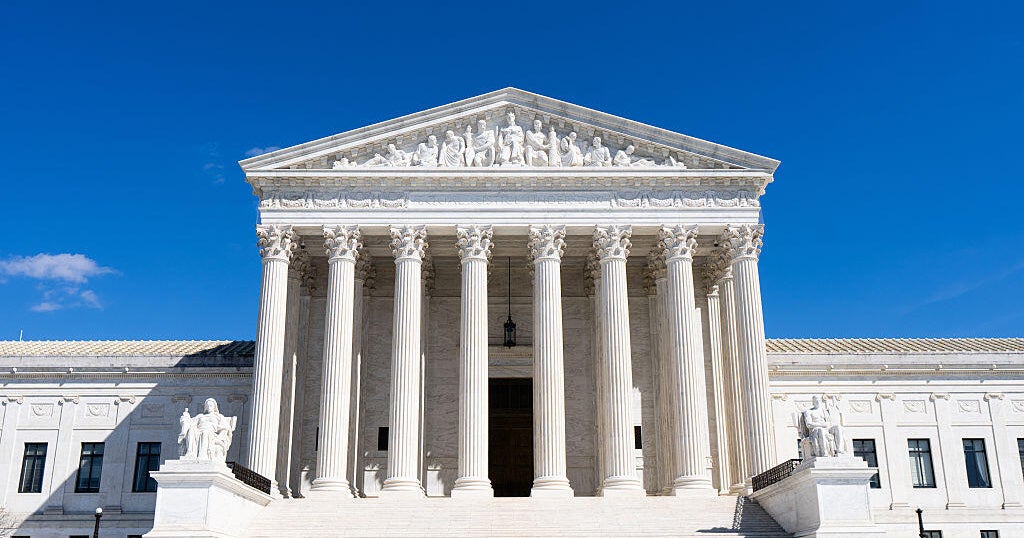
The Supreme Court unanimously ruled that Cox Communications cannot be held liable for subscribers' copyright infringement, reversing the 4th Circuit and undercutting a jury award that had reached $1 billion. Justice Thomas wrote ISPs are liable only if they intended their service to facilitate infringement and noted Cox took steps (warnings, suspensions, terminations) to discourage piracy. The decision materially reduces secondary-liability risk for broadband providers and is a sector-positive outcome for ISPs while prompting industry and policy debate about copyright enforcement.
This ruling removes a litigation overhang from ISPs and raises the effective cost of pursuing piracy through courts for rights-holders; expect credit spreads on cable/broadband operators to compress modestly (25–75bp) over the next 1–3 months as legal tail risk is repriced. The economic mechanism is simple: litigation is a binary, high-volatility tail on EBITDA and capital allocation for MSOs — removing that tail increases free cash flow certainty and reduces the hurdle for share buybacks or spectrum/capex deployment.
Labels and publishers lose a lever to monetize infringement via damages and will reallocate spend toward technical mitigation, lobbying, and platform-level deals; this should boost vendors that sell forensic watermarking and streaming DRM over 6–24 months, even if their near-term revenue bumps are modest (low-mid single digit percent for public vendors). The more important second-order effect is policy: expect intensified lobbying for statute changes or narrow legislative fixes within 12–36 months — a realistic reversal path is political, not judicial.
Market reaction will bifurcate: content stocks (Sony/Universal equivalents) face near-term headline risk and potential multiple compression as investors mark down litigation-dependent intangibles, while broadband infrastructure and select security/DRM vendors see multiple expansion. Key downside catalysts that could reverse the ISP-positive view are new fact patterns (services explicitly designed to facilitate infringement), state-level aiding-and-abetting suits, or a Congressional statute forcing contributory liability; those take months–years to crystallize, not days.
AI-powered research, real-time alerts, and portfolio analytics for institutional investors.
Request DemoOverall Sentiment
mildly positive
Sentiment Score
0.25
Ticker Sentiment
