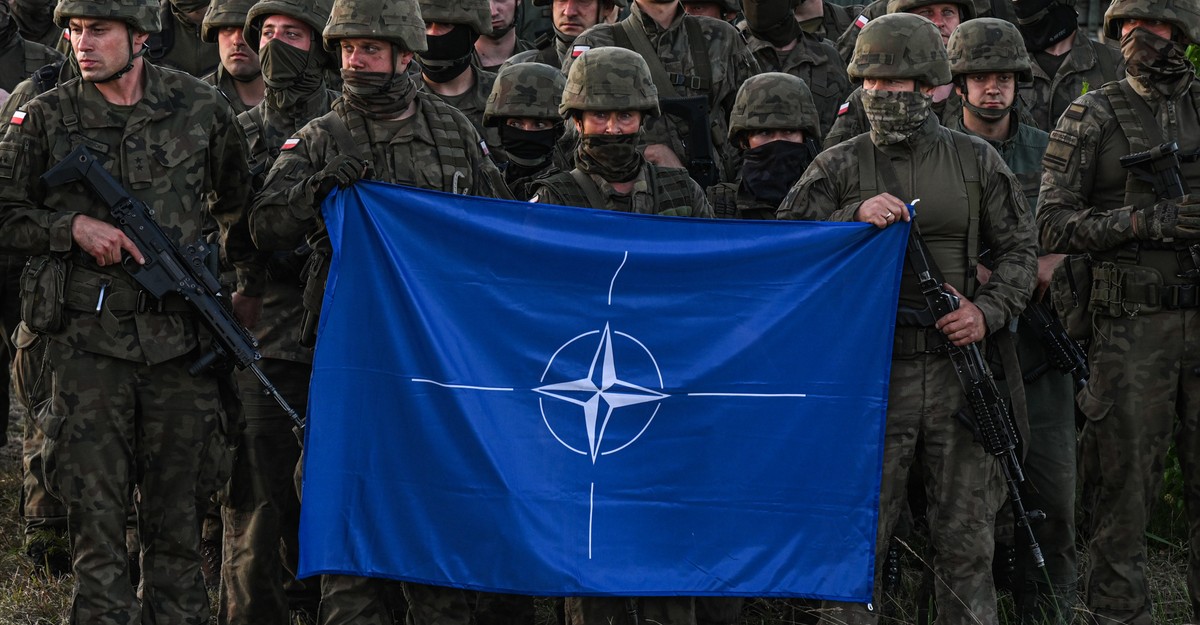
A recent Russian drone attack on Poland is presented as a critical test for NATO, directly challenging the United States' commitment to European defense, a stance previously questioned by former President Trump. This incident forces European allies to confront the reality of their security arrangements and potential increases in defense spending amidst a perceived shift in transatlantic support.
A reported Russian drone incursion into Poland is being framed as a pivotal stress test for the NATO alliance, directly challenging the United States' commitment to mutual defense under Article 5. This event crystallizes a long-standing geopolitical uncertainty, amplified by former President Trump's equivocal stance on U.S. security guarantees for Europe. The incident effectively forces an end to what the article terms an 'uneasy interregnum,' compelling European nations to confront the reality of a potentially less reliable U.S. security umbrella. Consequently, the situation implies a necessary and urgent re-evaluation of European defense postures and spending commitments, shifting the burden of regional security more heavily onto the European allies themselves. The strongly negative sentiment and high market impact score underscore the event's potential to significantly destabilize global markets by undermining the post-war security architecture.
AI-powered research, real-time alerts, and portfolio analytics for institutional investors.
Request DemoOverall Sentiment
strongly negative
Sentiment Score
-0.80
