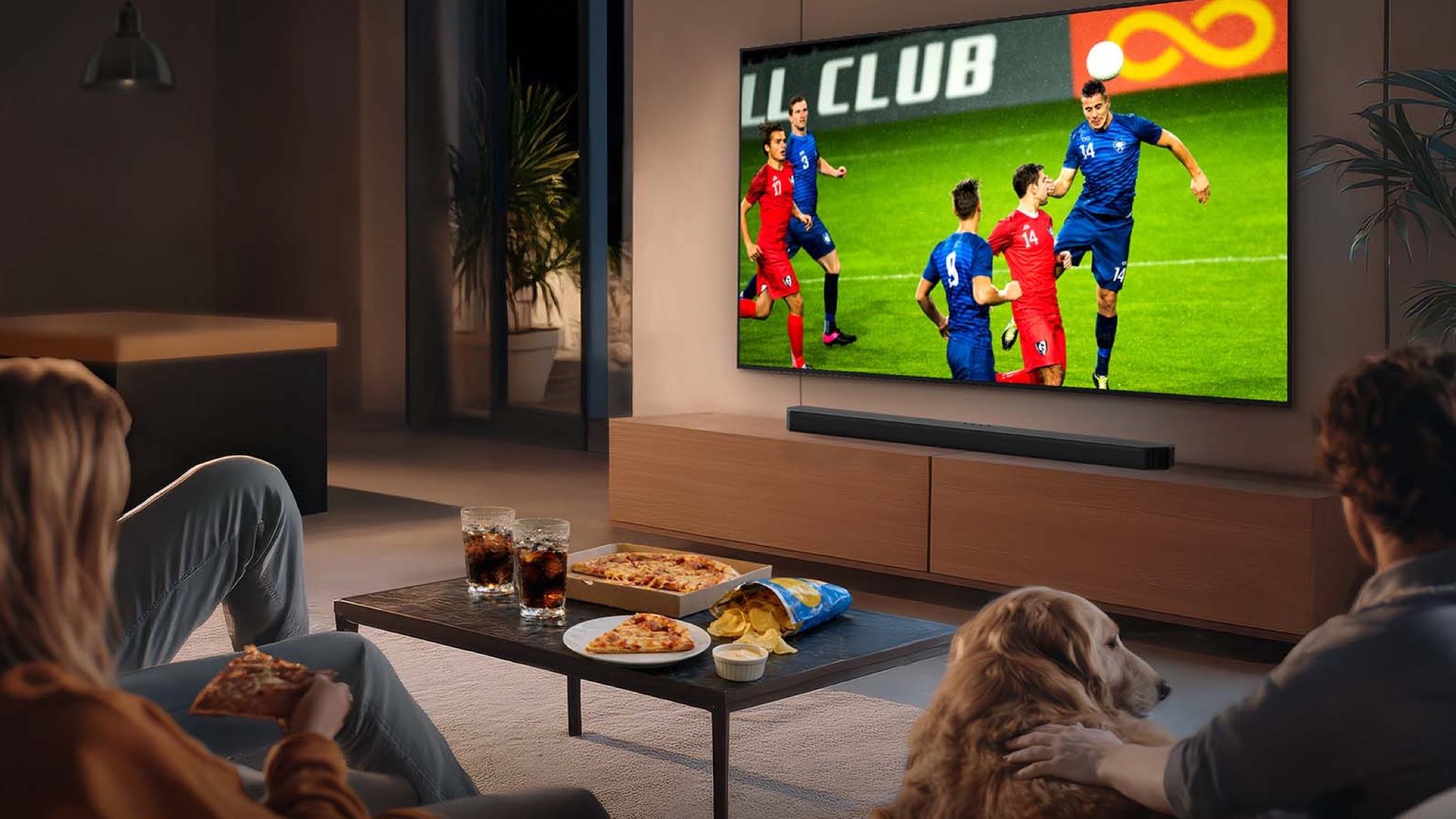
Samsung unveiled five 2026 Neo QLED and Mini-LED TV models (QN80H, QN70H, M90H, M80H, M70H) spanning 43"–100" with prices from $349.99 (43" M70H) to $5,499.99 (100" QN80H); pricing/availability for the 100" M90H is TBC. The lower-cost M70H/M80H Mini-LEDs omit quantum-dot (QLED) branding but include the NQ4 AI Gen2 processor, Motion Xcelerator 144Hz (DLG 240Hz for PC), expanded AI features and seven years of OS updates. The introduction of sub-$350 mini-LED TVs could modestly expand Samsung's addressable consumer segment and intensify price/feature competition in the TV market, but this is product-level news unlikely to move Samsung's stock materially in the near term.
Samsung pushing true “value” mini‑LED at scale is a structural move to convert latent demand from mid‑price LCD buyers into higher‑margin LED backlight volume, but it concurrently strips incremental premium demand from quantum‑dot suppliers and high‑end OLED incumbents. Expect upstream LED chip & module suppliers to see unit growth that can outpace ASP improvement for 2–4 quarters, compressing component OEM margins unless they re‑negotiate contracts or shift to higher‑value modules. Retailers and channel partners will capture more gross margin on attach (installation, warranties, soundbars) as the lower entry price increases traffic; this is a seasonal catalyst into Q4 that could make a measurable difference to US big‑box retail comps within 3–6 months. Over a 12–24 month horizon the bigger strategic risk is brand dilution: if edge‑lit mini‑LEDs underdeliver on perceived “mini‑LED” benefits, Samsung risks accelerating consumers’ shift to OLED for premium categories, flipping what looks like defensive volume expansion into a margin‑bleeding upgrade cycle for the company.
AI-powered research, real-time alerts, and portfolio analytics for institutional investors.
Overall Sentiment
mildly positive
Sentiment Score
0.22
