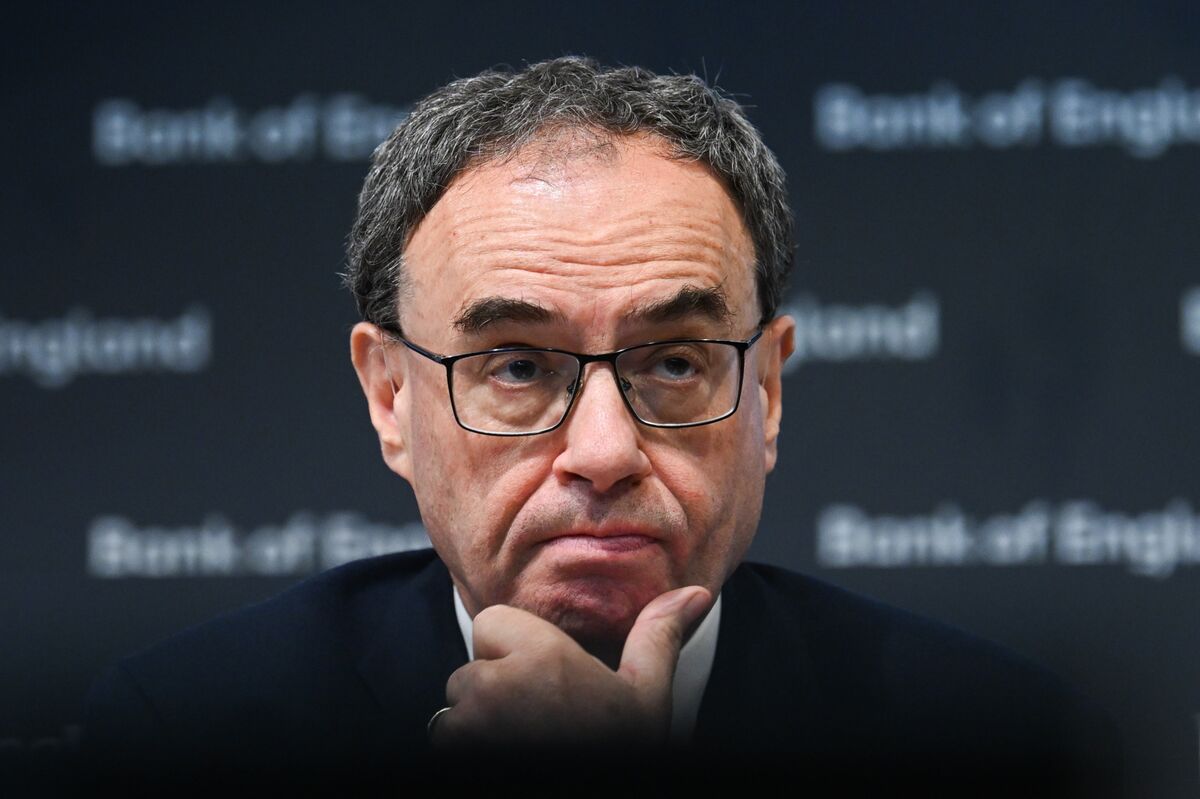
The Bank of England held its key interest rate at 4.25% in a dovish split decision, with six members of the Monetary Policy Committee voting to hold and three advocating for an immediate 25-basis-point cut, signaling a potential rate reduction in August. This divided vote reflects concerns over a softening labor market and weak economic growth amidst rising geopolitical tensions, influencing expectations for future monetary policy easing.
The Bank of England maintained its key interest rate at 4.25%, a decision marked by a more significant division among policymakers than anticipated. Six Monetary Policy Committee members voted to hold rates, while three members—Swati Dhingra, Alan Taylor, and Deputy Governor Dave Ramsden—advocated for an immediate 25-basis-point reduction. This dovish split, reflected in a general sentiment score of 0.1 (mixed) and a distinctly 'dovish' tone, signals a heightened possibility of a rate cut in August. The committee's cautious stance is informed by emerging signs of a softening UK labor market, weak economic growth, and the backdrop of increasing geopolitical tensions, themes central to the decision. The market impact score of 0.6 suggests a moderate but notable reaction to this evolving monetary policy outlook.
AI-powered research, real-time alerts, and portfolio analytics for institutional investors.
Request DemoOverall Sentiment
mixed
Sentiment Score
0.10
