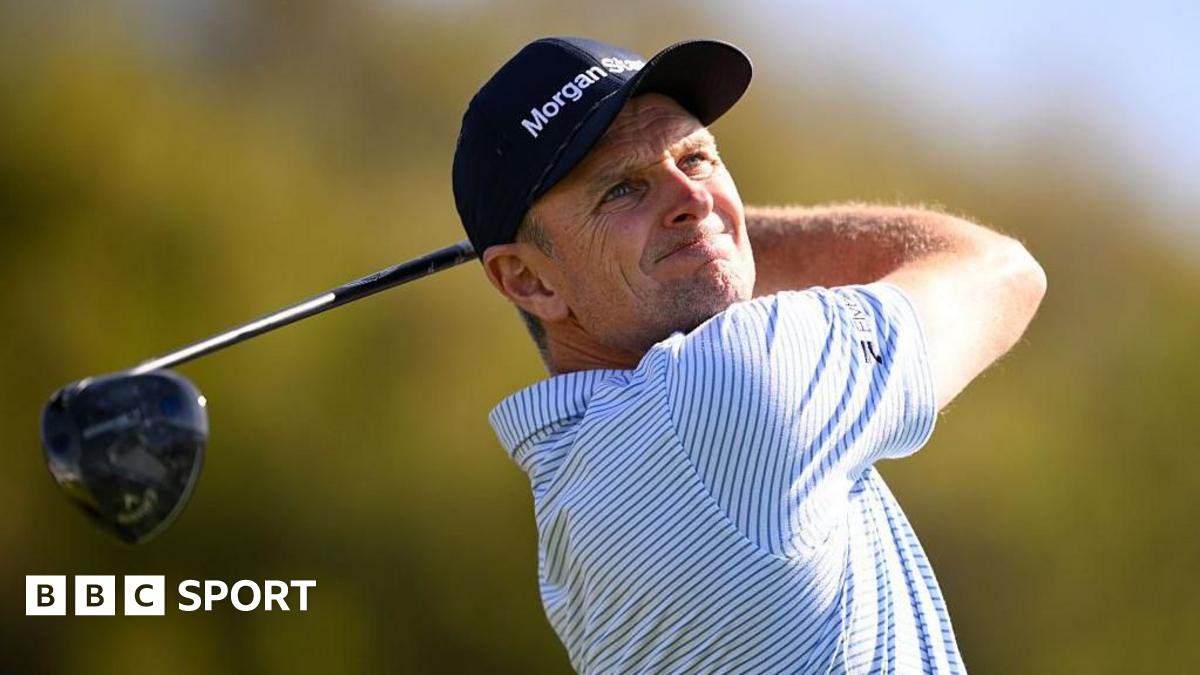
Justin Rose, who declined offers from the Saudi-backed LIV Golf series, secured his 13th PGA Tour title at the Farmers Insurance Open with a tournament-record 23-under, his third PGA Tour victory since 2022 and a climb to world No.3 after near-misses at majors (runner-up at the 2024 Open and a playoff loss at last year’s Masters). The piece underscores ongoing player movement and eligibility changes between PGA Tour and LIV—Brooks Koepka returned under a new reinstatement programme after a $5m charitable pledge and Patrick Reed has announced his exit from LIV with plans to play DP World and become eligible for PGA competition in August 2026—signalling continuing governance and commercial tensions that could affect tour economics and stakeholder negotiations.
Market structure: Justin Rose’s high-profile success and visible returns to the PGA Tour reinforce the PGA’s premium ‘quality-of-field’ product, favoring broadcasters (legacy TV rights holders), golf equipment/sponsorship owners, and sports-betting operators who monetize viewership. If ratings for marquee events rise 5–10% vs. LIV-era baselines, incremental ad + sponsorship revenue could be in the tens of millions per rights cycle, lifting margin power for incumbent media holders and equipment OEMs.
Risk assessment: Key tail risks are a) a renewed spending surge from LIV backers (PIF) that re-buys talent and fragments rights, b) regulatory/antitrust intervention around exclusivity deals, and c) a legal settlement that commoditizes player movement. Expect immediate market moves (days) around tournament results and betting handles, 1–6 month effects on sponsor renewals, and multi-year (2–5yr) structural impacts on rights valuations.
Trade implications: Direct plays favor large, cash-generative broadcasters and betting platforms and selective equipment makers; consider defensive sizing (1–2% positions) and event-timed option structures to capture volatility spikes during majors. Pair trades can express conviction: long incumbent media/betting vs short small sports-streaming or niche leisure names that lose scale economies. Entry should be staged: initial buys 0–8 weeks before next major, add if objective metrics (TV ratings up >5% or betting handle +10%) are met.
Contrarian angles: Consensus treats PGA’s win as terminal — it isn’t. LIV’s capital can still distort pricing and force higher player compensation, which could compress broadcasters’ margins and raise rights costs; that second-order effect is underpriced. Historical parallels (boxing, rival football leagues) show temporary fragmentation often ends in consolidation or regulatory settlement that redistributes economics — prepare for both outcomes and stress-test positions accordingly.
AI-powered research, real-time alerts, and portfolio analytics for institutional investors.
Request DemoOverall Sentiment
mildly positive
Sentiment Score
0.28
