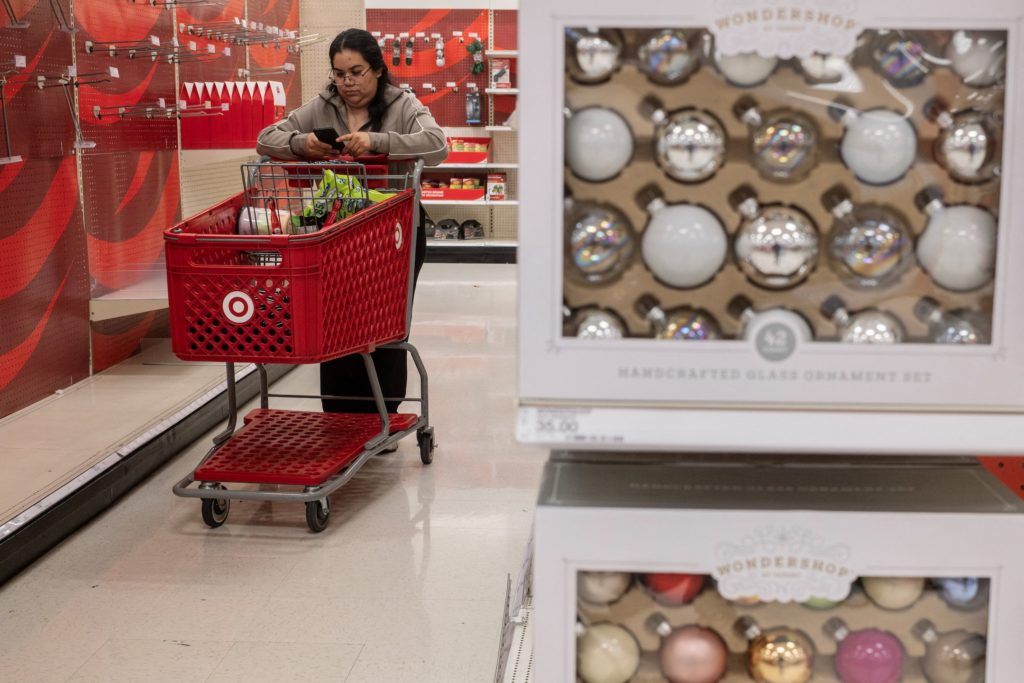
U.S. tariffs on Chinese-made holiday goods — which account for roughly 90% of Christmas decorations and artificial trees — would have raised consumer costs by about $28 billion last year (roughly $130 per shopper), according to LendingTree; retailers such as Christmas Central report across-the-board price increases and are trying to absorb costs and find operational savings. The company says demand is splitting: higher-end items remain resilient while middle-tier purchases are down and shoppers are trading down to lower-priced goods, and because smaller, family-owned retailers could not pre-stock like big-box chains they have reduced orders for non-Christmas holidays and face tighter inventory. The result is added margin pressure for retailers, fewer promotional opportunities, and a risk of muted seasonal spending that could weigh on retail revenues this cycle.
LendingTree's analysis and the retailer interview quantify the tariff-driven squeeze: roughly 90% of Christmas decorations and artificial trees are sourced from China, and tariffs would have raised consumer costs by about $28 billion last year (roughly $130 per shopper). Christmas Central reports across-the-board price increases and is implementing operational efficiencies while absorbing as much cost as possible, but cannot match big-box retailers' ability to pre-stock inventory prior to tariff implementation. Demand is bifurcating — higher-end items (the company cites rapid sales of large 14–15 foot trees) remain resilient while middle-tier products show a clear decline as consumers trade down to lower-priced items. Family-owned specialty retailers have reduced non-Christmas orders, which combined with tighter overall inventory and fewer anticipated promotions creates margin pressure and raises the risk of muted seasonal retail revenue; the provided signals echo a mildly negative sentiment and a modest market-impact score, indicating limited but tangible downside to retail peers exposed to China tariffs.
AI-powered research, real-time alerts, and portfolio analytics for institutional investors.
Request DemoOverall Sentiment
mildly negative
Sentiment Score
-0.35
Ticker Sentiment
