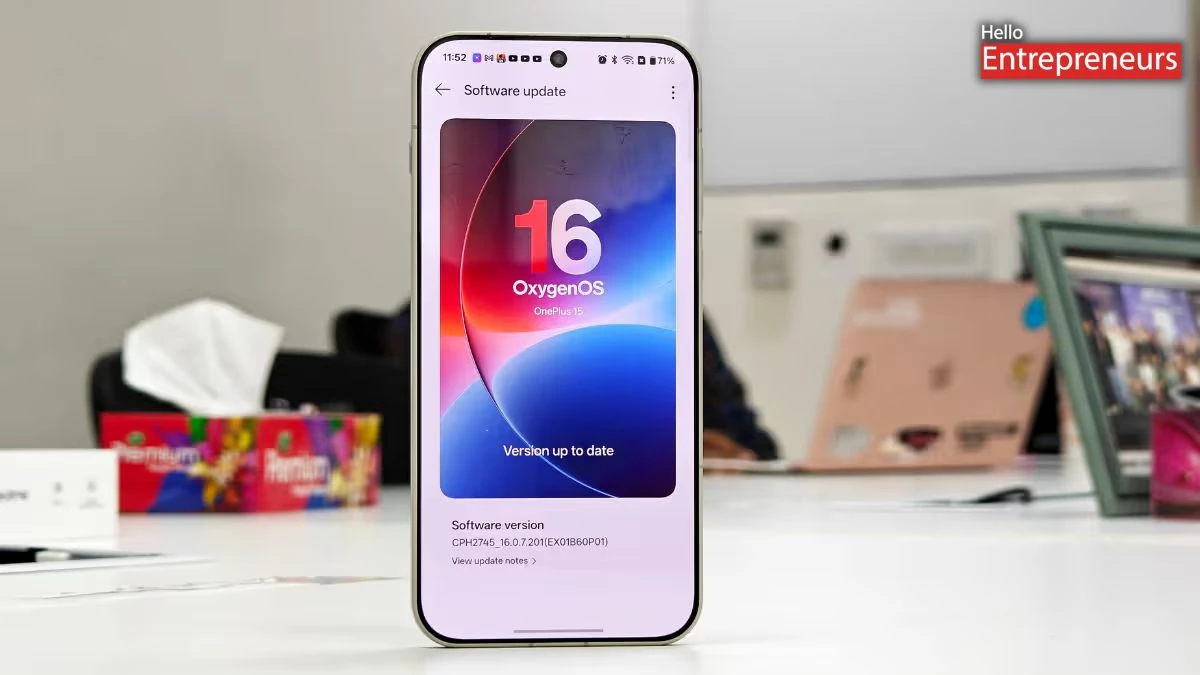
OnePlus has resumed its OxygenOS 16 rollout after resolving a boot-related issue affecting versions 16.0.7XXX and 16.0.5XXX. The company said no external user impact was confirmed and that already-updated devices can continue operating normally. The pause was precautionary, and OnePlus said it is reviewing testing and QA procedures to reduce future software stability risks.
This looks like a contained execution issue, not a demand or product-positioning problem. The key market implication is that the downside is mainly in trust and QA credibility: when a software vendor pauses rollout, the incremental cost is usually support load, delayed adoption, and a modest increase in churn risk at the margin rather than any near-term revenue hit. For a company like OnePlus, the more important second-order effect is whether this exposes a broader release-process weakness that could slow future upgrade cadence across the ecosystem.
The beneficiary set is subtle. If OnePlus users become more cautious about upgrading, Android platform stickiness shifts toward Samsung/Google-style “safer” release reputations, and premium-device competitors can use reliability as a marketing wedge in the next 1-2 hardware cycles. Any OEM relying on aggressive OTA update timing should be viewed as slightly more vulnerable to reputational contagion if similar incidents recur, especially because software reliability issues travel quickly through enthusiast communities and can impair launch momentum for several weeks even when the underlying defect is fixed.
The near-term risk is not operational failure but a recurring QA narrative: one more episode within the next 1-2 quarters would suggest process weakness rather than one-off variance, increasing the probability of delayed rollouts and incremental customer-support expense. Conversely, if follow-on updates are clean for 60-90 days, this should fade into a negligible headline with little fundamental impact. The contrarian take is that the market often over-penalizes consumer-device software hiccups; unless there is evidence of external user impact or widespread brick risk, the incident is more likely to be a process-management footnote than an earnings event.
AI-powered research, real-time alerts, and portfolio analytics for institutional investors.
Request DemoOverall Sentiment
neutral
Sentiment Score
0.05
