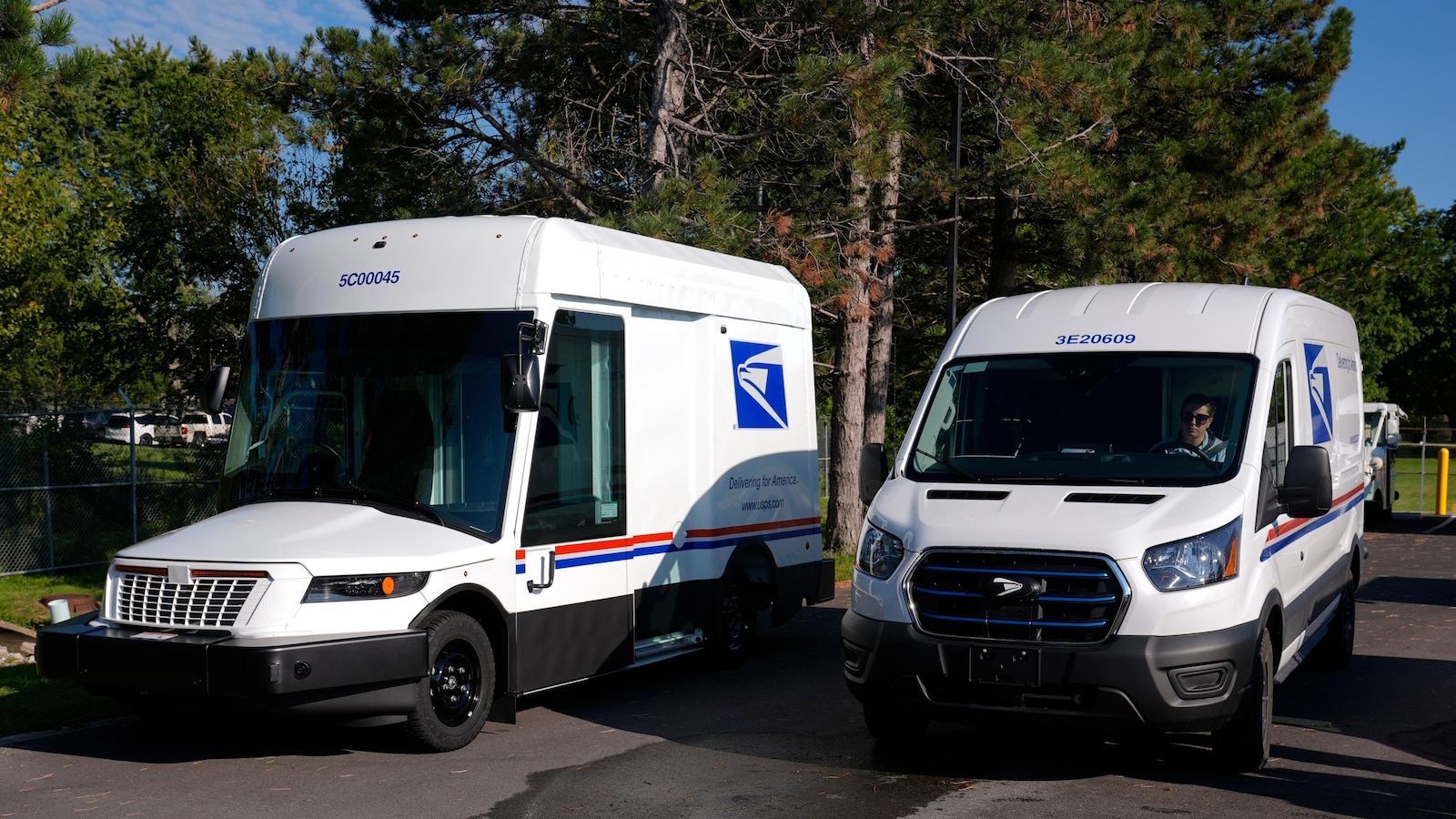
The U.S. Postal Service filed with the Postal Regulatory Commission seeking a temporary 8% surcharge on Priority Mail Express, Priority Mail, USPS Ground Advantage, and Parcel Select effective April 26 through Jan. 17, 2027 to cover rising transportation/fuel costs. USPS says the surcharge is intended to offset actual operating costs and notes competitors have larger fuel surcharges; First-Class stamps and other products would not be affected. Postmaster General David Steiner warned Congress the agency could run out of cash within a year unless lawmakers lift a borrowing cap and allow more financing or broader pricing authority.
This is a pricing shock that accelerates an ongoing reallocation of parcel economics rather than creating a new one. Shippers will re-optimize between carriers and marketplaces based on net delivered cost and reliability; a mid-single-digit share shift away from a low-margin provider into asset-heavy networks (FedEx/UPS/Amazon Logistics) can translate into a disproportionate margin uplift for those networks because they capture higher yield per incremental parcel and have fixed-cost leverage in place. Expect the largest immediate flow shifts among price-sensitive SMBs and intermittent high-volume sellers that can switch label vendors programmatically within one to three billing cycles.
Operational capacity is the main limiter on how much share legacy parcel carriers can capture quickly. Peak-season network constraints, unionized labor scheduling and aircraft/trailer utilization create a 2–6 month lag between demand signal and meaningful sustained market-share movement. Conversely, a rapid decline in fuel prices or a regulatory rollback could reverse routing changes within weeks if large shippers renegotiate contracts or marketplaces decide to re-subsidize checkout shipping.
Macro and political variables matter as much as unit economics: congressional or regulator intervention that restricts temporary price mechanics would keep volume sticky and blunt competitors’ upside. On the other hand, if this nudges large marketplaces to accelerate ownership of last-mile (more AMZN-style capex), the structural outcome is fewer parcels for public carriers over years, not months — favoring capitalized logistics platforms over incumbents where scale converts capex into durable cost advantage.
The practical read-through for portfolios is that the market can overprice near-term winners among legacy carriers while underweighting the long-term advantage of vertically integrated logistics platforms and regional consolidators that can flex capacity faster. Short-duration volatility will be policy-driven; secular returns will be driven by network ownership and the ability to internalize last-mile economics.
AI-powered research, real-time alerts, and portfolio analytics for institutional investors.
Request DemoOverall Sentiment
mildly negative
Sentiment Score
-0.25
