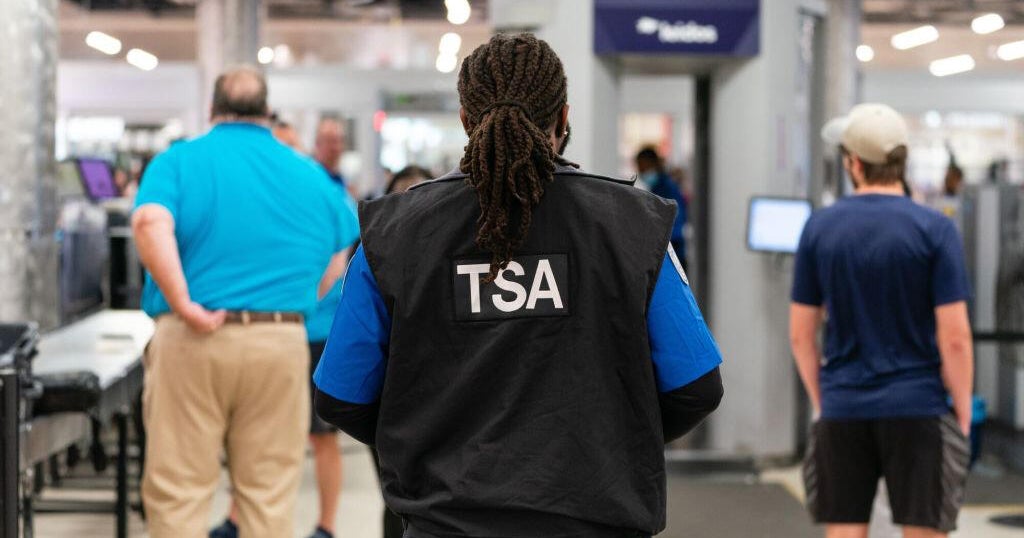
Elon Musk offered to pay roughly $250 million to cover TSA salaries during the DHS partial shutdown, but the White House declined, citing legal challenges related to Musk's federal contracts and an expectation the shutdown will end soon. Officials considered routing a donation through the 'Gifts to the U.S. Government' account, but outside parties are barred from paying government employees directly; TSA employees are about to miss their second full paycheck and agency staff have lost about $1 billion in income over this 40-day shutdown and a 43-day shutdown last fall.
High-profile private attempts to backstop federal payrolls create a novel vector of regulatory and reputational risk for corporations associated with that individual; even absent direct legal findings, the political optics raise the probability of contract scrutiny, bid protests and tighter oversight of future procurements. For public companies loosely tied to that figure, expect a 50–150bp increase in short-term political risk premium (higher borrowing and equity beta) until legal questions are resolved or the publicity cycle fades over 2–8 weeks.
Operational second-order effects fall squarely on the travel ecosystem: degraded checkpoint throughput materially raises ripple costs for carriers and airports. If screening capacity falls 5–10% at peak hubs, typical airline on-time performance can deteriorate enough to increase re-protection, delay-related compensation and cancellations — a 1–3% hit to peak-day RASM concentrated in high-frequency domestic routes over any multi-week disruption.
The most important catalyst is political/legal timing, not economics. A quick legislative fix or a legally engineered donation pathway would compress market pain within days; conversely, a protracted legal review or precedent-setting DOJ/OGE advisory opinion could extend elevated volatility and underperformance in travel names for months. Watch three triggers: (1) House/Senate procedural votes on DHS funding (days), (2) DOJ/OGE guidance on private-to-public payroll transfers (weeks–months), and (3) any probe into contract conflicts (months).
For portfolio construction, treat this as a short-duration event trade with asymmetric outcomes: downside if the shutdown lingers, but limited structural damage if resolved quickly. Given the calendar and election incentives, probabilities still favor a near-term resolution, so size exposure conservatively and prefer option structures that monetize short-term tail risk while protecting against a swift political fix.
AI-powered research, real-time alerts, and portfolio analytics for institutional investors.
Request DemoOverall Sentiment
neutral
Sentiment Score
0.00
