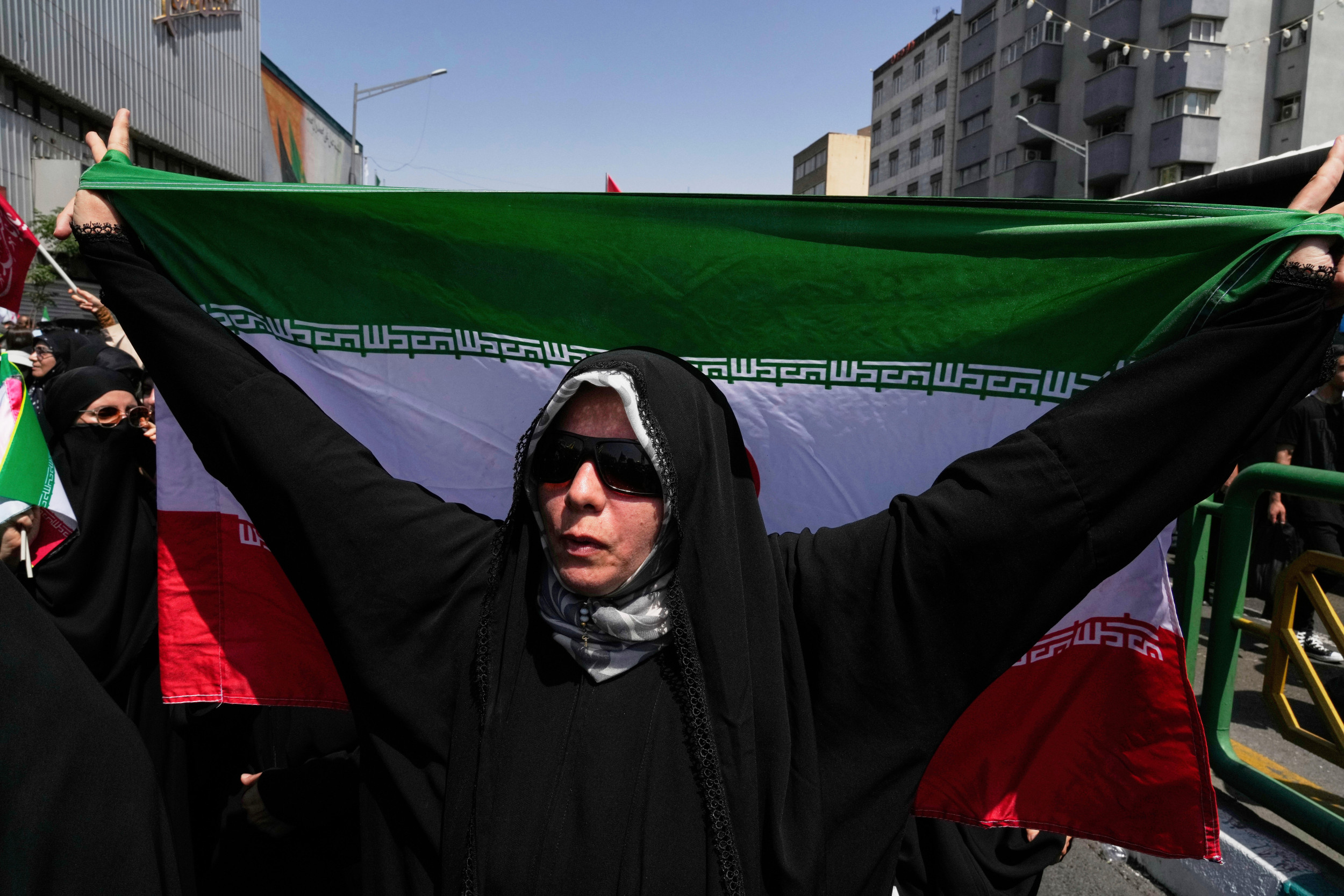
Amidst ongoing Israeli missile strikes in Iran, a sense of community and resilience is emerging as residents seek shelter and provide mutual aid, with some expressing defiance and a commitment to defend the country. Despite hopes that foreign pressure might trigger an uprising, the strikes appear to have unified many Iranians, even those critical of the current regime, in mutual support and defense of their nation. While protests against Israel have occurred, analysts suggest the attacks are fostering solidarity rather than rebellion, as Iranians prioritize mutual aid and support for fellow citizens.
The primary insight from this report is the apparent counter-intuitive effect of Israeli military strikes on Iranian civil society. Rather than catalyzing an anti-regime uprising, the external threat appears to be fostering a significant degree of national unity and grassroots solidarity. Reports from residents in Tehran describe a turn towards mutual aid and community support, with a sentiment of national defense prevailing even among those not aligned with the government. This observation is corroborated by analyst Arash Azizi, who notes that foreign attacks are unifying domestic dissident movements against external aggression, not the ruling establishment. While state-sponsored protests against Israel are also occurring, the more organic development is this rise in social cohesion forged through decades of sanctions and unrest. From a geopolitical risk perspective, this suggests that foreign military pressure, in its current form, is unlikely to achieve the objective of destabilizing the Iranian regime from within and may instead be strengthening nationalistic resolve.
AI-powered research, real-time alerts, and portfolio analytics for institutional investors.
Request DemoOverall Sentiment
mixed
Sentiment Score
0.00
