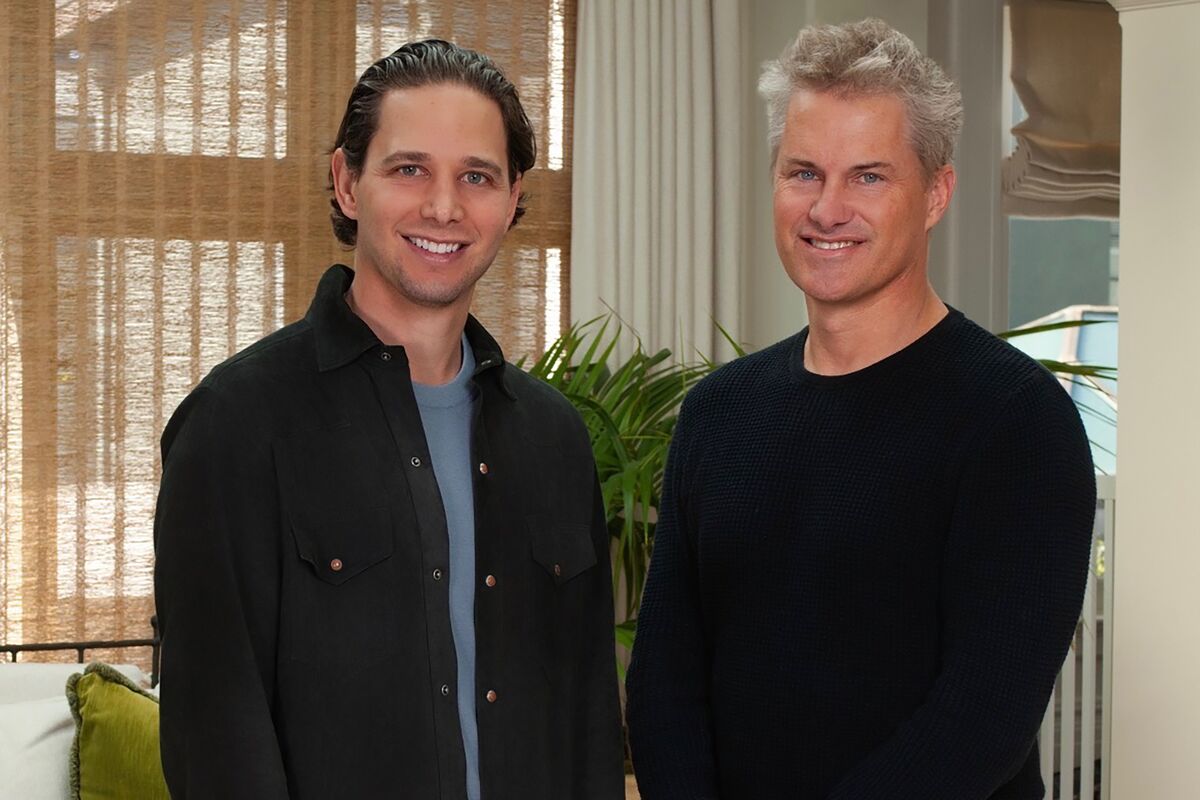
A-Star raised $450 million for its third fund, its largest to date, and plans to deploy it over nearly three years into 30 to 40 seed companies per fund with $3 million to $5 million checks. The firm is emphasizing selective early-stage investing rather than the multibillion-dollar, broad capital deployment strategy now common in AI-focused venture capital. The article highlights a growing split in venture strategy as AI startups such as OpenAI and Anthropic continue to attract larger rounds and stay private longer.
The strategic signal here is not about fund size; it’s about capital efficiency in a market where the median AI round is being distorted by a few massive incumbents. Smaller, selective funds should improve price discipline at the seed layer, which matters because the real bottleneck in AI is no longer idea creation but access to compute, distribution, and retention of technical talent. That tends to shift bargaining power toward founders with near-term revenue paths and away from “optionality-only” startups that relied on abundant follow-on capital.
Second-order, this should widen the gap between top-quartile early-stage managers and the rest. If smaller funds win by being more selective, then the losers are the mega-funds whose deployment needs force them to overpay for access and carry diluted ownership into later rounds. Over 12-24 months, that can compress expected returns in the venture ecosystem even if headline valuations remain elevated, because more capital will be chasing fewer true winners.
For public markets, the most relevant implication is not direct exposure to this fund, but continued private-market inflation in frontier AI names that delays IPOs and keeps the “best” assets out of reach. That supports the narrative premium for listed picks-and-shovels with measurable monetization—semis, infrastructure, and software beneficiaries—while making pure application-layer names more vulnerable if private funding tightens. The contrarian risk is that a smaller-fund renaissance is too little, too late: if compute costs keep rising, even disciplined seed investing may still funnel capital toward the same high-burn companies, preserving the winner-take-most dynamic rather than restoring healthy venture dispersion.
The clearest catalyst to watch is the next 2-3 quarters of late-stage AI pricing and down-round activity. If growth rounds start clearing at lower step-ups, that would validate the thesis that capital discipline is returning and could trigger a broader repricing of private AI marks. If instead mega-funds keep setting marginal prices, smaller funds may outperform on paper but still fail to change the market structure.
AI-powered research, real-time alerts, and portfolio analytics for institutional investors.
Request DemoOverall Sentiment
neutral
Sentiment Score
0.15
Ticker Sentiment
