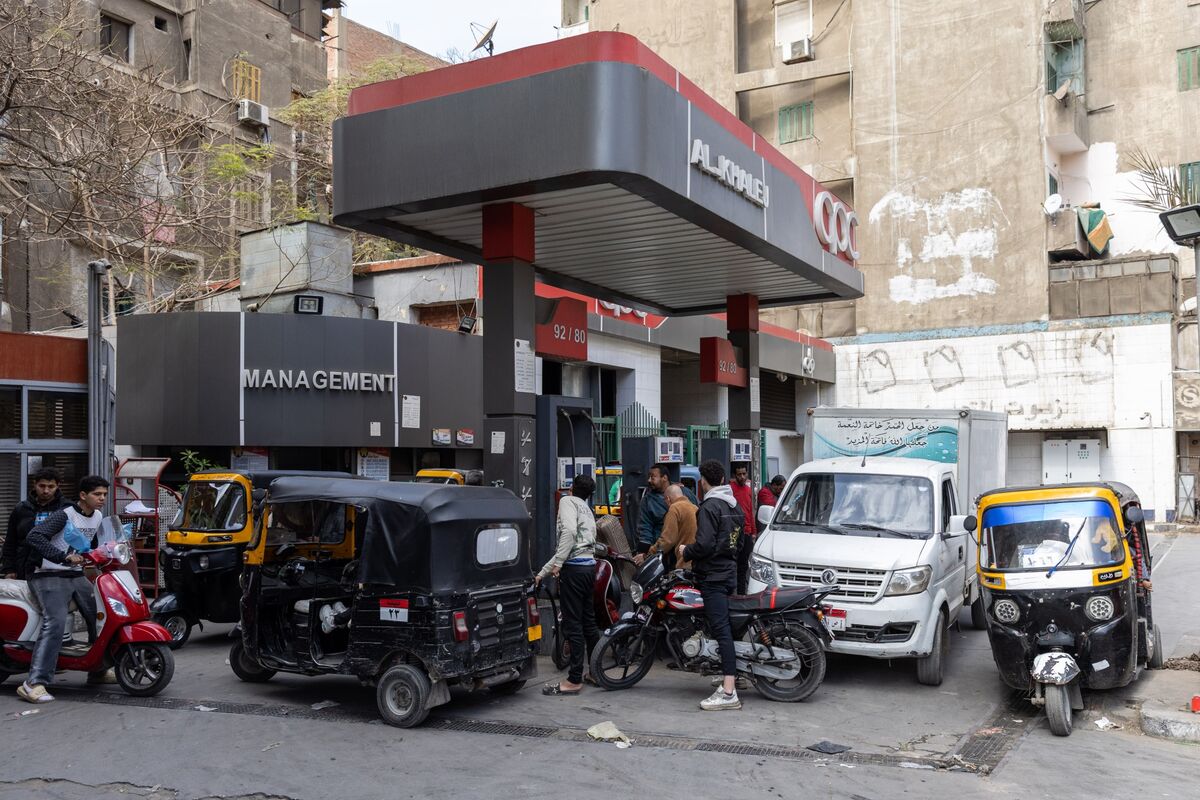
Fuel-supply shock linked to the Iran war is producing petrol and diesel shortages across African countries including Kenya, Ethiopia and Zambia. In South Africa, petrol prices would need to rise nearly 30% on April 1 and wholesale diesel more than 50% to recover an average under-recovery over the past month, according to the Central Energy Fund. The disruption risks near-term inflationary pressure and supply-chain stress in regional transport and logistics sectors.
Energy flows are being rerouted by differential regional bids and logistics frictions, producing localized product scarcity and widening regional crack spreads within weeks. Expect freight and storage premia to increase first (adding an incremental $2–6/bbl to delivered fuel costs depending on distance and vessel class) and for working-capital strains on importers to show up quickly in FX reserves and Treasury cashflow.
The next-order economic effects concentrate in diesel-exposed sectors: mining, heavy transport and agriculture face margin compression and potential activity cuts, which historically shave 0.3–0.8 percentage points off quarterly GDP growth in small open economies if tightness persists beyond one quarter. CPI passthrough will lag but be meaningful — a sustained premium to product prices for 3–6 months typically adds 50–80bps to headline inflation in import-dependent EMs.
Winners are traders, storage owners and refiners with export flexibility who can arbitrage regional cracks; they can capture $5–15/bbl incremental gross margin depending on configuration and logistics. Losers are import-dependent sovereigns and corporates facing FX pressure, coupled with transport operators that cannot pass costs through; second-order credit stress in local banks is a realistic 3–6 month tail risk if subsidy burdens or reserve drains accelerate.
Key catalysts: a near-term escalation in hostilities or shipping disruptions would widen spreads sharply in days; coordinated SPR/release or rapid demand slowdown (China/Euro recession) can normalize markets over 30–90 days. Monitor freight rates, regional stock levels and central bank FX interventions as 0–90 day reversal triggers.
AI-powered research, real-time alerts, and portfolio analytics for institutional investors.
Overall Sentiment
moderately negative
Sentiment Score
-0.45
